Choosing the Right Materials for Covered Patios in Houston

Thinking about adding a covered patio to your Houston home, but not sure which materials will hold up best in our hot and humid climate? The right material choice is essential to creating a structure that is durable, attractive, and suited to Houston’s weather conditions. From traditional wood to modern composites, each option offers its own strengths, costs, and maintenance needs.
At GM Outdoor Living, Pool & Spa, we have helped countless Houston homeowners design and build covered patios that provide comfort and style year-round. In this guide, we’ll explore the most common covered patio materials, weigh their pros and cons, and help you make an informed decision that fits both your budget and your lifestyle.
Why Material Choice Matters for Covered Patios in Houston
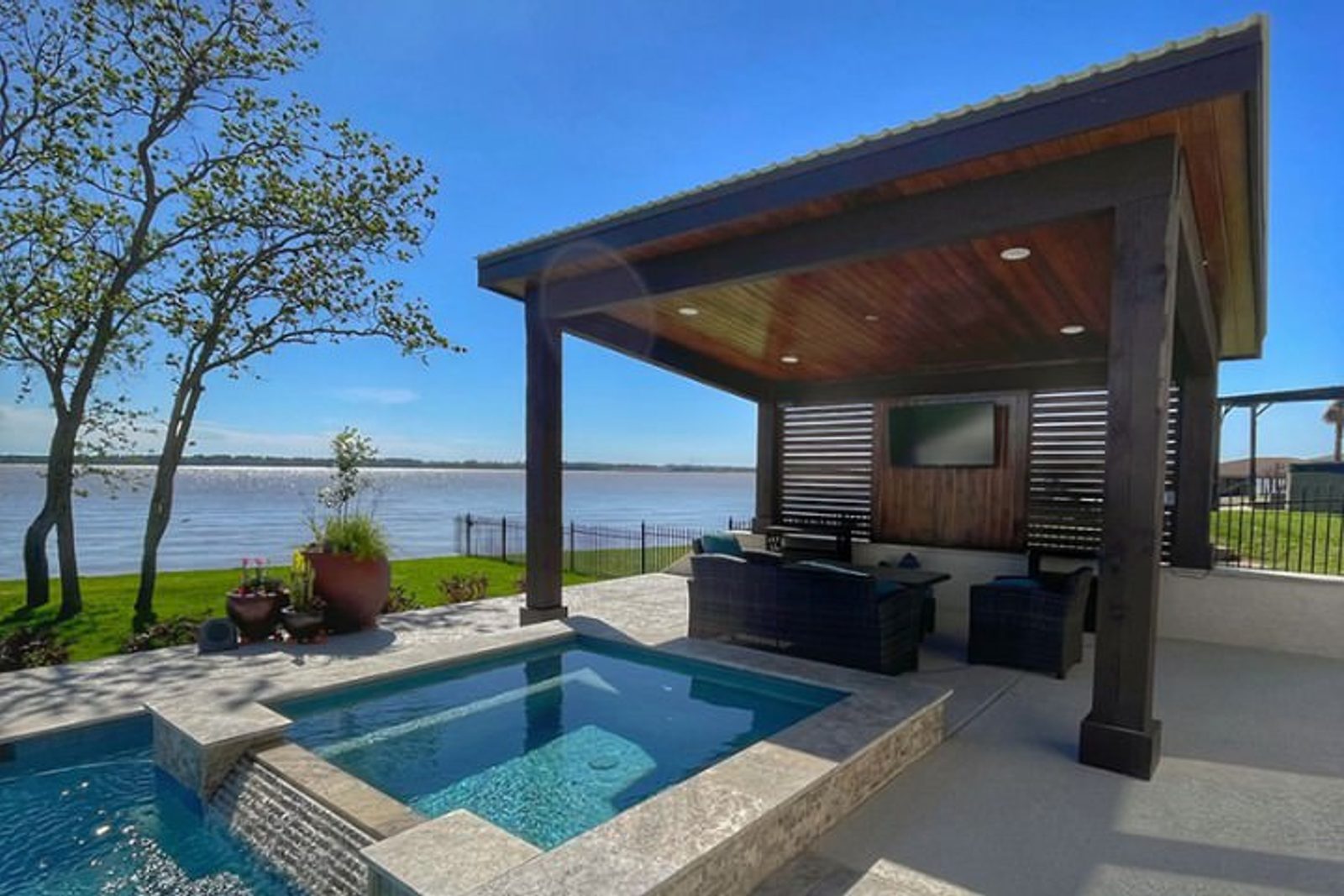
Houston’s weather presents unique challenges for outdoor living spaces. High humidity, frequent rain, scorching summers, and the occasional storm can all impact the longevity of your patio. A poorly chosen material may look beautiful at first, but it could warp, rust, or fade much sooner than you expect.
When selecting materials for a covered patio in Houston, homeowners need to consider:
- Durability in heat and moisture
- Resistance to pests and mold
- Maintenance requirements
- Cost and long-term value
- Overall aesthetics and compatibility with the home
Wood
Pros:
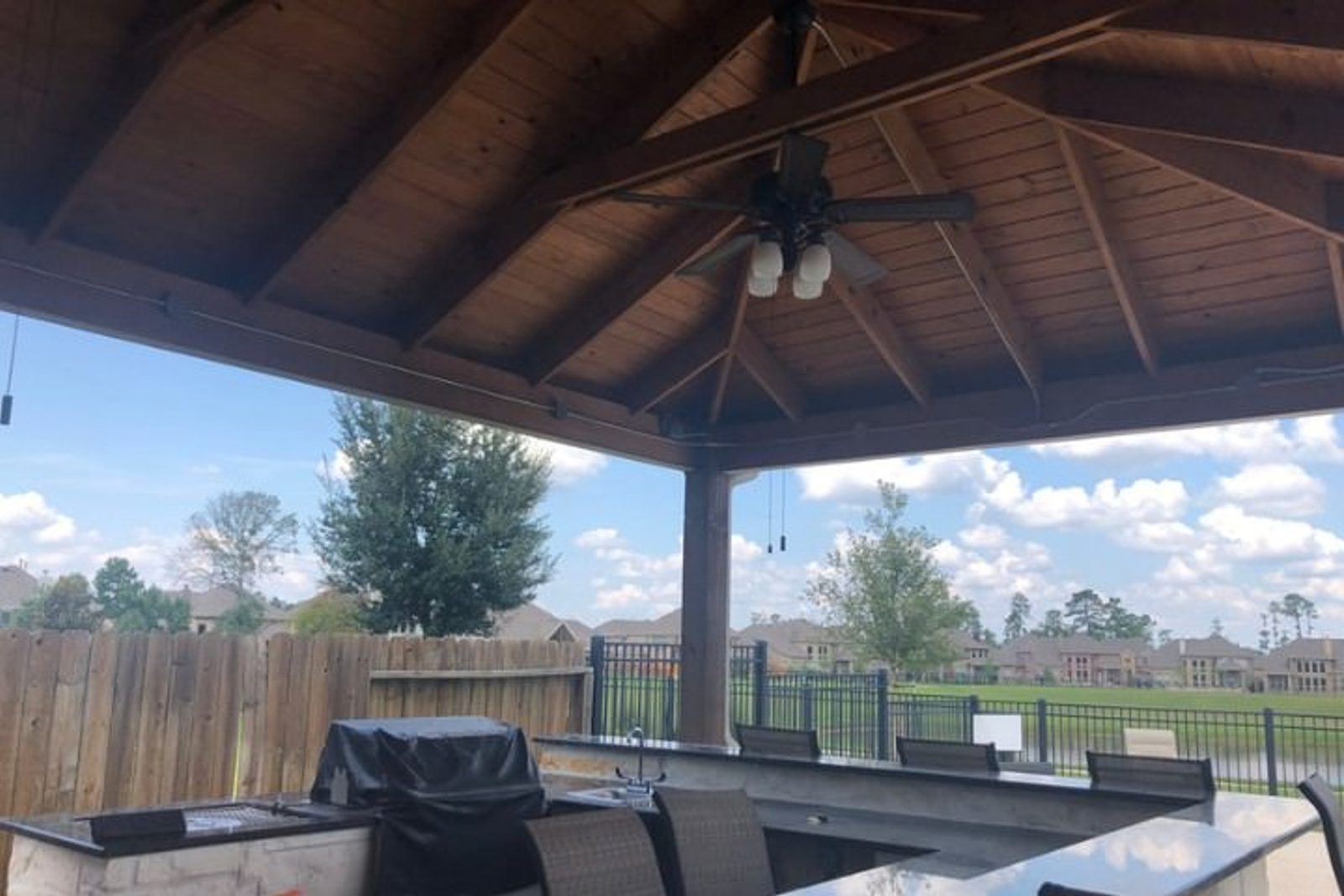
Wood remains one of the most popular materials for covered patios thanks to its natural beauty and timeless appeal. Cedar, redwood, and pressure-treated pine are commonly used, offering a warm and traditional look that blends easily with most home styles.
Cons:
In Houston’s humid climate, wood requires consistent maintenance. Without sealing and staining, it can warp, rot, or become infested with termites. Annual or biannual upkeep is essential to maintain both structural integrity and visual appeal.
Best For: Homeowners who value classic design and are willing to invest in maintenance to preserve its beauty.
Aluminum
Pros:
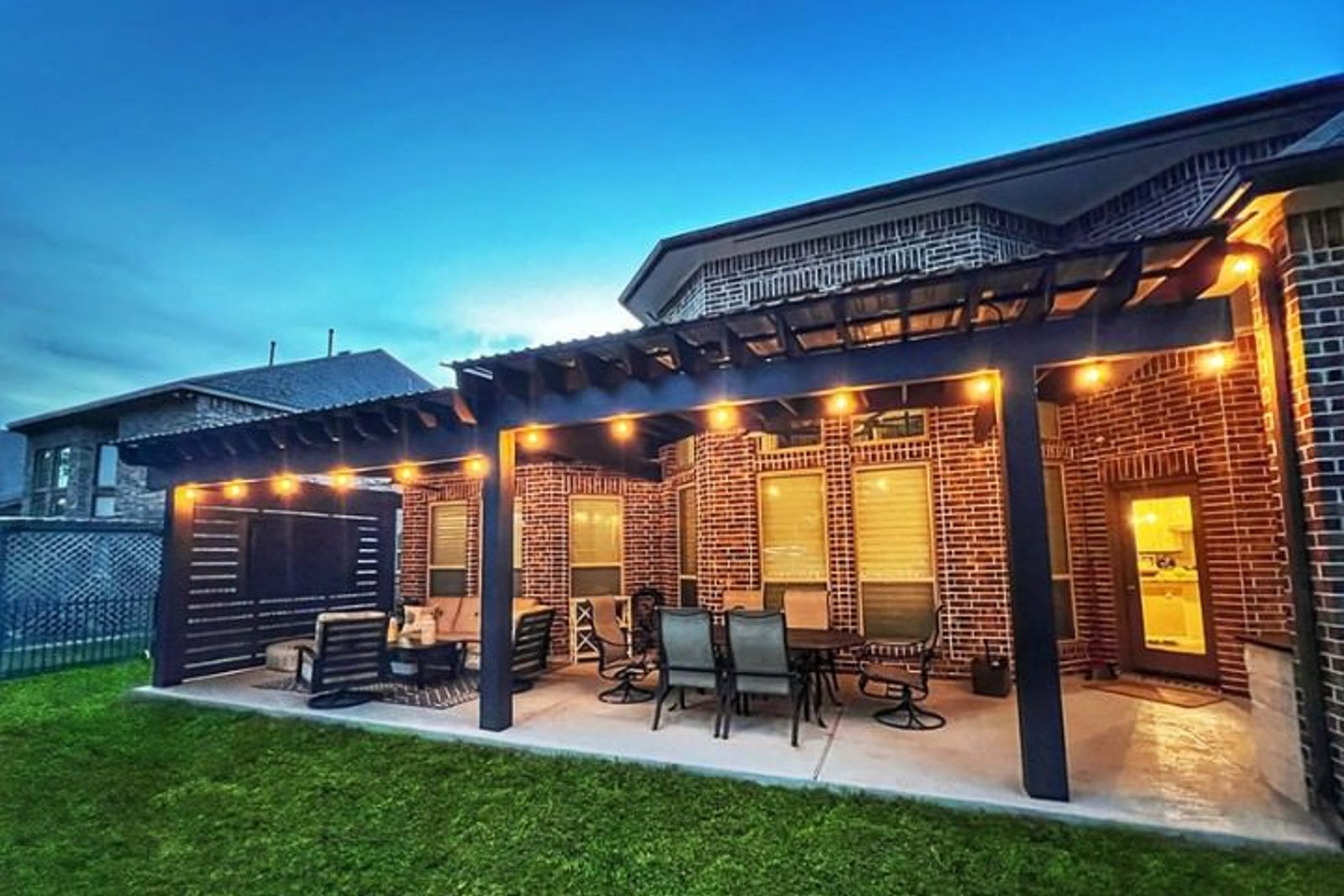
Aluminum patio covers are lightweight, rust-resistant, and relatively low-maintenance. They are available in a variety of finishes and can mimic the look of painted wood without the ongoing upkeep.
Cons:
Aluminum can dent more easily than steel and may not offer the same premium aesthetic as natural wood or stone. During Houston’s hottest days, it may also conduct heat, making shade less comfortable without added insulation.
Best For: Homeowners who want a low-maintenance solution with a sleek, modern look.
Steel
Pros:
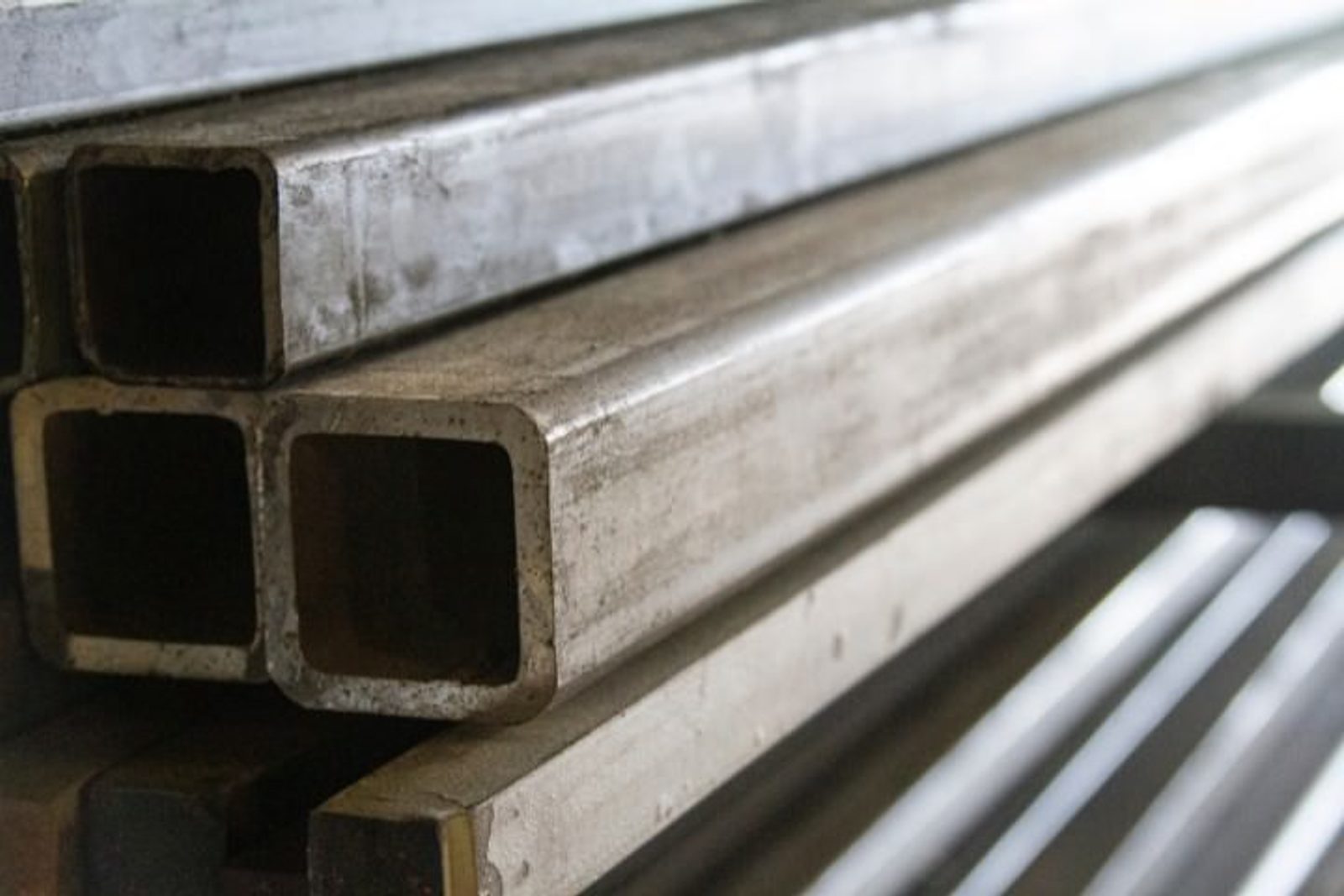
Steel offers unmatched strength and durability. With the right coatings, it can resist rust and last for decades, even in humid conditions. It’s especially appealing for large spans or modern designs requiring slim, strong supports.
Cons:
Steel is more expensive than aluminum and requires professional installation to prevent corrosion. It may also be prone to heat retention during hot summer days unless designed with insulation.
Best For: Homeowners seeking a robust, long-lasting structure with a contemporary industrial edge.
Vinyl
Pros:
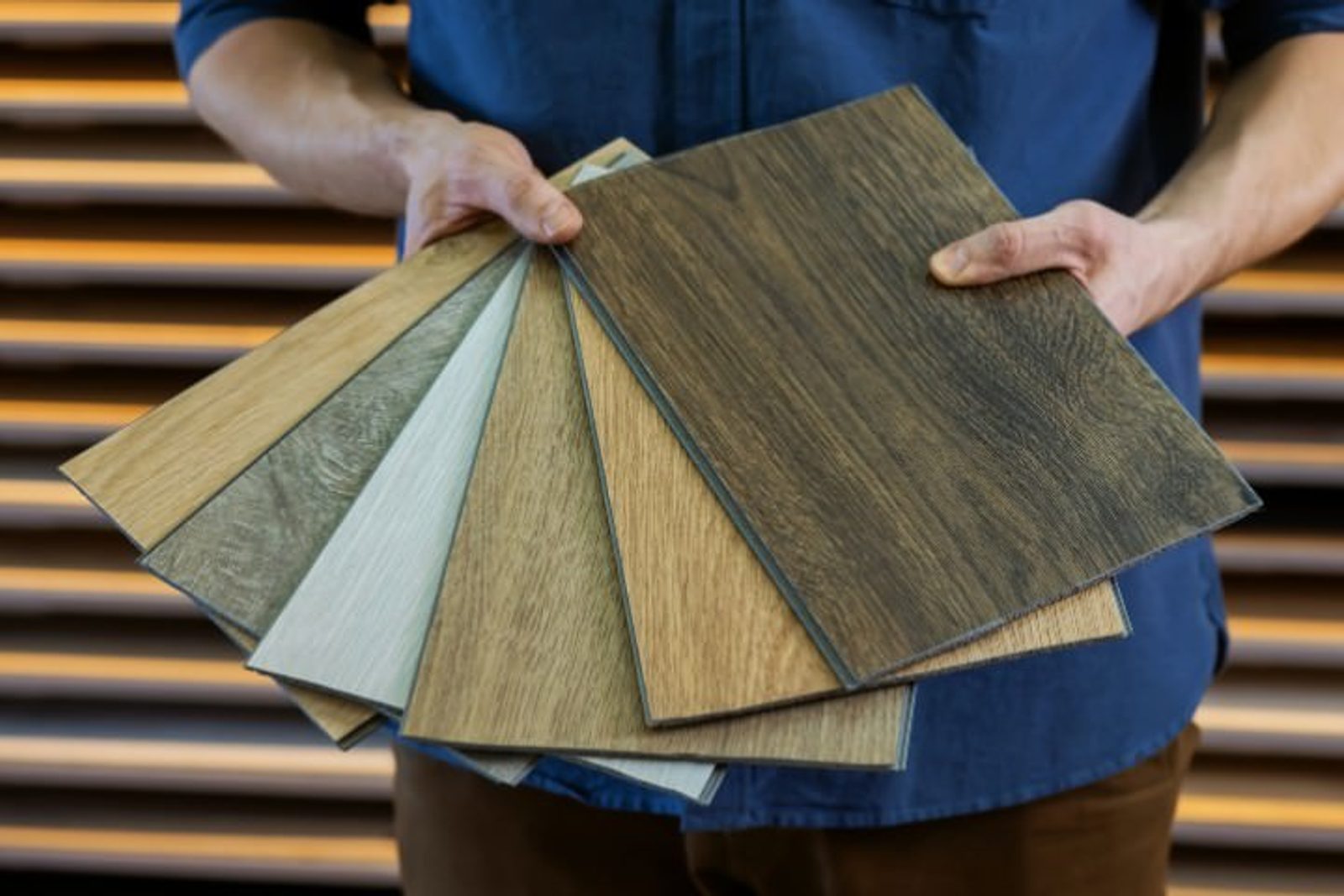
Vinyl patio covers are affordable, lightweight, and require very little upkeep. They don’t rot, peel, or rust, and they can withstand Houston’s rain without much issue. Vinyl is also available in several colors and finishes, making it easy to match your home.
Cons:
While low-maintenance, vinyl lacks the upscale look of wood or metal. It is also less resistant to strong impacts and may fade over time with constant UV exposure.
Best For: Homeowners who want an easy-care, budget-friendly patio cover.
Polycarbonate Panels
Pros:
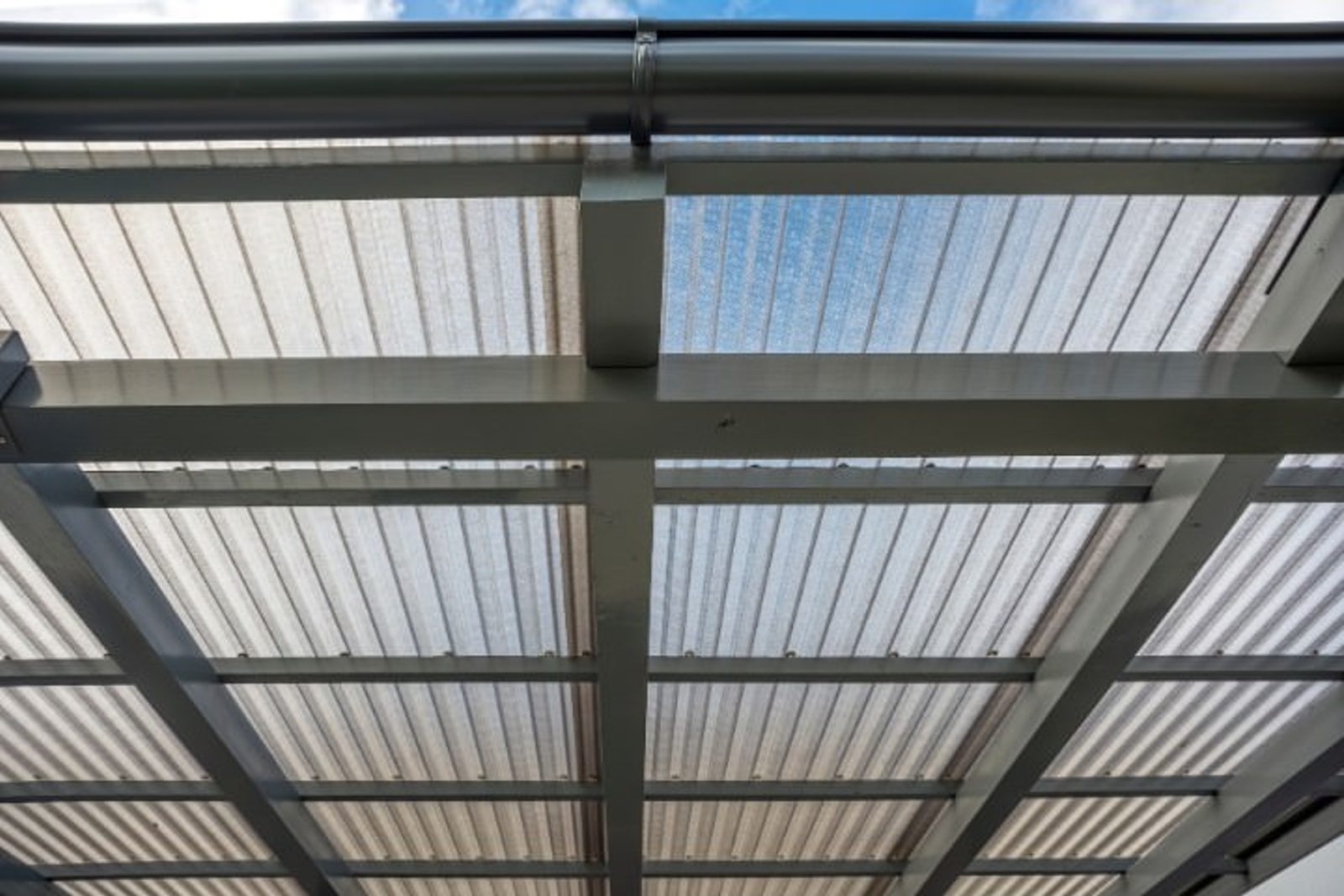
Polycarbonate is a transparent or translucent material often used for roofing. It provides shade while still allowing natural light to filter through, making patios bright but comfortable. It is lightweight, shatter-resistant, and UV-resistant.
Cons:
Polycarbonate panels may scratch over time, and cheaper versions can discolor in Houston’s sun. Proper framing is essential to ensure long-term durability.
Best For: Homeowners who want natural light with shade, especially for gardens or modern-style patios.
Fabric Covers
Pros:
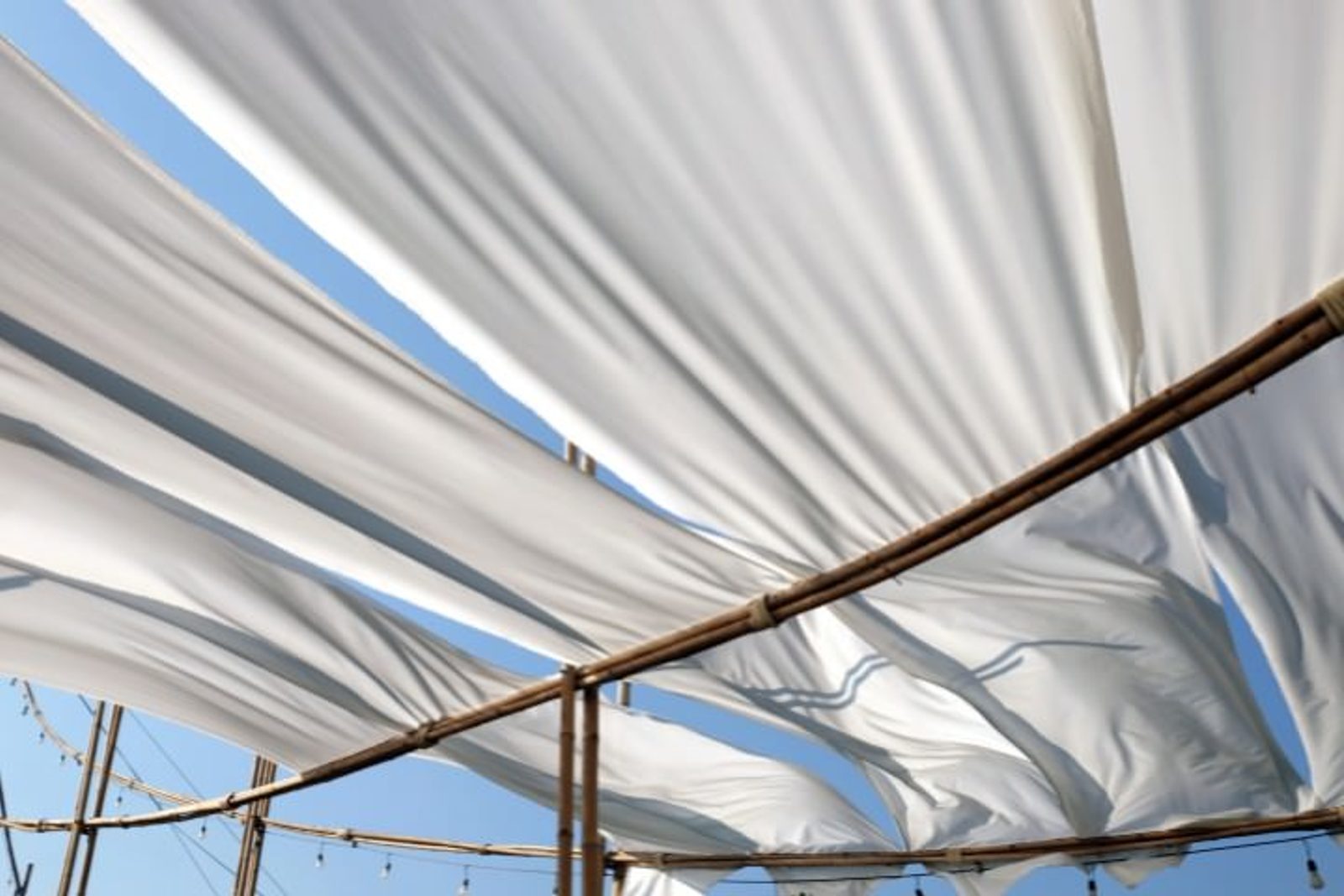
Fabric options like canvas or shade sails are flexible, affordable, and stylish. They are available in countless colors and can be customized for unique designs. Installation is quick, and replacement is simple if the fabric becomes worn.
Cons:
Fabric covers are less durable than solid structures. They may sag, fade, or tear in Houston storms and require periodic replacement.
Best For: Budget-conscious homeowners or those wanting a temporary or seasonal shade solution.
Composite Materials
Pros:
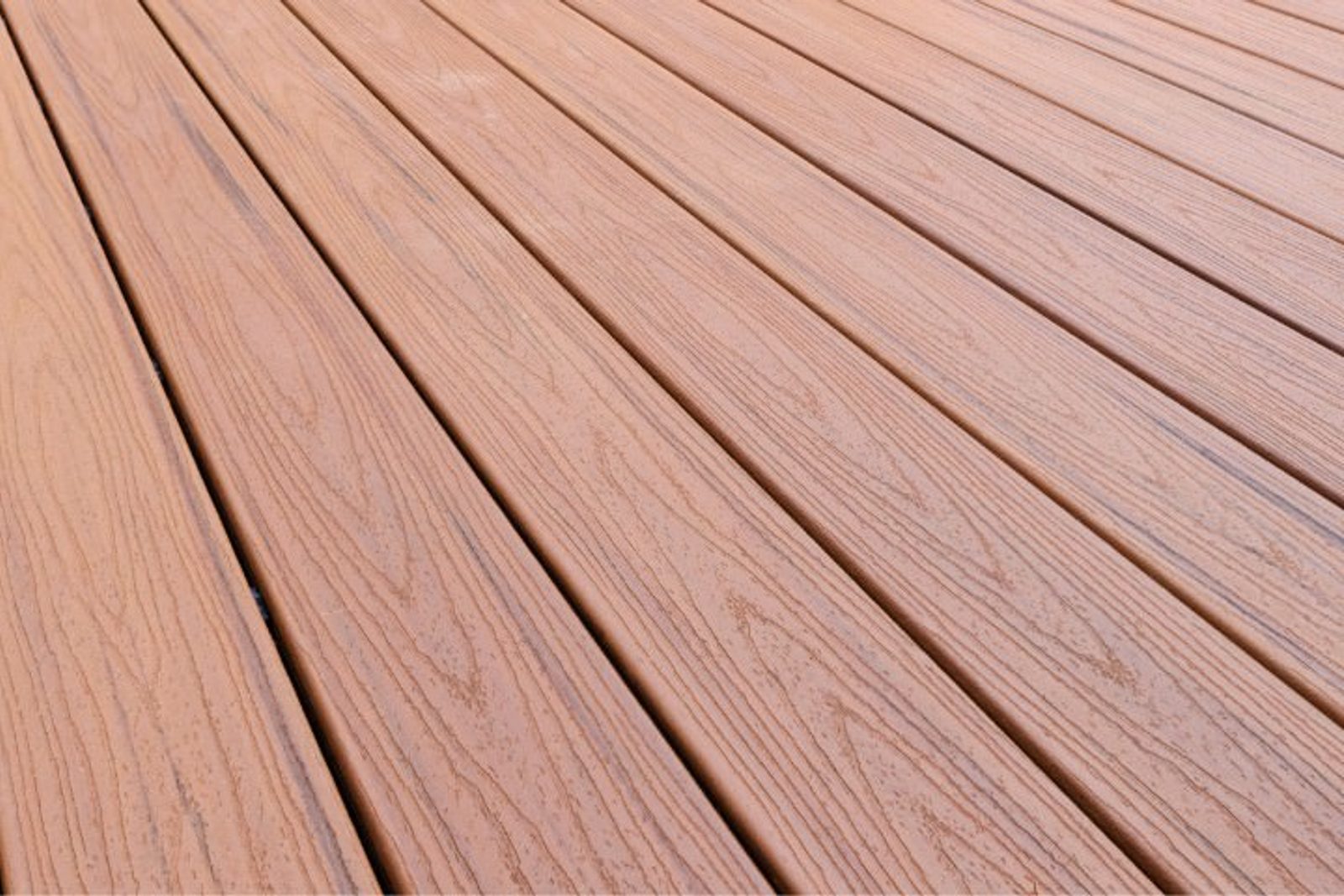
Composite materials combine wood fibers with synthetic resins for durability and low maintenance. They are designed to resist moisture, warping, and fading, making them ideal for Houston’s humid conditions.
Cons:
Composite materials can be more expensive than vinyl or aluminum, and not all brands are created equal. Some may still fade over long periods under direct sunlight.
Best For: Homeowners who want the beauty of wood without the heavy maintenance commitment.
Glass
Pros:
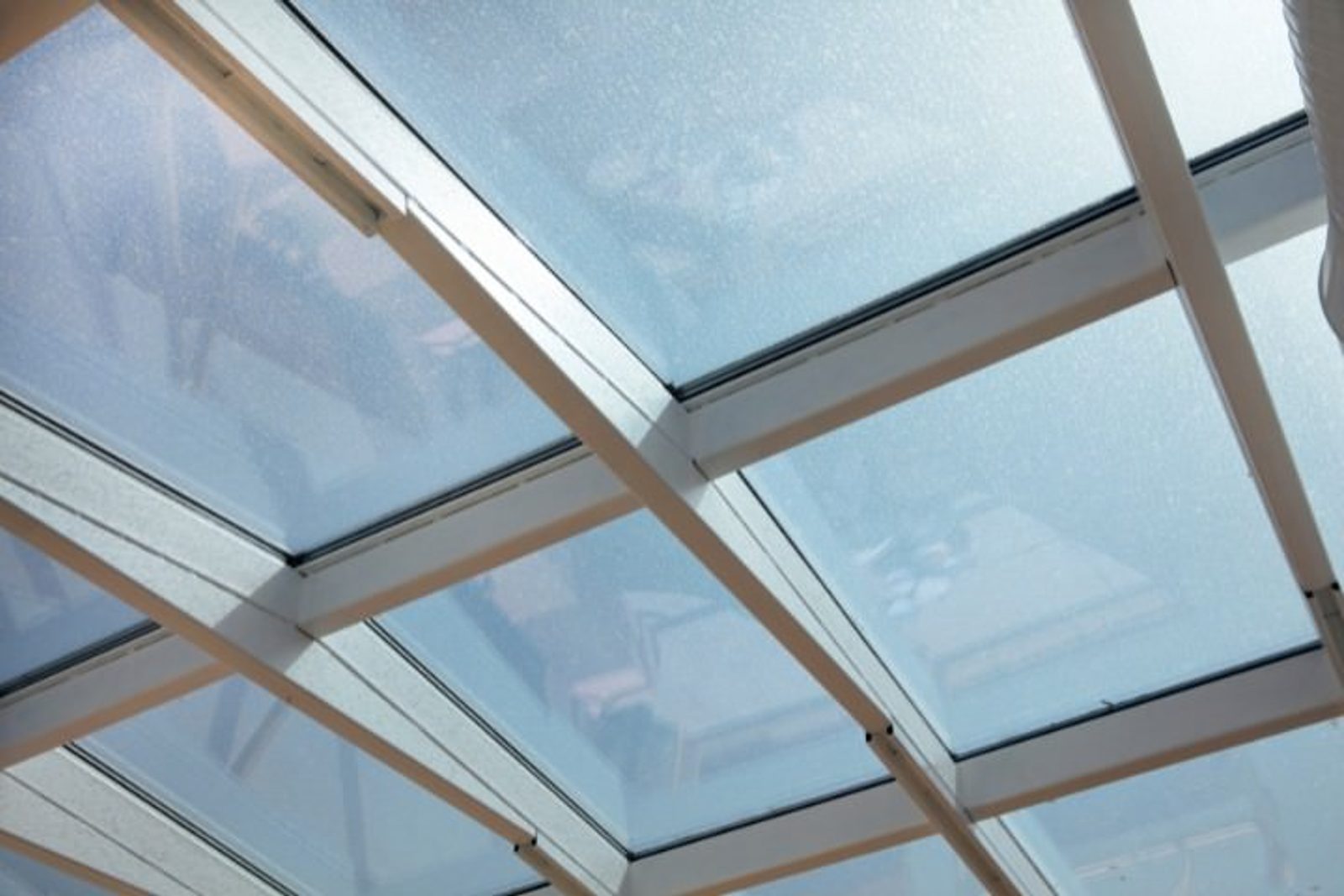
Glass patio covers offer a high-end, elegant look while allowing maximum light. With modern tempered or laminated options, they are strong and safe, creating a luxurious outdoor feel.
Cons:
Glass can be costly to install and requires regular cleaning to look its best. In Houston’s intense sun, glass may also increase heat buildup unless paired with UV coatings.
Best For: Luxury-focused homeowners seeking a sophisticated, upscale design.
Maintenance Requirements at a Glance
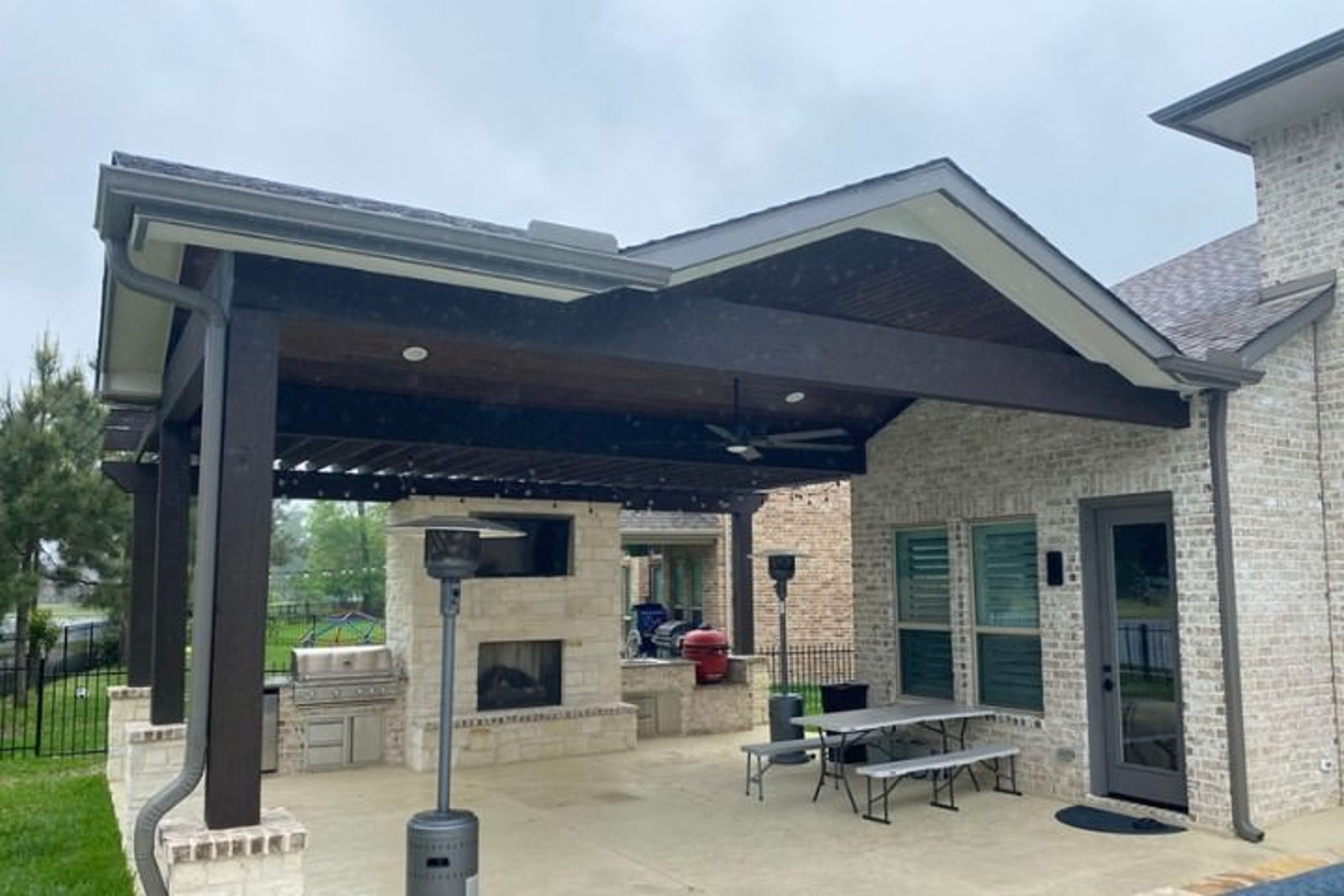
- Wood: Seal or stain every 1 to 2 years
- Aluminum: Minimal upkeep, occasional cleaning
- Steel: Periodic checks for rust, repaint or reseal as needed
- Vinyl: Hose off dirt, minimal effort
- Polycarbonate: Gentle cleaning, avoid abrasive tools
- Fabric: Replace every 5 to 10 years, depending on quality
- Composite: Hose down or wash as needed
- Glass: Regular cleaning to prevent streaks and dirt buildup
Long-Term Value Considerations
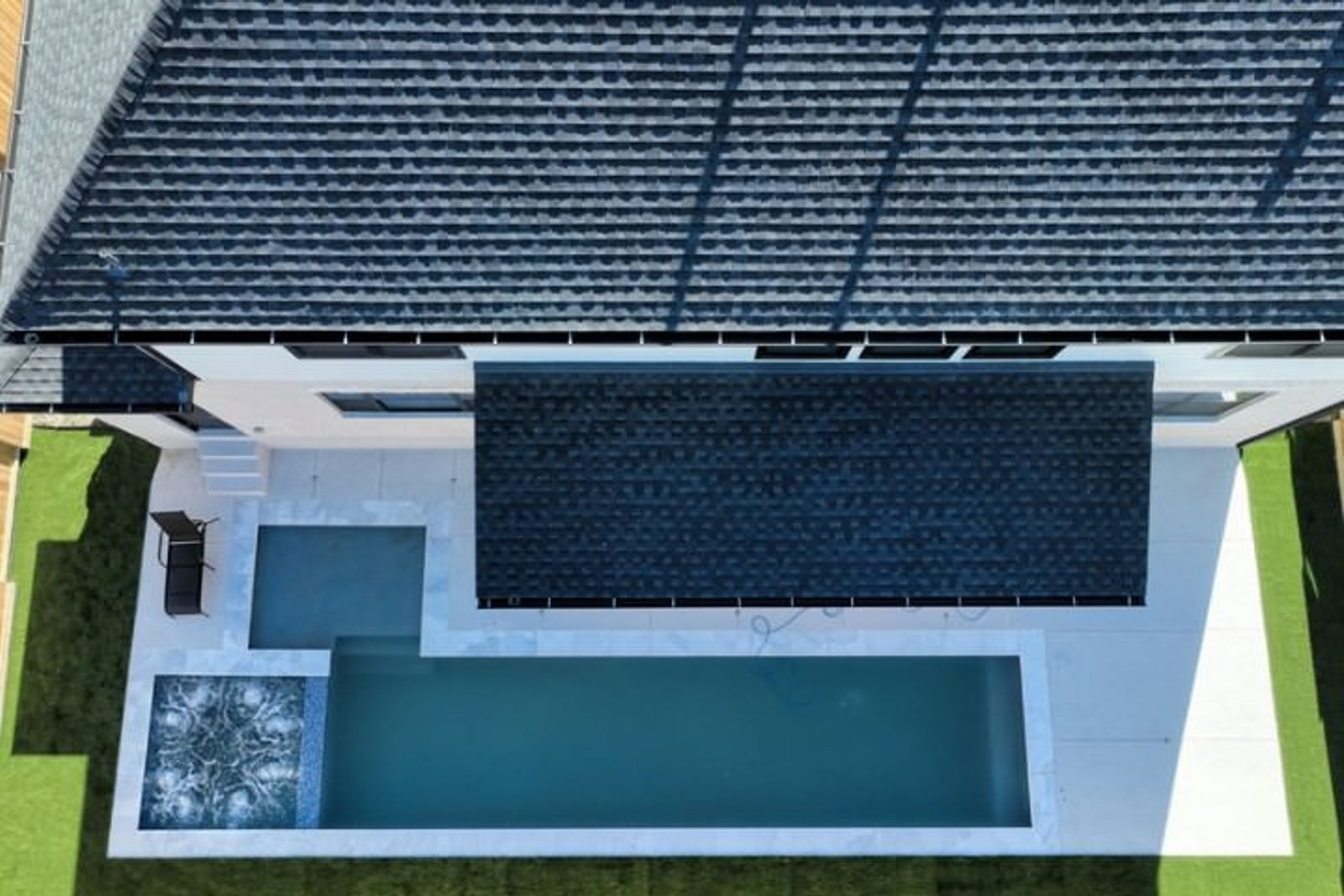
Choosing materials isn’t just about cost upfront; it’s also about long-term performance. A wood patio cover may be cheaper initially than steel, but if you plan to stay in your home for decades, steel’s durability might be more cost-effective in the long run. Similarly, polycarbonate or vinyl may fit tighter budgets but won’t provide the same resale value as a premium material like glass or composite.
When thinking about long-term value, ask yourself:
- How long do I plan to live in this home?
- Will this material enhance curb appeal or improve resale potential?
- How much ongoing maintenance am I realistically willing to take on?
Final Thoughts
Selecting the right material for your covered patio in Houston is about balancing durability, aesthetics, budget, and lifestyle needs. With options ranging from timeless wood to low-maintenance vinyl and upscale glass, there’s a perfect choice for every homeowner.
Ready to design your ideal covered patio in Houston? At GM Outdoor Living, Pool & Spa, we specialize in creating outdoor spaces that blend comfort, durability, and style. Our team will help you select the best material for your climate, your budget, and your vision.
Start your patio project today atGM Outdoor Living Pool & Spa.
Related Articles

How to Plan a Custom Outdoor Kitchen in Houston: A Step-by-Step Guide for Homeowners
Before you choose a grill or a layout, get the planning right. Here's how Houston homeowners can prepare for a custom outdoor kitchen, from space and utilities to drainage and HOA approval.

Planning Custom Patio Installation Around Your Pool
Your pool and patio should work as one system. Learn how smart planning prevents drainage problems, hot surfaces, awkward walkways, and costly construction changes.

Why Pool Water Turns Green: What's Really Happening in Your Pool
Houston storms can undo balanced pool chemistry in hours. Discover why rain, sunlight, and low chlorine create the perfect setup for green water.