Pool Finishes Compared for Houston Backyard Pools

The interior finish is the surface you see, touch, and swim against every time you're in the water, and it's the single largest visible surface in the pool. With so many pool finishes on the market, from plaster to pebble to tile, narrowing the field can feel harder than picking the pool shape itself. This guide compares the main finish types available to Houston-area homeowners across appearance, texture, durability, and maintenance, so you can shortlist two or three options that genuinely fit your pool and your household before you sit down with a builder.
What Is a Pool Finish, and What Does It Do?
A pool finish is the interior surface layer applied over the gunite shell once the structural work is complete. It's what actually holds the water, protects the concrete shell underneath, and gives the pool its color and texture. Every finish on this list is applied to the same basic shell, so the differences between them come down to what the material is made of, how it's installed, and how it performs over years of Houston sun, rain, and swim use.
Pool Finishes Compared: The Main Types for a Houston Backyard
Here's how the major finish categories differ, in the order most Houston pool builders present them.
Traditional White Plaster
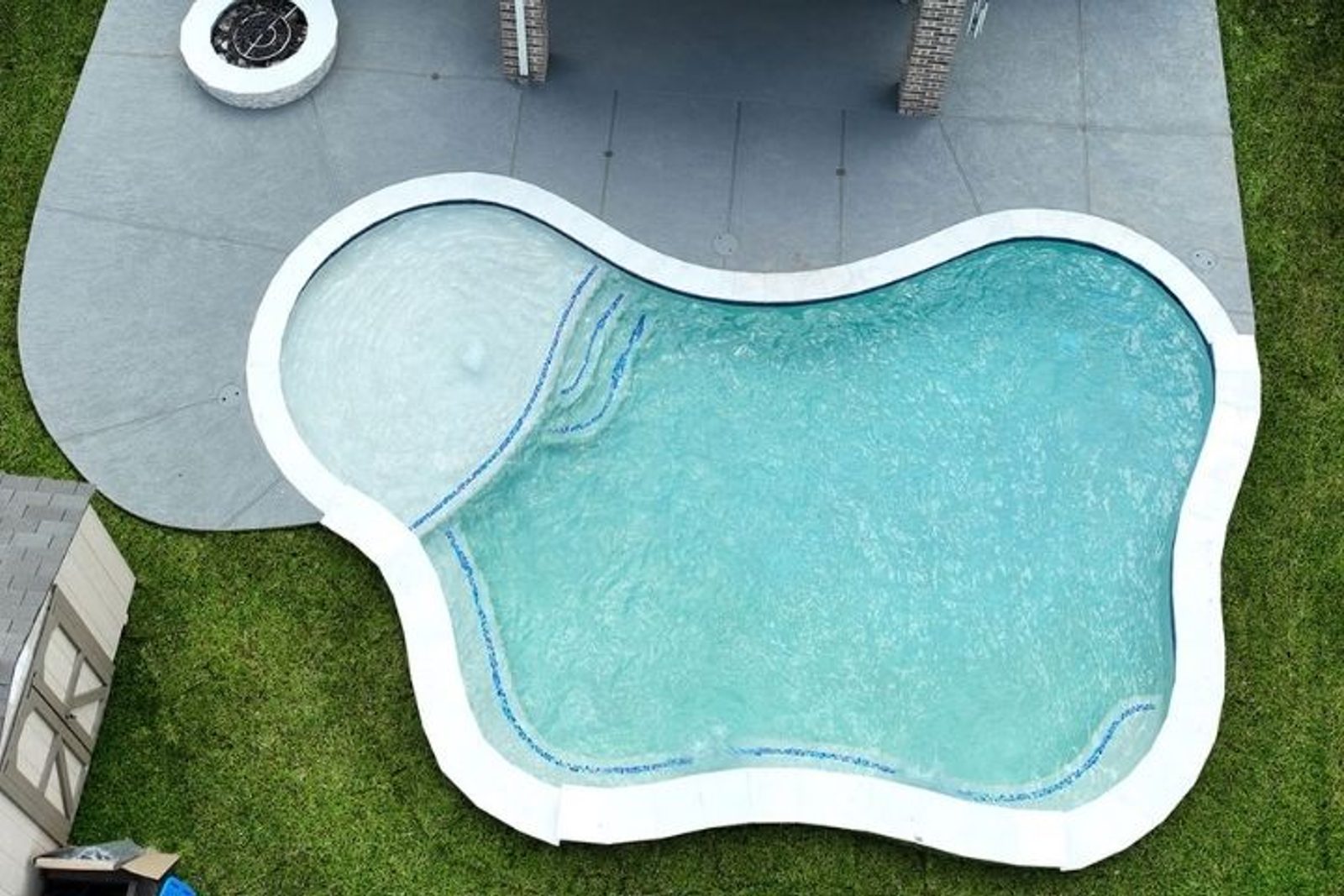
White plaster is the original pool finish and still the most common baseline option. It's a mix of marble dust and white cement, hand-troweled over the gunite shell to create a smooth, classic white or light gray surface. It gives water a bright, clean blue appearance and is generally the lowest-cost finish to install. The tradeoff is that plain white plaster tends to show wear, staining, and surface roughness sooner than the enhanced finishes below, and it's more prone to etching if water chemistry drifts out of balancefor extended periods.
Colored and Pigmented Plaster
Colored plaster starts with the same base material as white plaster but adds pigment to shift the tone, often toward gray, blue, or tan. It changes the water color and can soften the stark white look many homeowners want to move away from. Performance is similar to white plaster overall, though color consistency depends heavily on how evenly the pigment was mixed and applied, which makes installer experience matter more here than with a plain white finish.
Quartz-Enhanced Plaster
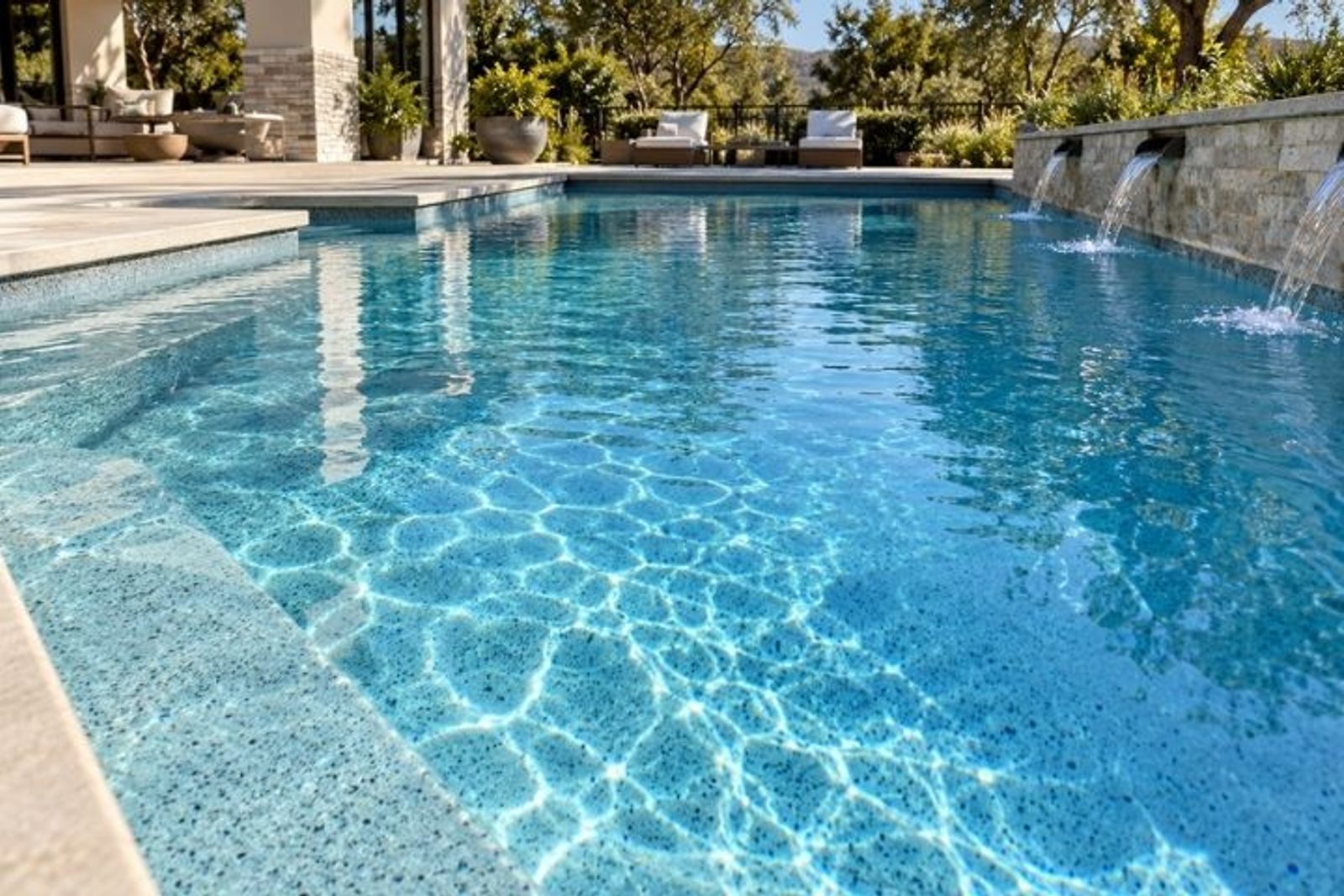
Quartz-enhanced plaster blends ground quartz aggregate into the plaster mix. The quartz adds hardness and a subtly flecked texture while still finishing relatively smooth underfoot. Homeowners often choose it as a step up from standard plaster: it generally holds color and resists staining somewhat better, without the more pronounced texture of a full pebble or aggregate finish.
Exposed Pebble and Aggregate
Exposed pebble finishes embed river pebble or other aggregate into the surface, then wash away the top layer of cement so the stones show through. The result is a richly textured, natural-looking surface that reads as a deeper, more varied blue-green in the water. Exposed pebble is known for being noticeably textured, and some families find it rough underfoot, especially barefoot kids on the shallow end steps. It's generally considered one of the more durable finish categories, which is part of why it's popular for high-use family pools.
Polished Pebble and Aggregate
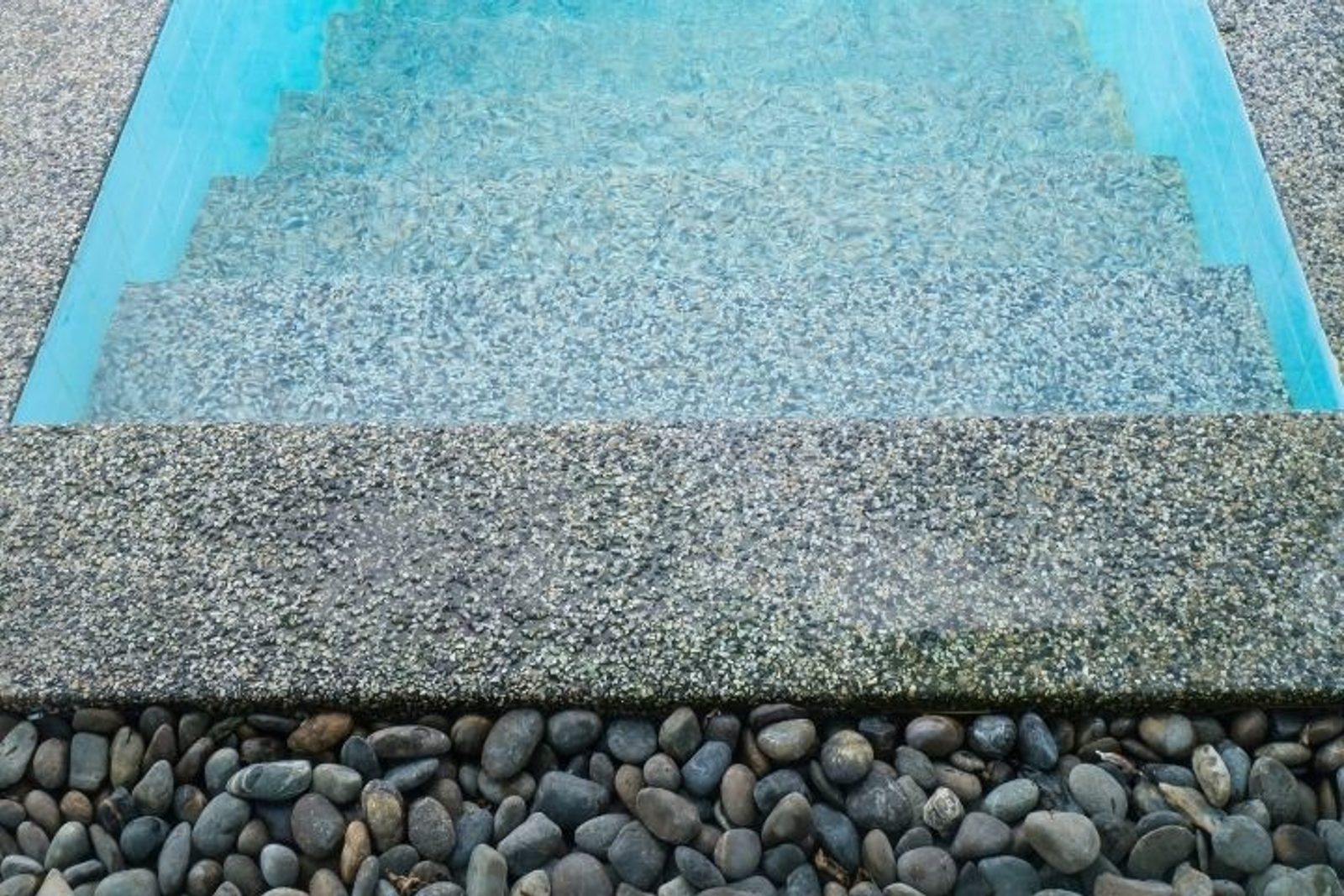
Polished aggregate uses the same stone-embedded approach as exposed pebble but grinds and polishes the surface smooth after installation. It keeps much of the visual richness and durability of exposed pebble while feeling considerably smoother and more comfortable underfoot. It typically sits at a higher price point than exposed pebble because of the extra labor involved in the polishing process.
Glass Bead Finishes
Glass bead finishes replace or supplement the aggregate with recycled glass beads, often in combination with quartz or pebble. They tend to produce a distinctive shimmer and richer color depth in the water, particularly in direct sun, and many homeowners choose them specifically for that visual effect. Durability and maintenance needs are generally comparable to quartz and pebble finishes, though the reflective quality is the main reason to consider this category over the others.
Full Tile Interiors
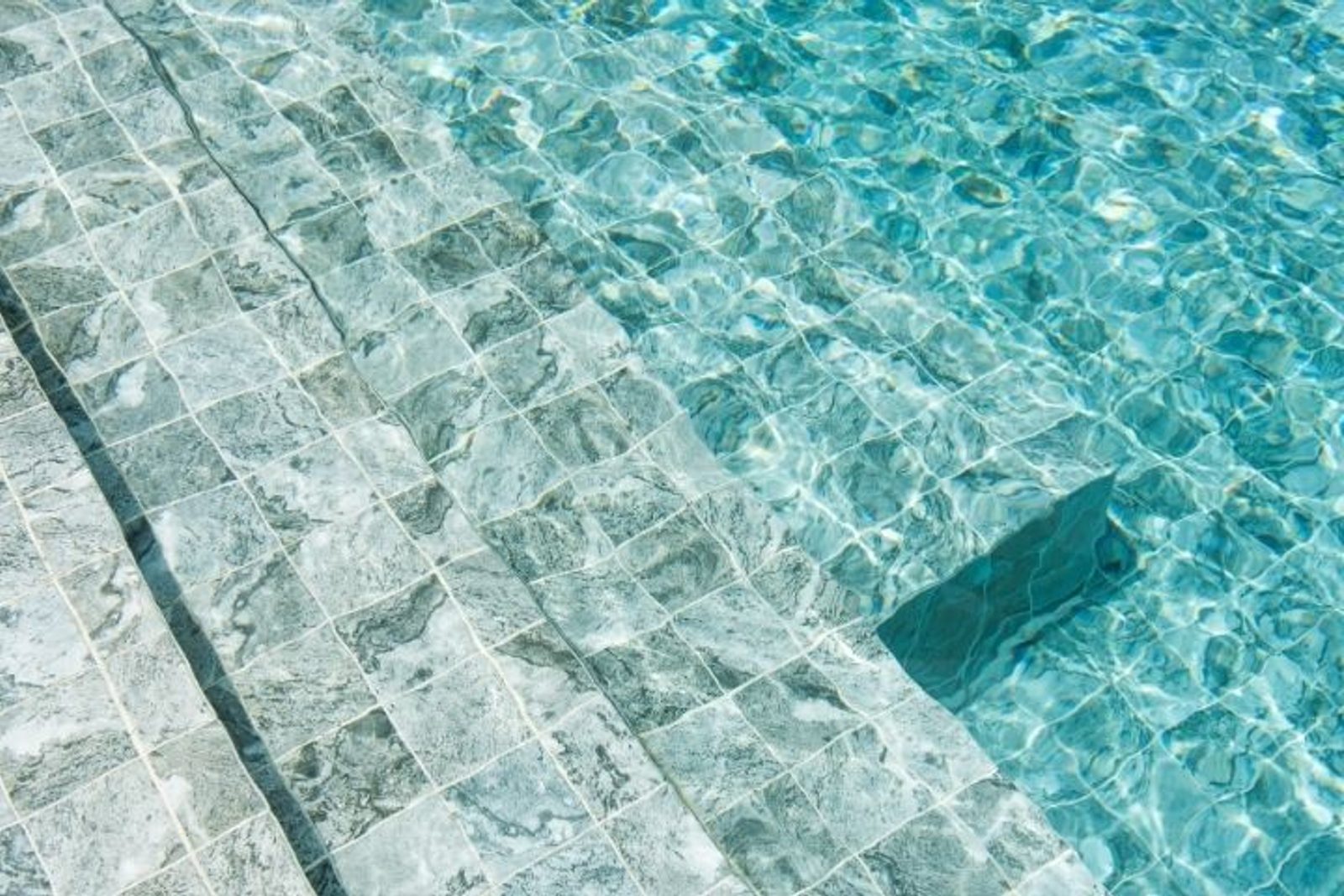
Full tile interiors, using porcelain, ceramic, glass, or natural stone tile across the entire pool surface rather than just the waterline, represent the highest-end finish option. Tile offers the widest range of colors, patterns, and design statements, along with strong resistance to staining and etching since it isn't a porous cementitious surface the way plaster and aggregate finishes are. It's also the most expensive category by a wide margin, both in materials and in the labor required to install it correctly across a full pool shell.
What About Paint and Epoxy Coatings?
Paint and epoxy pool coatings exist, but they're mostly used in commercial and older or specialty applications rather than new residential gunite pools in this market. They wear differently than a cementitious or tile finish, generally require more frequent recoating, and aren't the standard recommendation for a new build or a full resurface here. Most Houston homeowners planning a new pool or a renovation won't need to weigh this option seriously.
How the Finishes Compare
This table uses relative terms rather than invented numbers, since actual performance depends on installation quality, water chemistry, and use.
| Finish Type | Appearance | Texture Underfoot | Relative Durability | Maintenance Demand | Relative Cost Tier |
|---|---|---|---|---|---|
| White Plaster | Bright, classic blue | Smooth | Lower | Higher | Lower |
| Colored Plaster | Softer blue, gray, or tan tones | Smooth | Lower to moderate | Higher | Lower to moderate |
| Quartz-Enhanced Plaster | Subtle fleck, deeper tone | Smooth to lightly textured | Moderate | Moderate | Moderate |
| Exposed Pebble/Aggregate | Rich, natural, varied blue-green | Textured | Higher | Moderate | Moderate to higher |
| Polished Pebble/Aggregate | Rich, natural, glossier | Smooth | Higher | Moderate | Higher |
| Glass Bead | Shimmering, deep color | Smooth to lightly textured | Moderate to higher | Moderate | Moderate to higher |
| Full Tile | Widest design range, custom patterns | Smooth | Higher | Lower | Highest |
Houston-Specific Considerations for Pool Finishes
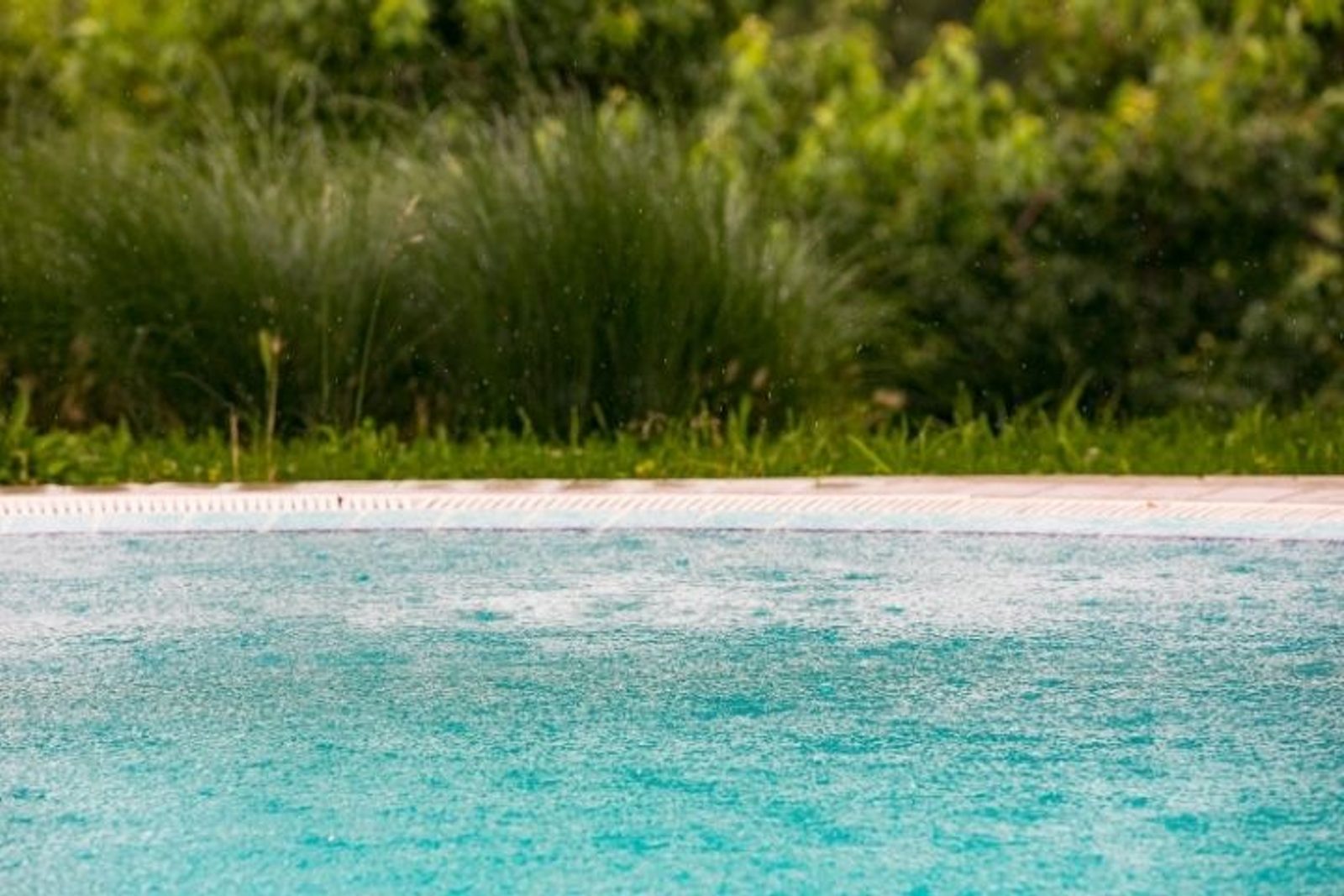
Every finish comparison above changes shape once you factor in the conditions a Houston pool actually lives in.
- A long swim season means more exposure. Houston pools often stay open and in active use nine or ten months of the year, which means more cumulative sun exposure and more swim-season wear on the finish than in markets with a short summer window.
- Heavy rain disrupts water balance repeatedly. Frequent heavy rain events dilute chlorine, alkalinity, and calcium hardness, and a finish that's regularly exposed to unbalanced water is more likely to show etching or scaling over time, regardless of which category you choose.
- Fill water mineral content varies by source. Depending on where your water comes from across the region, mineral content can contribute to scale and surface deposits. This varies enough by source that it's worth discussing with whoever services your pool.
- Expansive clay soil is a normal design factor. Much of Greater Houston sits on expansive clay, and a licensed builder accounts for that in the shell design. Minor surface craze cracking can appear on any cementitious finish over time and is generally a cosmetic, finish-level characteristic rather than a structural one. Anything beyond hairline surface cracking is a question for your builder, not a DIY diagnosis.
How Finish Choice Affects Your Pool's Water Color
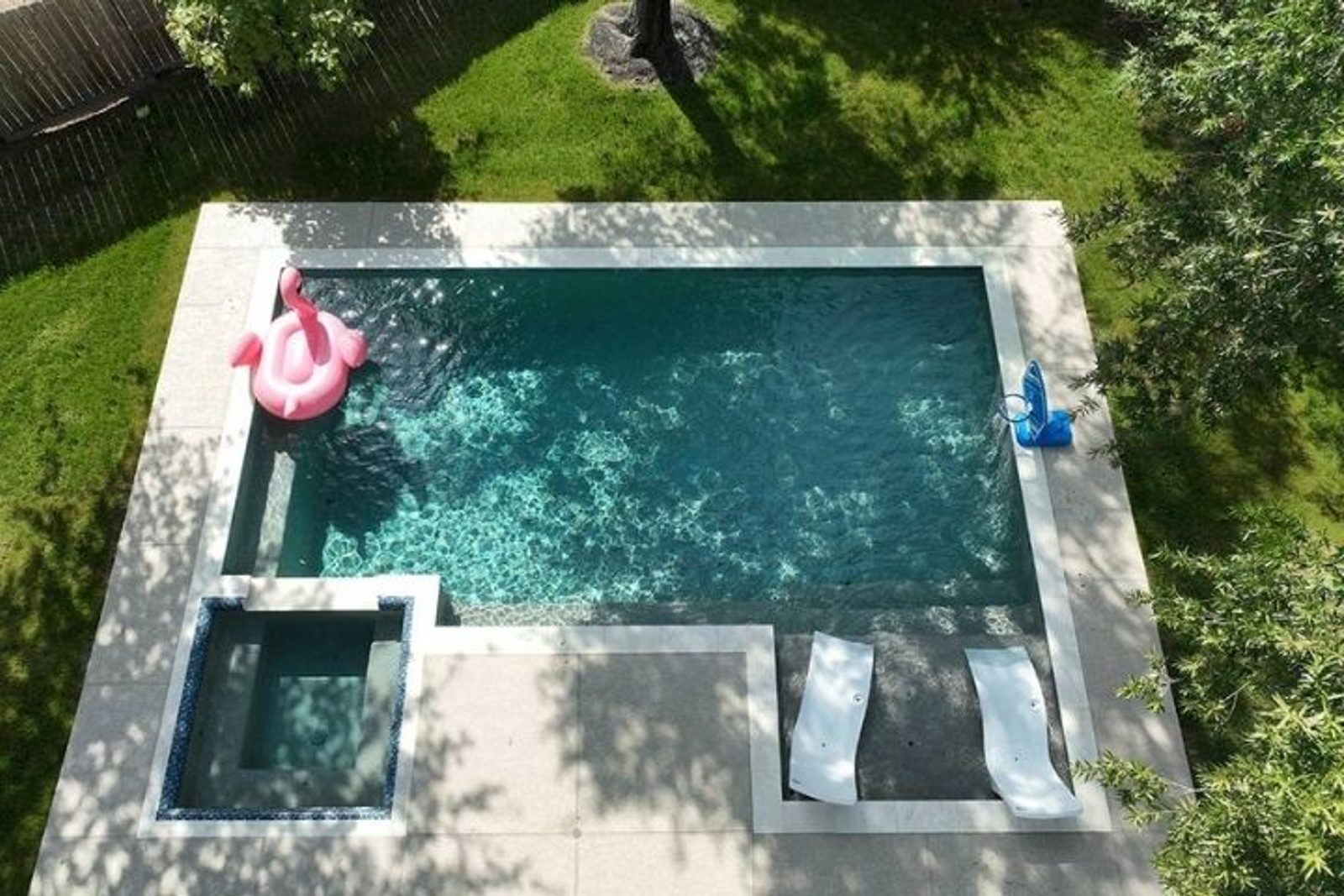
Finish color drives water color more than most homeowners expect when going in. Lighter finishes, like white or light quartz, generally read as bright blue or aqua. Mid-tone finishes read as a deeper blue. Darker and earth-toned finishes, common in many pebble and glass bead options, often read green, gray, or lagoon-like.
Here's the part that catches people off guard: a small, dry sample chip looks noticeably different from the same material once it's wet, cured, and installed at full scale in sunlight. Before you commit, ask to see finished pools using the exact finish you're considering, and look at both the shallow and deep ends, since depth changes how the color reads. Tree cover, patio covers, and reflected color from coping, decking, and nearby fencing all shift the final look too, so try to view a comparable pool in similar site conditions to your own backyard.
Texture and Comfort Underfoot
There's a real trade-off between durable, textured surfaces and smoother, more comfortable ones, and it's worth thinking about before you decide. More heavily textured finishes like exposed pebble tend to hold up well over years of use, but some family members notice the texture underfoot, particularly on bare feet. Steps, benches, tanning ledges, and beach entries actually benefit from a bit of texture for slip resistance, so a fully smooth finish isn't automatically the better choice everywhere in the pool. One more practical note: darker finishes absorb more surface heat in direct Houston sun, which matters if you have a sun shelf or beach entry where people are sitting or standing in shallow water for extended periods.
Choosing a Finish for a New Build vs. a Resurface
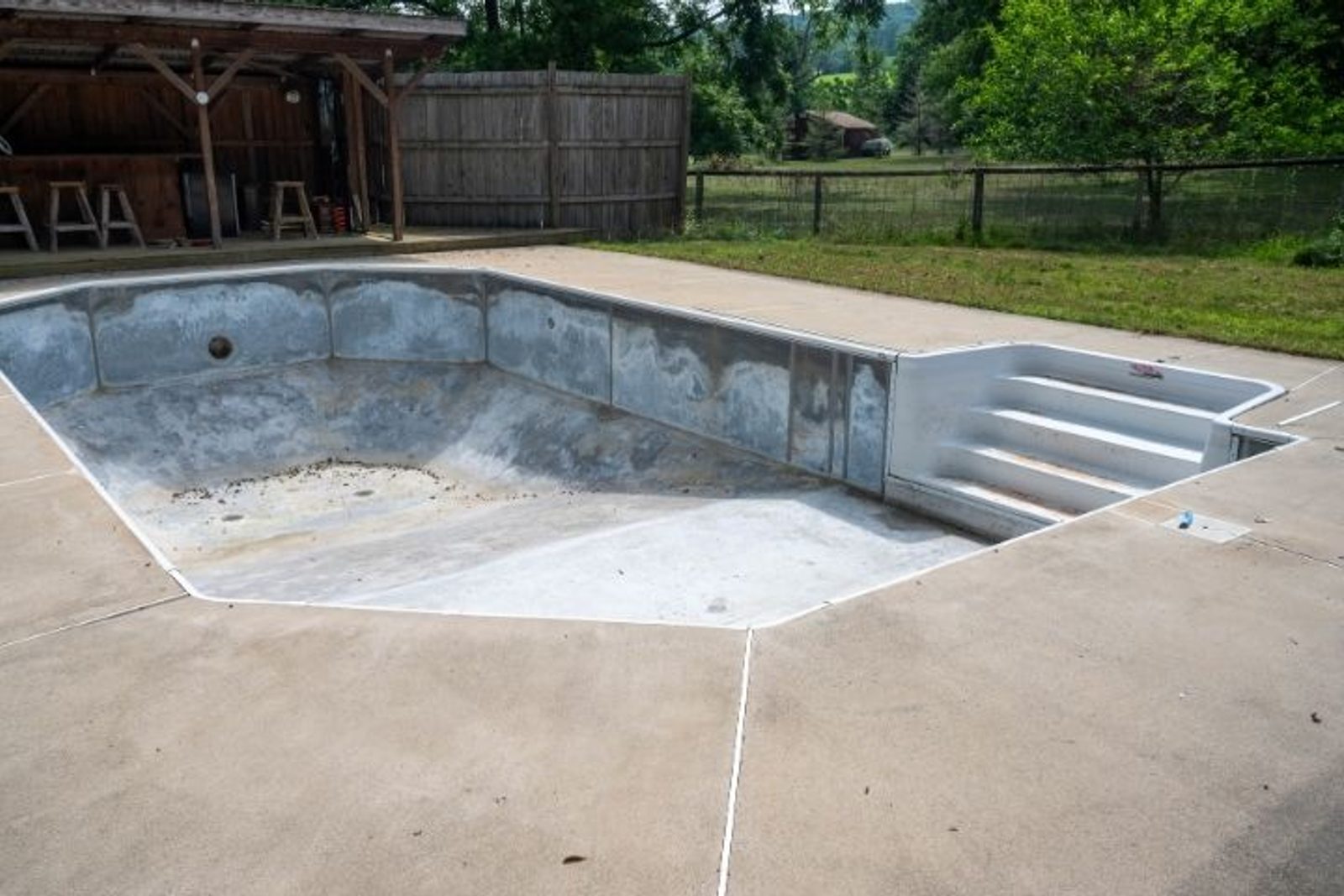
If you're building a new pool, you're choosing a finish largely on its own merits, appearance, texture, durability, and how it fits your budget. If you're resurfacing an existing pool, the calculation changes. Replastering or resurfacing is often the natural moment to also update your waterline tile and coping, since the new finish needs to coordinate with whatever tile and decking stay in place. A builder evaluating a resurfacing project will typically look at the condition of the existing shell and finish, not just swap one finish for another, since a full renovation is a chance to correct issues that go beyond the surface layer.
How to Think About Pool Finish Cost
Pool finish pricing varies widely, and it depends on more than the finish category alone: total pool size and surface area, the specific finish and any custom features like tanning ledges or spas, the condition of the existing shell on a resurfacing project, how much tile and coping work is involved, and even site access for equipment and materials. Because of that range of variables, accurate pricing requires a builder to evaluate your specific pool or build design in person rather than pricing off a generic rate. It's also worth evaluating the finish cost over the full ownership period rather than just the installation price, since a higher upfront cost in a more durable category can mean fewer resurfacing cycles down the road.
How to Choose the Right Finish for Your Pool
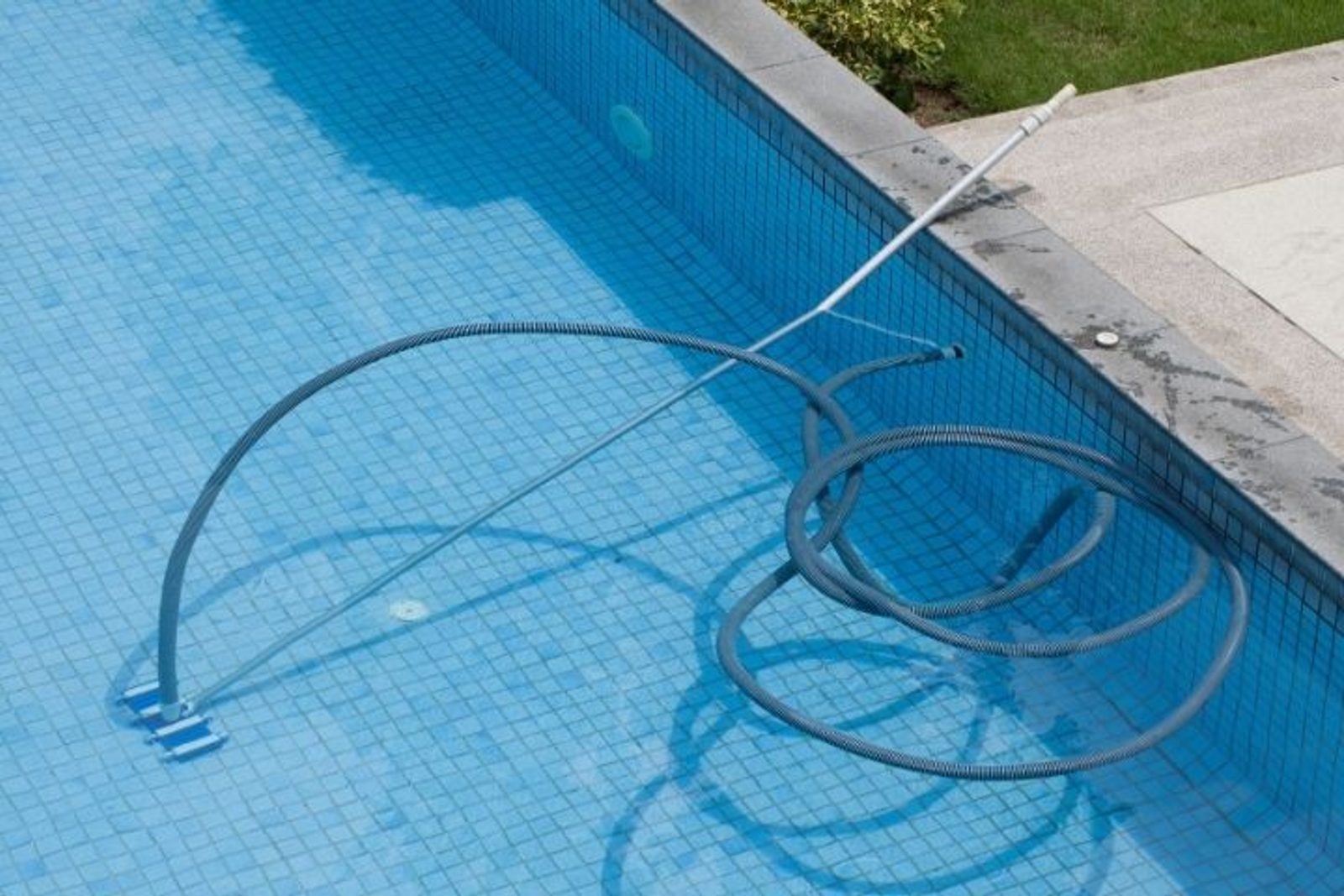
Use these starting points to narrow your options, then bring your shortlist to a consultation.
Budget-First
If minimizing upfront cost is the priority, start with white or colored plaster. It's the most accessible entry point and still delivers a clean, classic pool look.
Low-Maintenance-First
If you want to spend less time and attention on upkeep, look toward quartz-enhanced plaster, polished pebble, or full tile, categories generally associated with lower ongoing maintenance demand relative to plain plaster.
Longevity-First
If getting the longest practical service life out of your finish matters most, aggregate finishes, exposed or polished pebble, and full tile generally hold up longer than standard plaster, provided water chemistry and use are reasonably well maintained.
Design-Statement-First
If you want your pool to be a visual centerpiece, glass bead finishes and full tile interiors offer the most dramatic color and design range, particularly around tanning ledges, spas, and water features where the finish is highly visible.
Pool Finishes FAQs
Is pebble or plaster better for a Houston pool?
Neither is universally better. Plaster costs less upfront and gives a classic look, while pebble finishes are generally more durable and textured. The right choice depends on your budget, how the pool will be used, and how much texture underfoot you're comfortable with.
How long does a pool finish last?
Lifespan depends on the finish type, water chemistry, how the pool is used, and installation quality, so it varies from pool to pool. As a general pattern, more durable categories like polished aggregate and tile tend to outlast standard plaster, but a builder can speak to realistic expectations for your specific situation.
Can I change my pool finish during a resurfacing?
Yes. Resurfacing is a common time to move from one finish category to another, and it's often the natural moment to update waterline tile and coping at the same time so everything coordinates.
Does a darker pool finish make the water hotter?
Darker finishes absorb more surface heat in direct sun, which can be noticeable in shallow areas like a sun shelf or beach entry. It's a factor worth discussing if you're including those features in your design.
Do I need special water chemistry for a pebble or tile finish?
All pool finishes benefit from consistent water balance, including pH, total alkalinity, and calcium hardness staying within the ranges your pool professional recommends. Extended periods of unbalanced water can affect any finish over time, so routine testing and maintenance matter regardless of which finish you choose.
Ready to Compare Finishes for Your Pool?

The right pool finish depends on your budget, your household, and how your family actually uses the pool, and that's easier to evaluate against your real backyard than a product catalog. GM Outdoor Living, Pool & Spa walks the property, evaluates your shell condition or build design, and prices real finish options so you're comparing what actually applies to your project. If you're planning a custom pool build or considering a pool renovation, contact GM Outdoor Living, Pool & Spa today to schedule a consultation. And once your pool is finished, our pool cleaning and maintenance services help keep your new finish looking its best for years to come.
Related Articles

Pool Maintenance After Heavy Rain in Houston
Keep your Houston pool clean and balanced after heavy rain. Follow these practical steps for debris removal, water testing, filtration, and water levels.

Key Factors That Determine Outdoor Kitchen Cost in Houston
Why do outdoor kitchen quotes in Houston vary so much? Explore how appliances, materials, soil conditions, utilities, and permits shape your budget and learn what to ask before hiring a builder.

Patio Furniture Ideas for Houston Poolside Lounging
Chlorine splash, humidity, and Gulf Coast storms wear out poolside furniture fast. Learn which materials, seating, and shade options hold up around a Houston pool deck.