A Step-by-Step Guide to the Pool Building Process

Ever wondered what actually happens when you decide to build a custom pool in your backyard? Many homeowners imagine the finished result, sparkling water, relaxing deck chairs, and family memories, but have no idea how much coordination and expertise go into the construction journey. The pool building process is a complex series of steps, each carefully designed to ensure your pool is beautiful, safe, and long-lasting.
At GM Outdoor Living, Pool & Spa, we guide Houston homeowners through every stage of the pool building process, turning overwhelming details into an exciting, streamlined experience. In this guide, we’ll walk you through the full journey from the first design consultation to your first swim, explaining how each step builds upon the last.
Step 1: Design and Planning

The journey begins with dreams and ideas, but successful pools require thorough planning. During this stage, you and your pool builder will collaborate on a design that fits your backyard, lifestyle, and budget.
Key components of this stage include:
- Site Evaluation: Assessing yard size, slope, drainage, and sun exposure to determine the best placement.
- Layout Decisions: Selecting the pool’s shape, depth, and features such as tanning ledges, spas, or waterfalls.
- Permit Approval: Pool construction in Houston requires city permits, and if you live in an HOA community, additional approvals may be needed.
- Budgeting: Your builder will provide a detailed estimate covering construction, equipment, materials, and optional features.
Planning well in advance ensures the project moves smoothly once construction begins and helps prevent costly adjustments later.
Step 2: Excavation
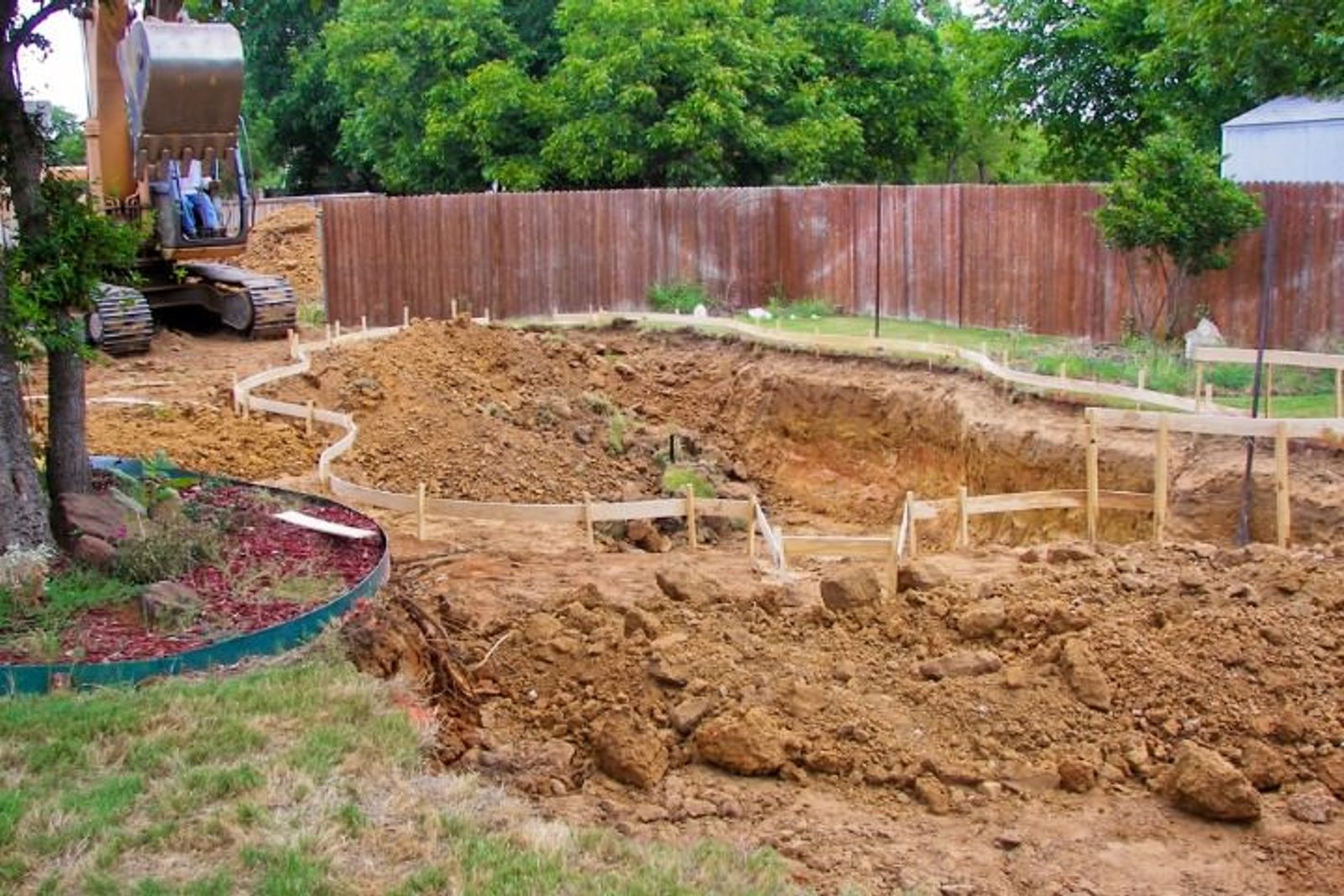
After permits are in place, the real transformation begins with excavation. This is when your backyard starts taking shape.
- Land Preparation: Construction crews mark the pool outline and bring in equipment to dig.
- Soil Considerations: Houston’s clay-heavy soil requires professional handling to prevent shifting or drainage issues.
- Shaping: The excavation must match exact specifications to ensure structural stability and proper water flow.
Though it looks chaotic at first, excavation is a critical foundation for the entire project.
Step 3: Reinforcement
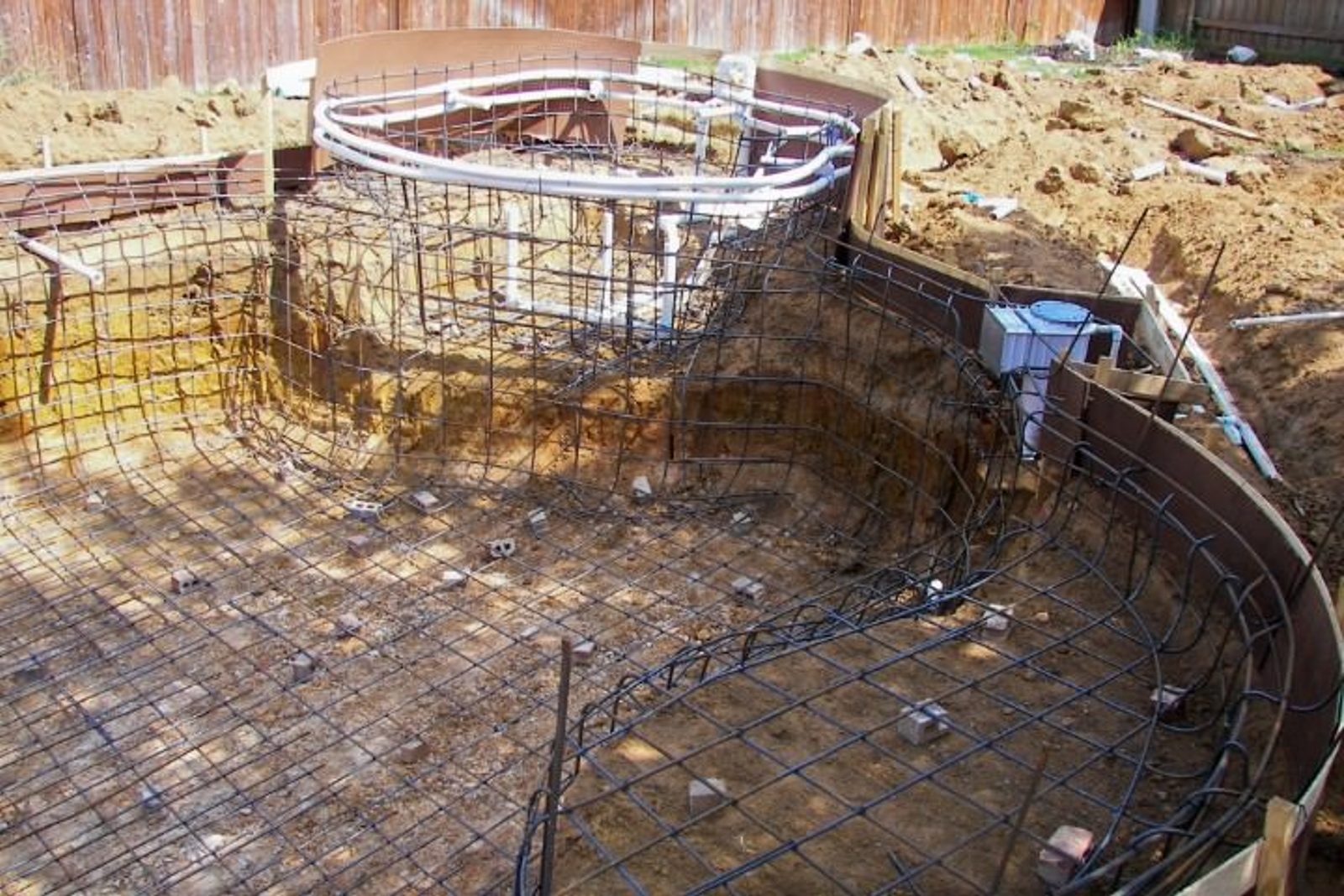
Once the hole is dug, the next step is reinforcing the structure. This includes:
- Steel Placement: Rebar is laid in a grid pattern to form the pool’s skeleton, adding strength and stability.
- Forming: Wooden forms may be added around edges to maintain shape.
- Structural Support: Additional reinforcement is placed in high-stress areas like steps, ledges, or spa spillways.
At this stage, inspectors often check the steelwork before moving forward, ensuring everything meets building codes.
Step 4: Plumbing Installation
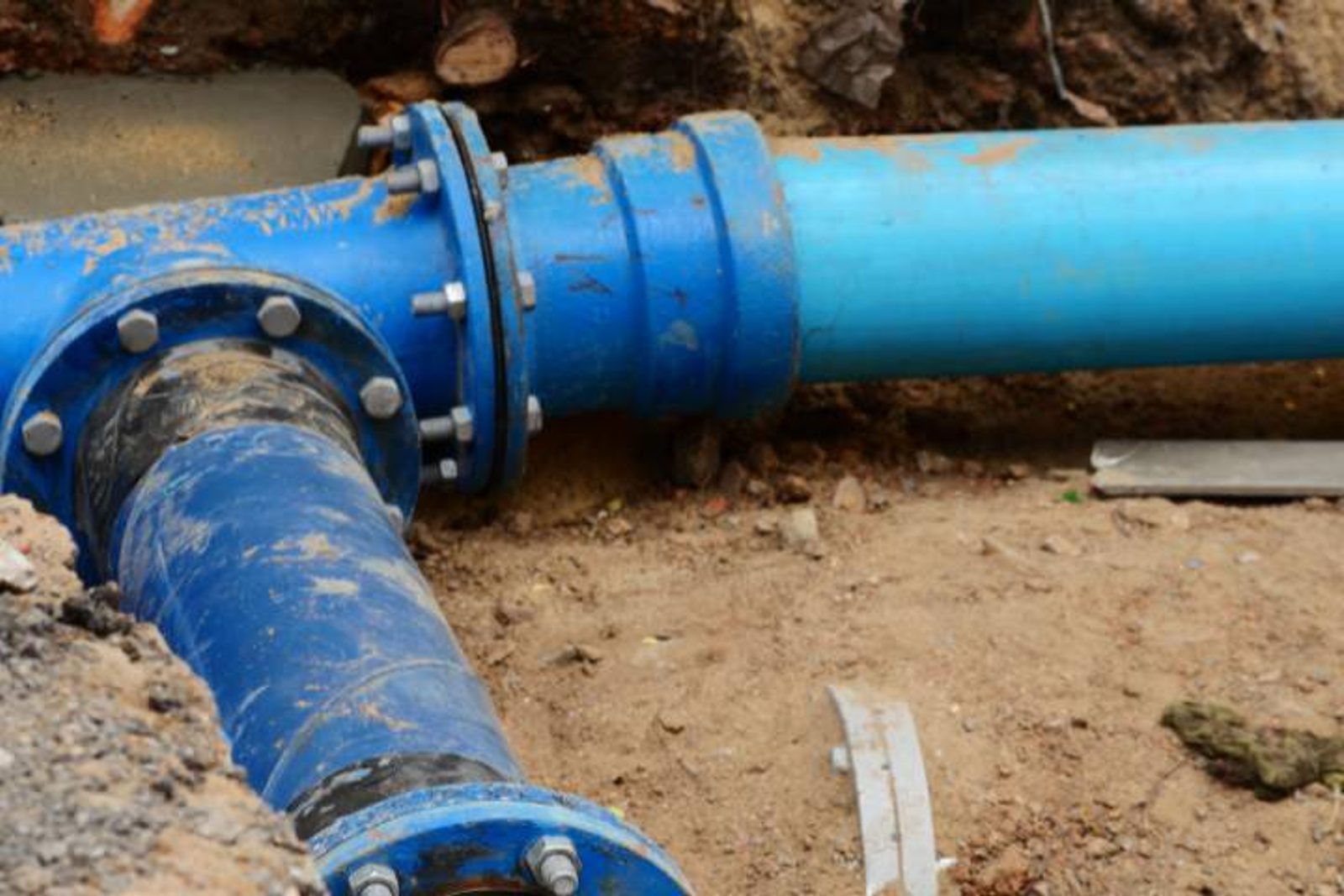
Plumbing is essential for water circulation and sanitation. A professional plumbing setup includes:
- Pipes and Drains: Installed to ensure water flows smoothly through the system.
- Pumps and Filters: Chosen for efficiency and properly sized for your pool’s volume.
- Skimmers and Returns: To keep water clean and well-balanced.
- Special Features: Extra plumbing for spas, waterfalls, bubblers, or in-floor cleaning systems.
Quality plumbing ensures a pool that runs efficiently, saving you time and money in maintenance.
Step 5: Electrical Work
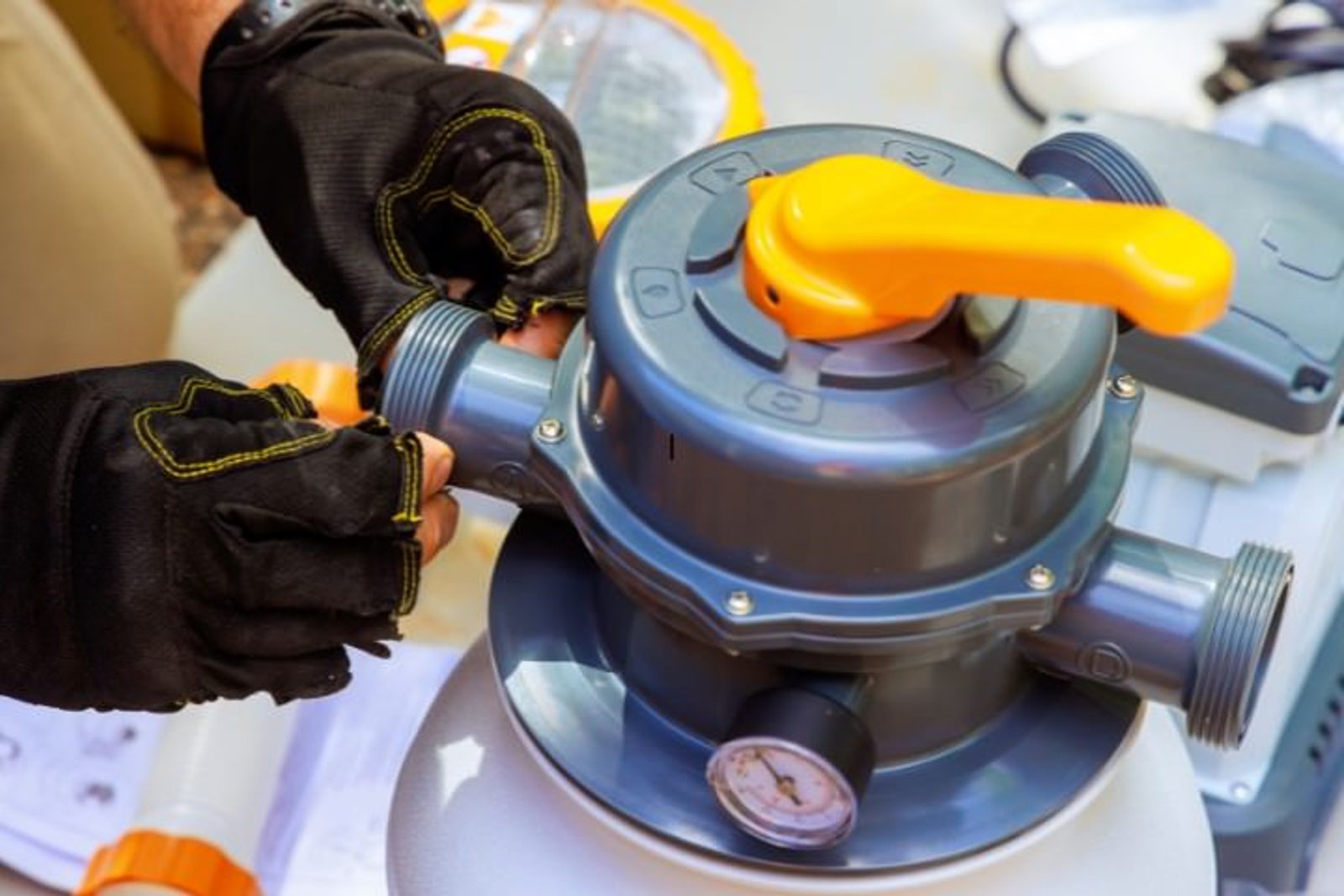
Electrical systems power your pool’s most advanced features. Licensed electricians install:
- Lighting: Underwater LED lights and perimeter lights for safety and ambiance.
- Automation Systems: Control panels, timers, or mobile apps that allow you to adjust settings from anywhere.
- Safety Components: Grounding and bonding that prevent electrical hazards near water.
- Equipment Connections: Heaters, salt systems, and pumps all require precise wiring.
Because safety is paramount, inspections are performed before continuing.
Step 6: Concrete Application
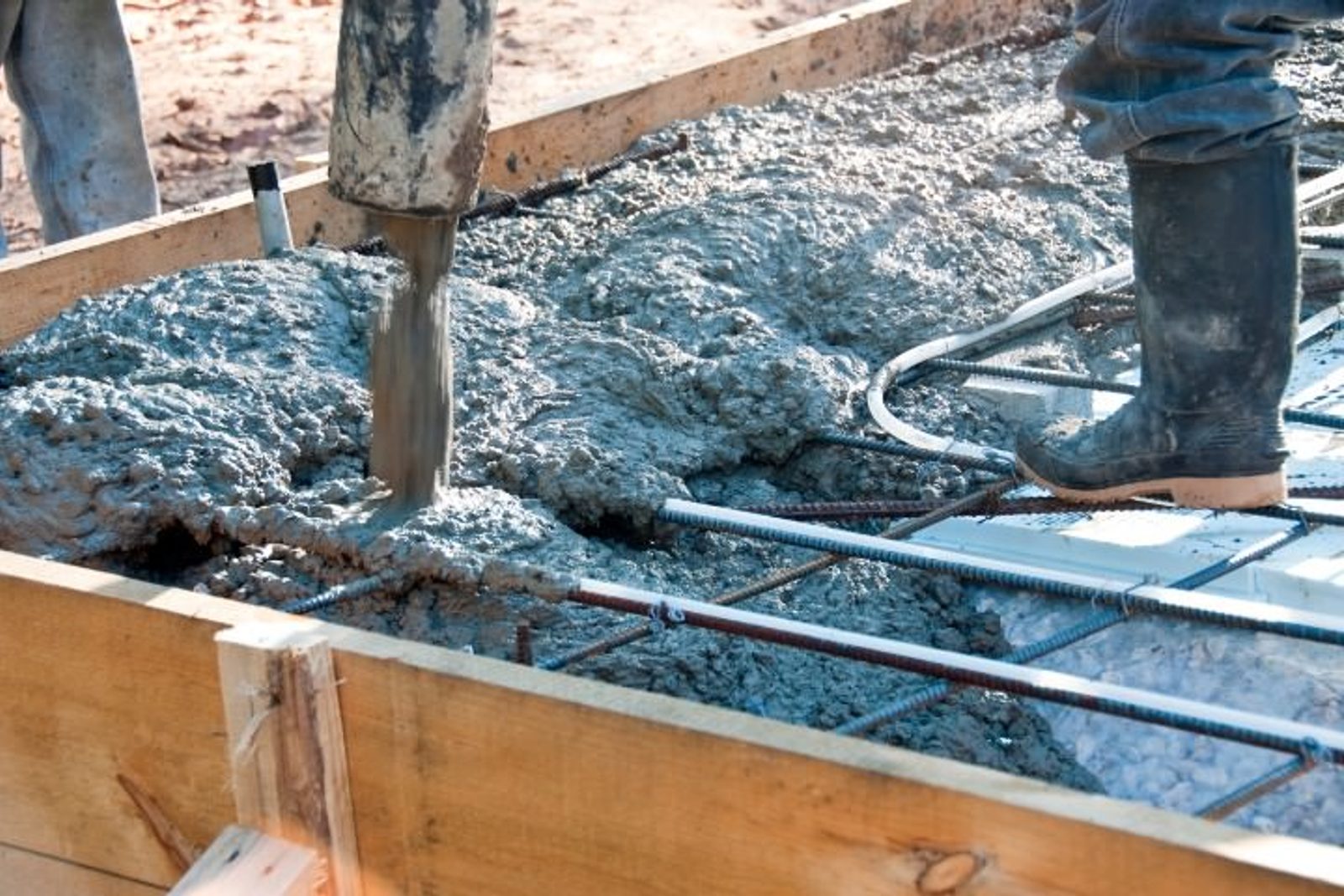
For in-ground concrete pools, the shell is formed with gunite or shotcrete, a sprayed concrete mixture that hardens into a solid structure.
- Application: Concrete is pneumatically applied over the steel framework.
- Curing: Concrete must cure for several weeks to reach maximum strength. Houston’s climate can influence curing time, with hotter weather requiring extra care to prevent cracks.
- Shell Stability: Once cured, the shell becomes the permanent foundation for your pool.
This step is one of the most important for long-term durability.
Step 7: Tile and Coping
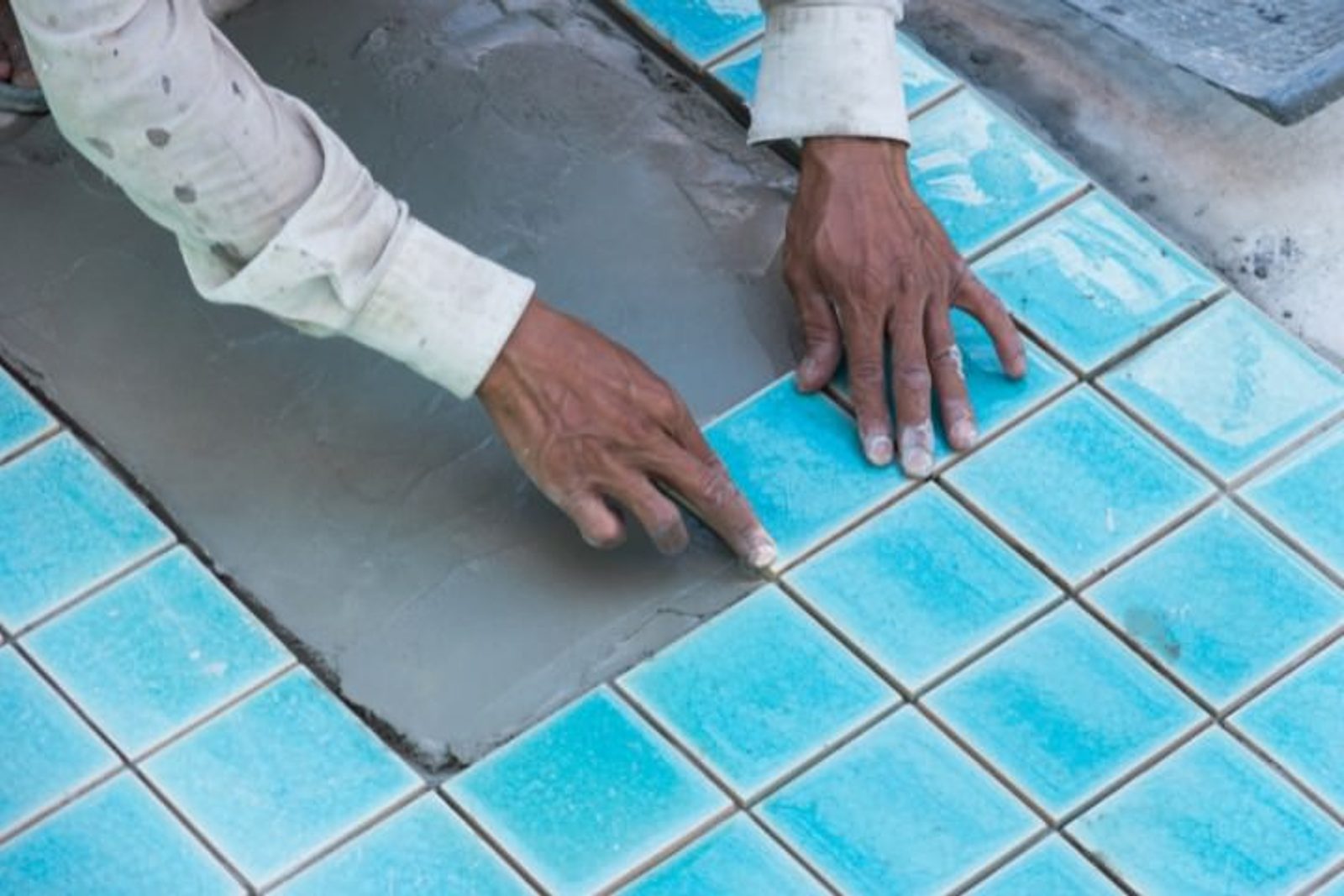
With the shell complete, it’s time to add beauty and functionality:
- Tile: Installed along the waterline for both durability and style. Options include glass, ceramic, or natural stone.
- Coping: The edge or cap that frames the pool, providing a finished look while protecting the shell. Materials include travertine, flagstone, brick, or concrete.
Proper alignment and installation ensure both lasting quality and visual appeal.
Step 8: Interior Finishes
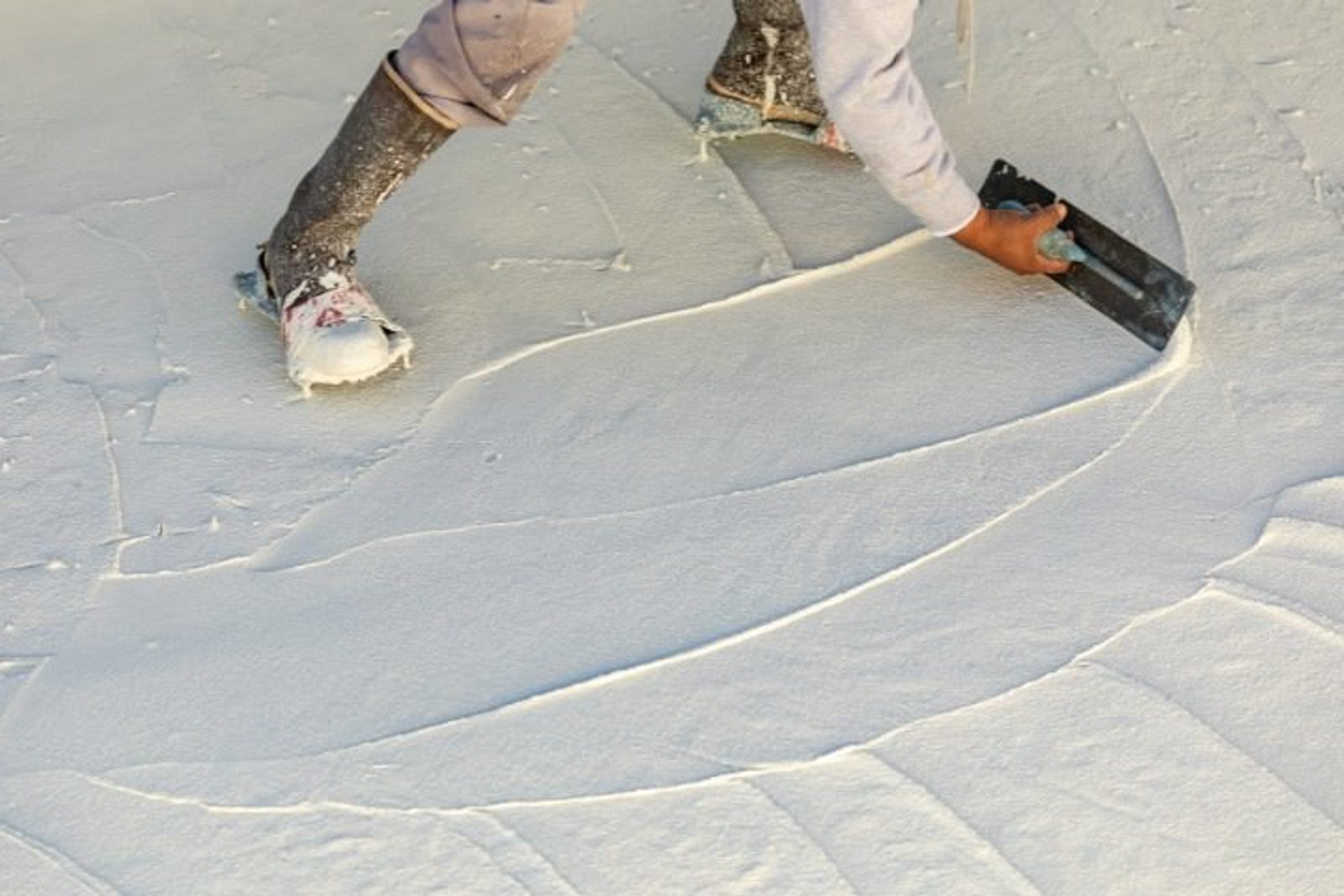
The interior finish determines the look and feel of your pool’s water. Options include:
- Plaster: A classic, budget-friendly choice.
- Pebble: Durable and textured, offering natural beauty.
- Quartz: A sparkling upgrade that resists stains and adds luxury.
- Alternative Coatings: Advanced blends that offer unique textures and colors.
This layer is applied by hand and sealed to protect against leaks while enhancing aesthetics.
Step 9: Decking and Landscaping
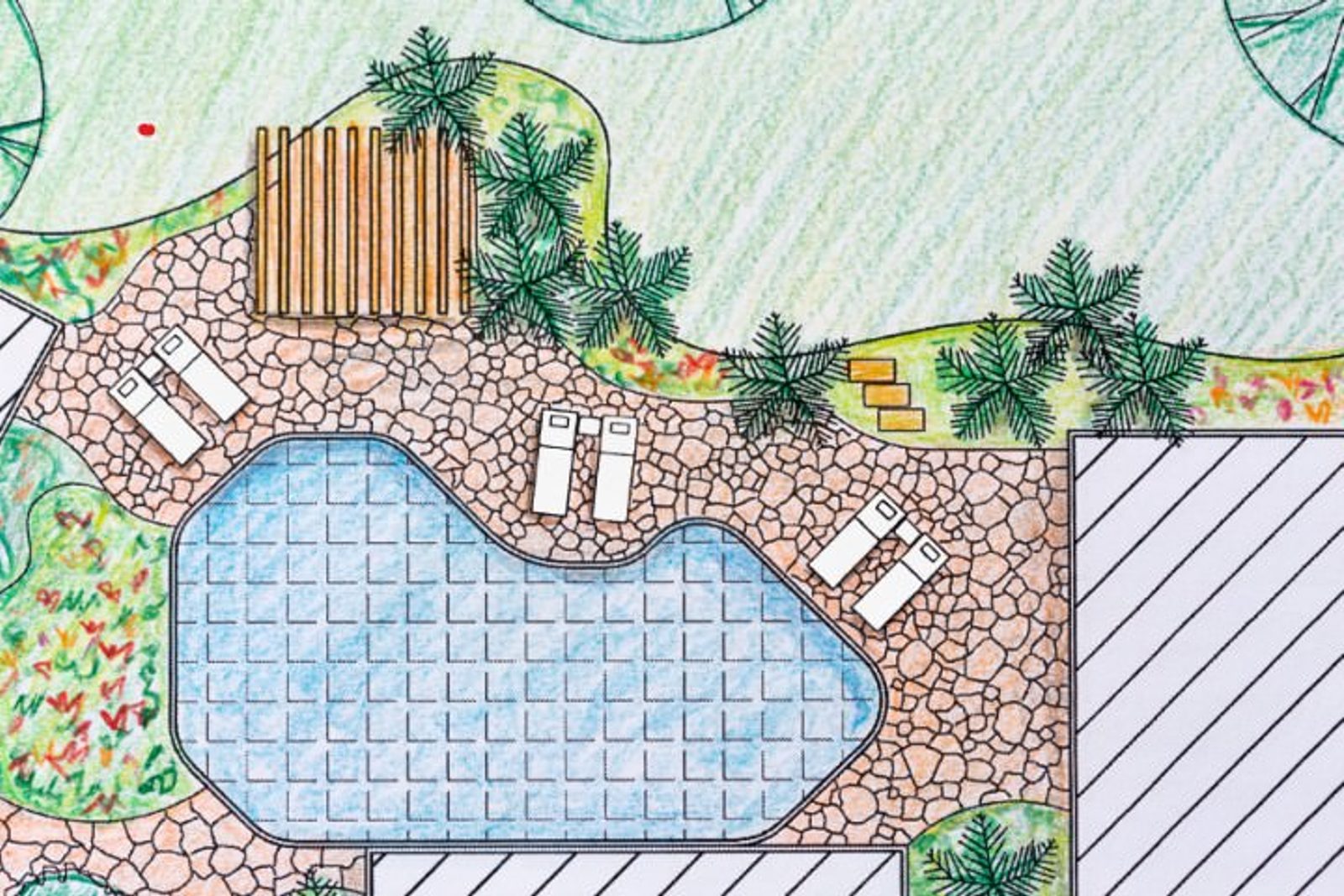
Your pool is more than just water; it’s part of your outdoor living environment. This stage completes the backyard transformation with:
- Decking: Concrete, travertine, pavers, or composite decking for style and function.
- Landscaping: Plants, lighting, and hardscape to tie everything together.
- Outdoor Features: Kitchens, pergolas, or fire pits for added entertainment.
A well-designed deck and landscape make your pool a true retreat.
Step 10: Final Inspections
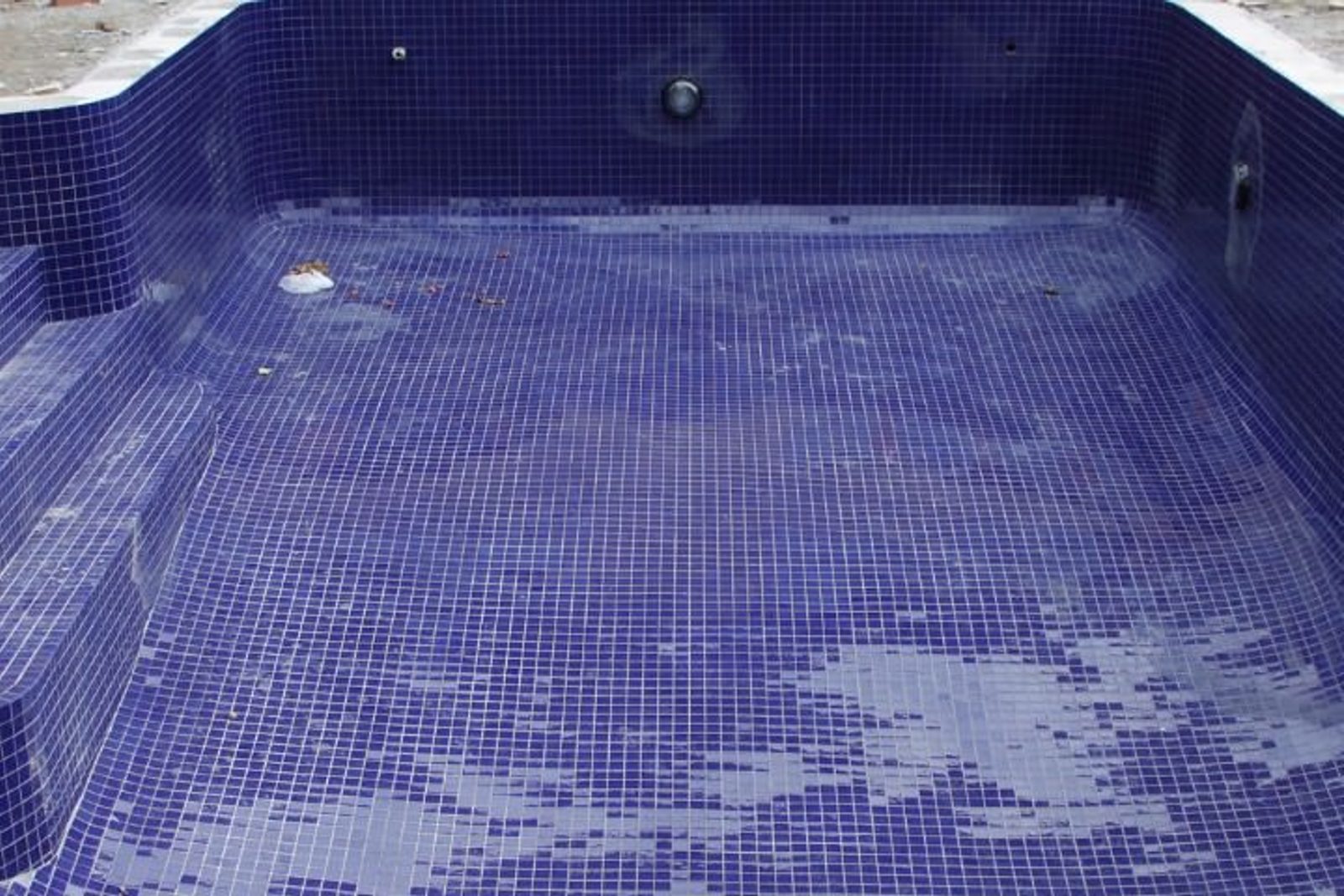
Before filling the pool, city inspectors perform final checks to ensure all systems are safe and compliant with local codes. This includes:
- Plumbing pressure tests
- Electrical safety checks
- Structural reviews
Passing inspections confirms your pool is ready for operation.
Step 11: Start-Up and Pool Fill
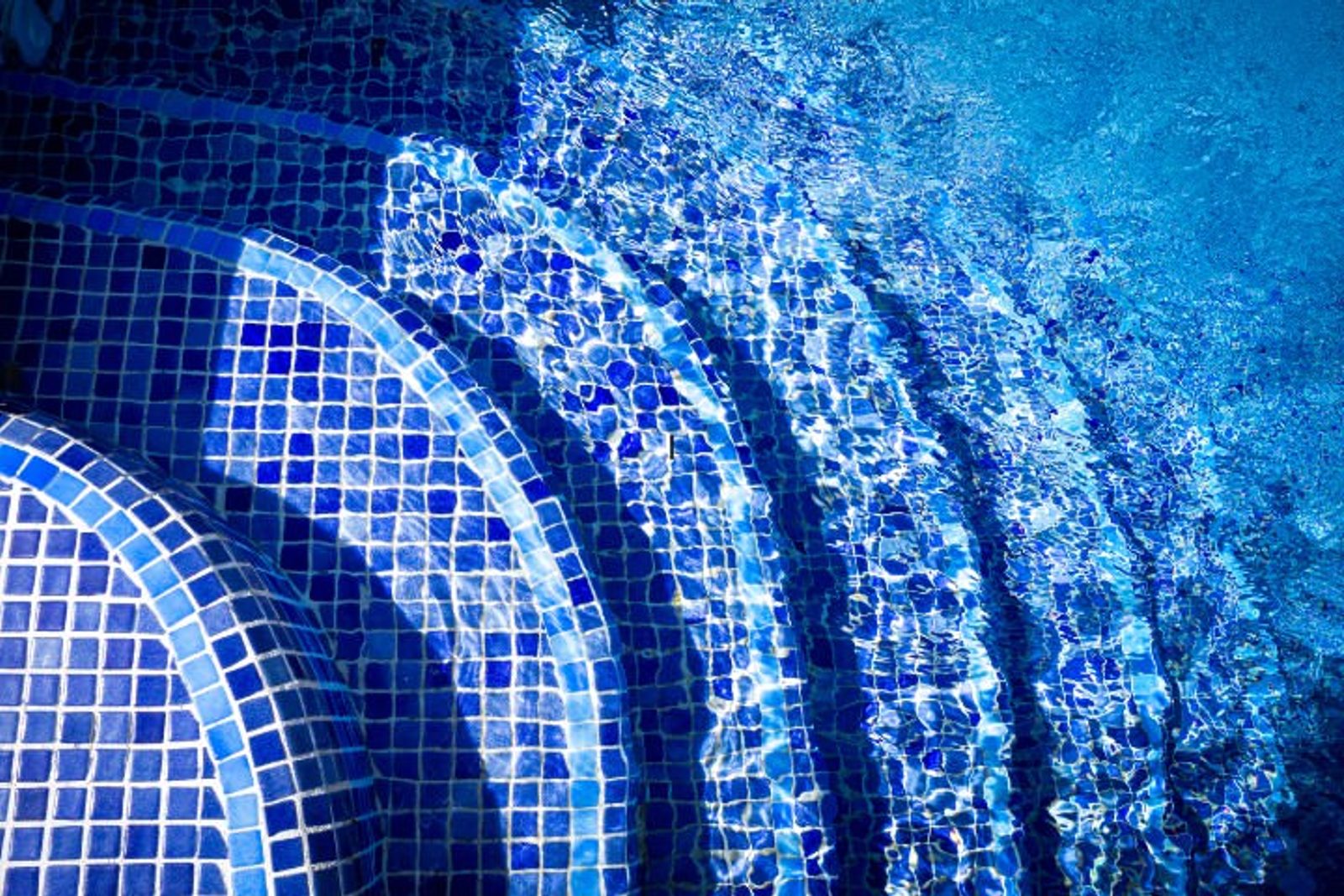
Finally, it’s time to bring your pool to life:
- Water Fill: The pool is filled to the proper level.
- Balancing Water Chemistry: Chemicals are added to achieve safe, balanced water.
- Equipment Testing: Pumps, heaters, and lights are tested for performance.
- Homeowner Orientation: Your builder will walk you through pool operation, maintenance tips, and safety guidelines.
This stage ensures you feel confident using and caring for your pool from day one.
Why Following the Pool Building Process Matters

Each step of the pool building process builds upon the last. Skipping inspections, rushing curing times, or cutting corners on plumbing can cause costly problems down the road. By working with an experienced Houston pool builder, you protect your investment and ensure a pool that lasts for decades.
Final Thoughts
Building a pool is an exciting journey, but it requires expertise, precision, and a proven process. From design and excavation to finishing and orientation, each stage is designed to ensure your pool is safe, efficient, and stunning.
Ready to start your pool building process with a trusted Houston expert? At GM Outdoor Living, Pool & Spa, we handle every step with care and craftsmanship so you can enjoy a smooth construction journey and a backyard retreat built to last.
Schedule your consultation today with GM Outdoor Living Pool & Spa.
Related Articles

How to Plan a Custom Outdoor Kitchen in Houston: A Step-by-Step Guide for Homeowners
Before you choose a grill or a layout, get the planning right. Here's how Houston homeowners can prepare for a custom outdoor kitchen, from space and utilities to drainage and HOA approval.

Planning Custom Patio Installation Around Your Pool
Your pool and patio should work as one system. Learn how smart planning prevents drainage problems, hot surfaces, awkward walkways, and costly construction changes.

Why Pool Water Turns Green: What's Really Happening in Your Pool
Houston storms can undo balanced pool chemistry in hours. Discover why rain, sunlight, and low chlorine create the perfect setup for green water.