Atascocita Pool Maintenance Tips Every Owner Needs

Owning a pool in Atascocita comes with a serious advantage: the ability to swim comfortably for most of the year. But that extended swim season also means your pool is exposed to heat, humidity, heavy rains, and pollen for far longer than pools in cooler climates. Without consistent upkeep, what starts as a minor chemical imbalance or a clogged skimmer basket can turn into an algae bloom, a cloudy pool, or a repair bill that could have been avoided.
These pool maintenance tips are built specifically for Atascocita homeowners who want to stay ahead of problems, not react to them.
Why Atascocita's Climate Makes Pool Maintenance Non-Negotiable
Before diving into the checklist, it helps to understand why this area presents unique challenges for pool owners.
Atascocita sits in the greater Houston area, which means pool owners deal with:
- Warm temperatures that stretch well into October, keeping algae-growth conditions active long after other regions close their pools
- High humidity that accelerates bacterial development in water that isn't properly balanced
- Intense pollen seasons that coat pool surfaces and spike organic load in the water
- Heavy summer storms that dump organic debris, introduce bacteria, and dilute your chemical balance with fresh rainwater
- Storm runoff that carries contaminants like dirt, fertilizer, and leaf debris directly into your pool if drainage around your property is poor
All of these factors raise the stakes for every maintenance habit covered below. Skipping a week during pollen season or after a storm is rarely a neutral choice in this climate.
Test Your Water Consistently, Not Just When Something Looks Wrong
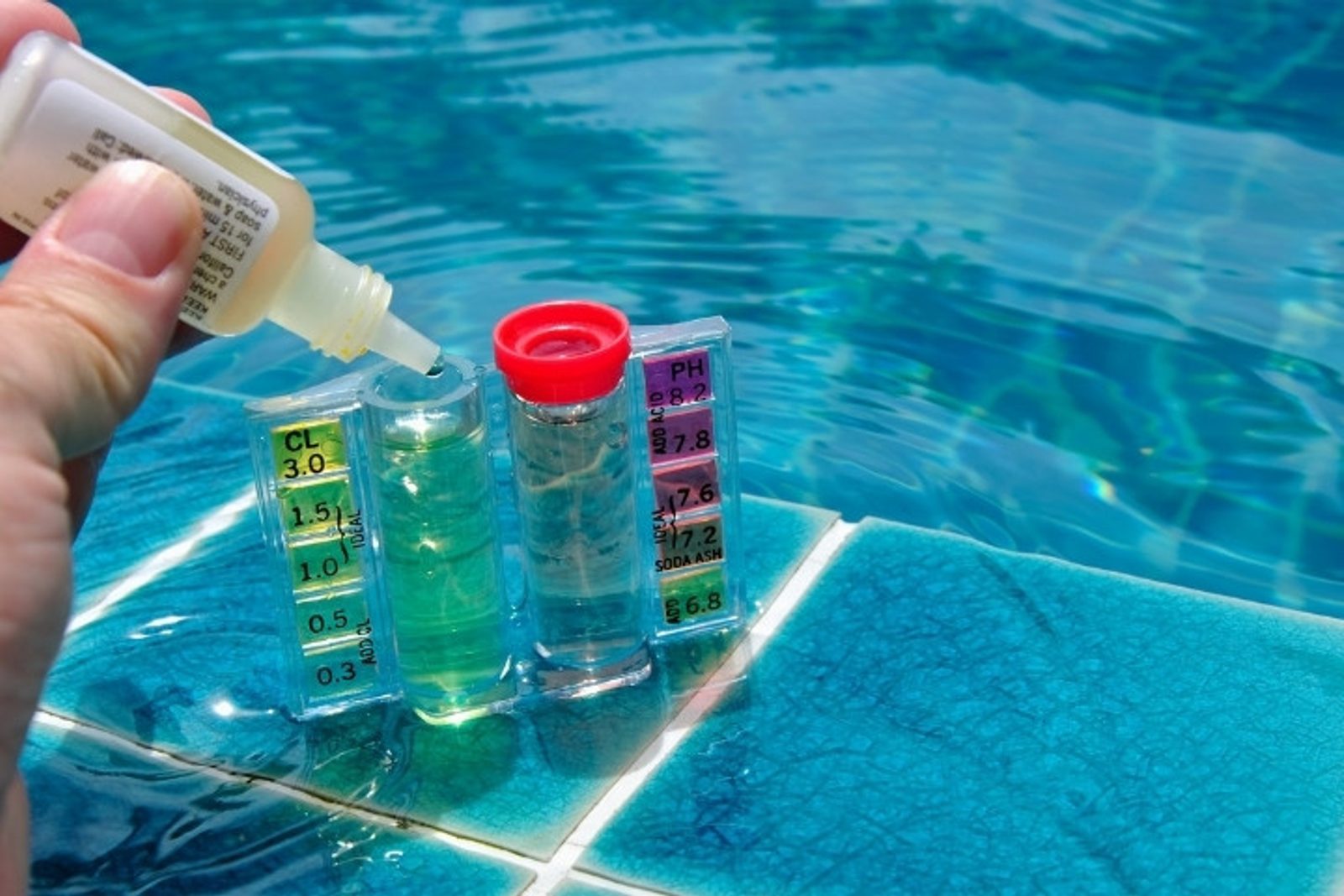
One of the most common mistakes pool owners make is only testing the water when the pool looks cloudy or someone complains of eye irritation. By that point, the imbalance has already been developing for days.
Testing two to three times per week during peak season gives you a real-time picture of your water chemistry. You are looking at several key values:
- Free chlorine: This is your active sanitizer. Keep it between 1.0 and 3.0 parts per million. Low free chlorine means bacteria and algae have an opening.
- pH balance: The ideal range is 7.4 to 7.6. pH that drifts too high or too low reduces chlorine's effectiveness and can cause skin and eye irritation.
- Total alkalinity: This acts as a buffer for pH, keeping it from swinging dramatically. Target 80 to 120 parts per million.
- Calcium hardness: Low calcium causes water to pull minerals from your pool surfaces and equipment. High calcium leads to scale buildup on pool walls and plumbing. Aim for 200 to 400 parts per million.
- Cyanuric acid: This stabilizer protects chlorine from UV degradation. Keep it between 30 and 50 parts per million for outdoor pools in Atascocita's direct sunlight.
What to Use for Testing
Liquid test kits offer more accuracy than test strips and are worth the small additional effort. If you prefer convenience, digital testers provide reliable readings with less margin for error. Regardless of which method you choose, consistency matters more than perfection. Test at the same time of day, ideally in the morning before the sun burns off chlorine.
Stay on Top of Debris Before It Creates Bigger Problems
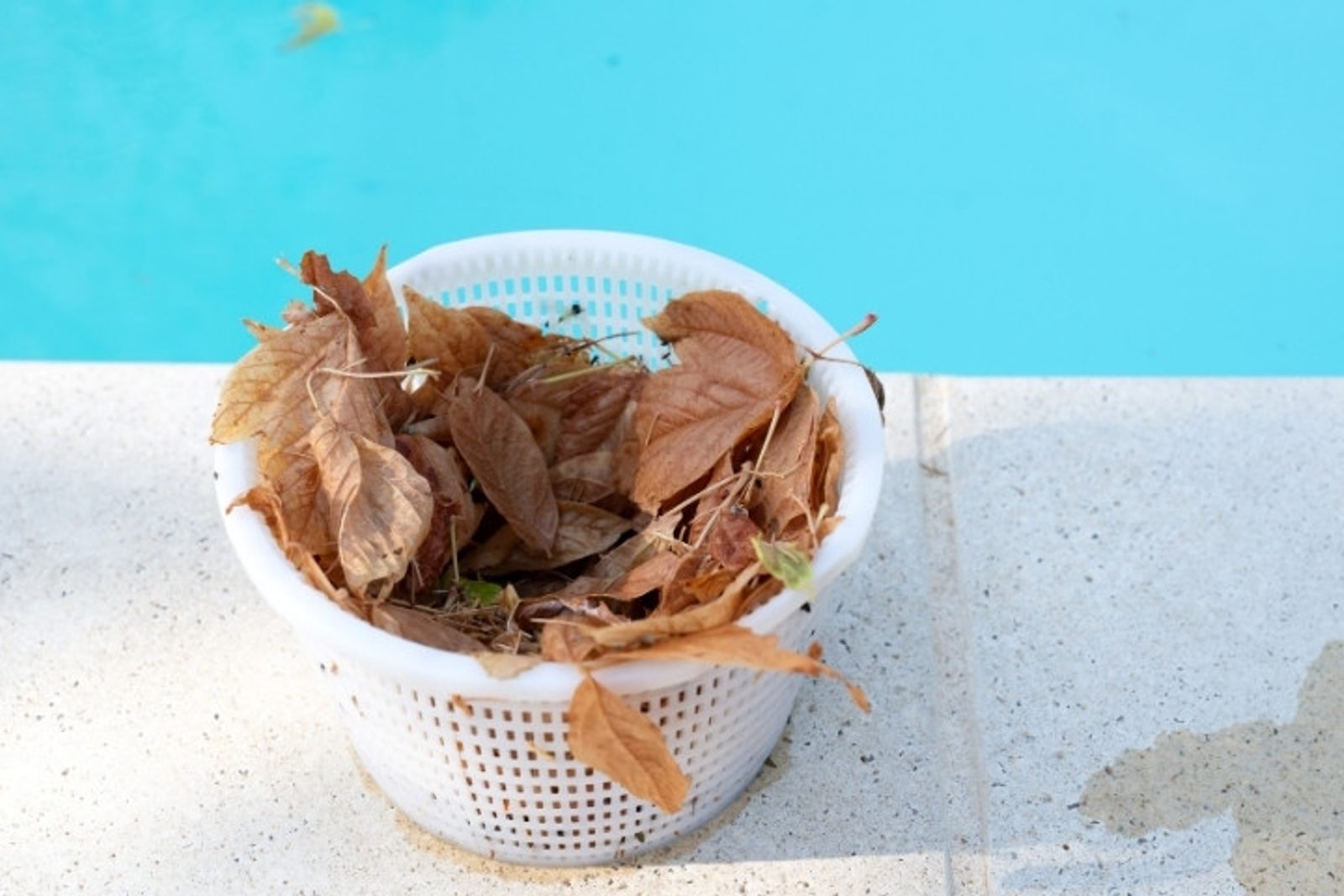
Atascocita homeowners deal with leaf debris, mulch runoff, and pollen in volumes that can overwhelm a pool filter faster than most people expect. Organic material that sits in the water consumes chlorine rapidly, which is why your readings can drop significantly overnight following a storm or during heavy pollen season.
Build these habits into your weekly routine:
- Skim the surface daily during high debris periods. A surface skimmer removes leaves and debris before they sink, decompose, and feed algae.
- Empty skimmer baskets and pump baskets at least twice per week. Clogged baskets restrict water flow and force your pump to work harder than it should.
- Vacuum the pool floor weekly. Even when water looks clear, fine debris settles on the floor and creates conditions for algae to take hold in low-circulation areas.
- Brush pool walls, steps, and the floor regularly. Brushing disrupts early algae colonies and calcium deposits before they become visible problems. This step is often skipped because the pool appears clean, but brushing is one of the highest-impact habits you can build.
After a storm in Atascocita, treat your pool as though it has been compromised until you have tested and adjusted the water chemistry. Run your pump longer, shock if needed, and check your filter pressure.
Understand Your Equipment and What It Is Telling You
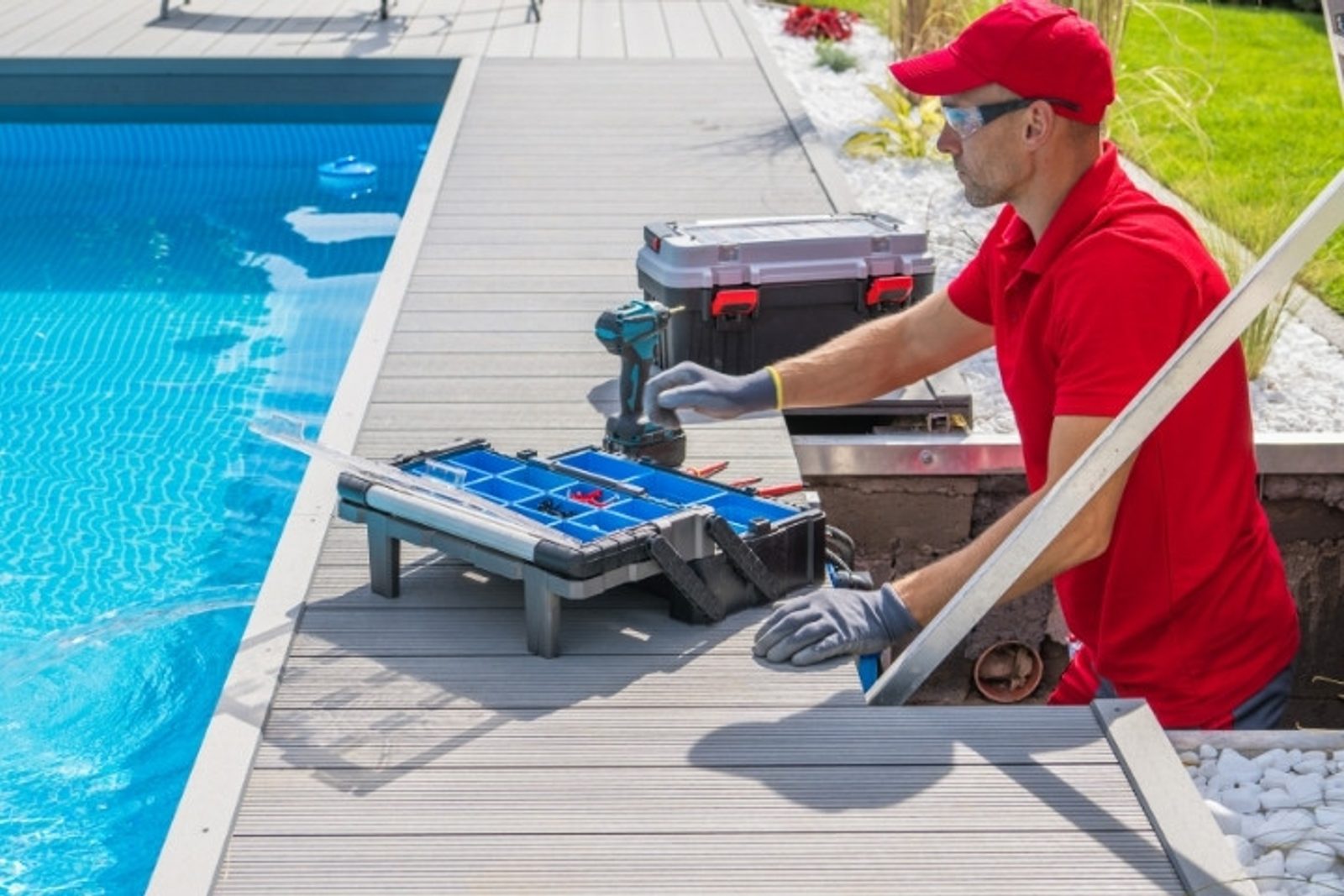
Your filtration system is doing the heavy lifting between maintenance visits. Knowing what normal looks like makes it much easier to catch problems early.
Circulation and Pump Health
Your pump should run long enough each day to turn over the entire volume of your pool water at least once. In Atascocita's heat, running the pump 8 to 12 hours per day during summer is a reasonable baseline. Poor circulation creates dead zones in the water where algae and bacteria can grow without being exposed to your sanitizer.
Signs your pump may be struggling:
- Unusual noise or vibration during operation
- Reduced water flow through return jets
- Air bubbles returning through the jets, which suggests an air leak on the suction side
- The pump losing prime repeatedly
Filter Maintenance and Pressure Monitoring
Monitor the pressure gauge on your filter regularly. When pressure rises 8 to 10 PSI above your clean baseline, it is time to backwash a sand or DE filter or clean a cartridge filter. Running a filter under high pressure reduces water flow and increases strain on the pump.
Filter cleaning should happen on a schedule, not just when pressure spikes. Cartridge filters benefit from a deep cleaning with filter cleaner solution every few months to remove oils and calcium deposits that backwashing alone won't clear.
Watch Your Water Level and Know When to Shock
Maintaining the Correct Water Level
Your water level should sit at the midpoint of your skimmer opening. Too low and the pump pulls air, risking damage to the motor. Too high and the skimmer cannot effectively collect surface debris.
In Atascocita, heavy summer storms can raise water levels significantly. If the pool overflows or comes close, you may need to drain some water to restore proper circulation and avoid contaminants introduced by storm runoff.
When to Use Shock Treatment
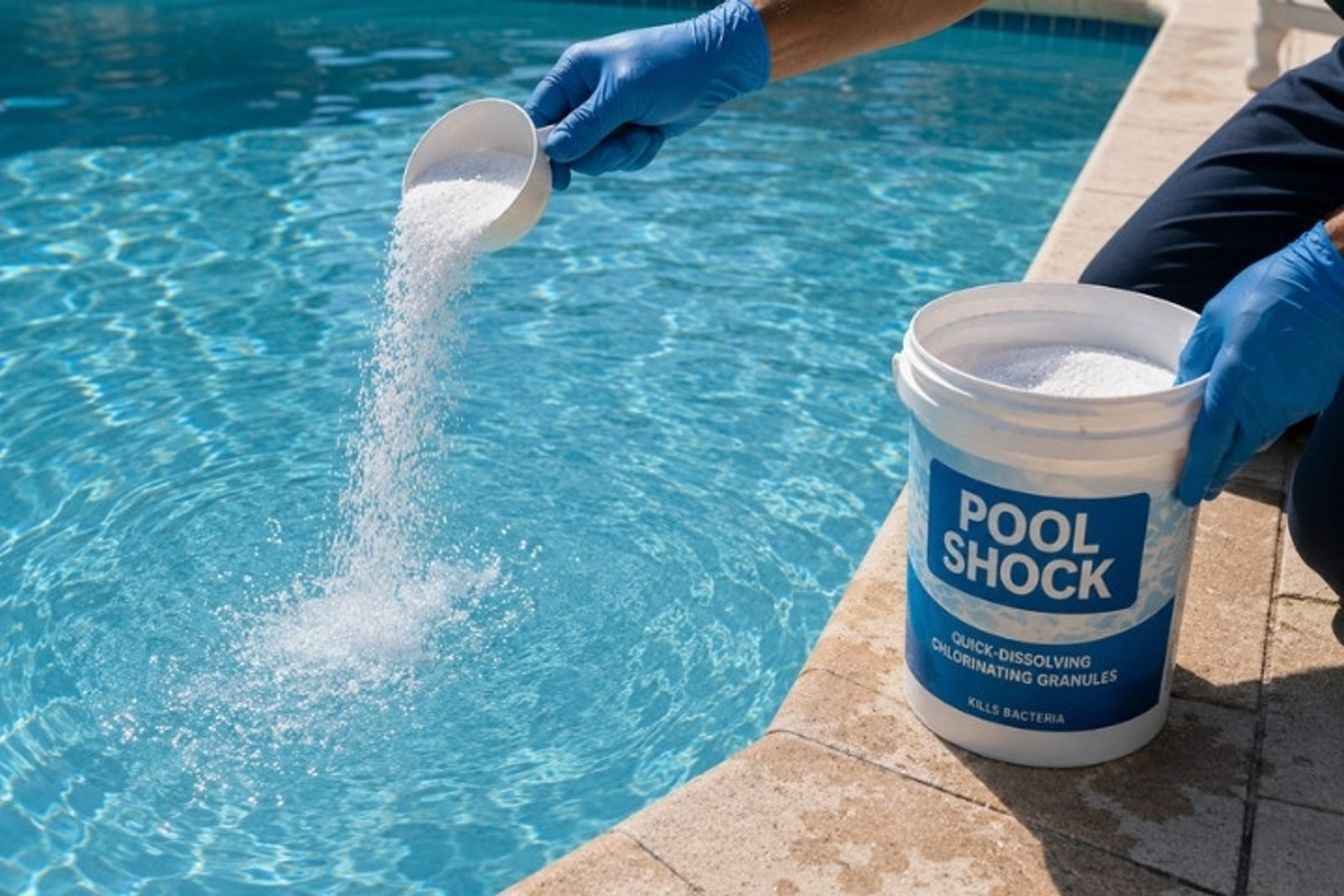
Shock treatment raises free chlorine to a level high enough to break down chloramines and kill algae or bacteria. You should shock your pool when:
- Water appears cloudy or has a strong chlorine odor, which typically indicates chloramine buildup rather than excess chlorine
- Algae is visible on surfaces or the water is turning green
- The pool has had heavy use or a pool party
- After a major storm that introduced large amounts of organic debris
- When free chlorine drops below 1.0 parts per million and takes time to recover after adjustment
Use shock after sunset to prevent UV degradation and allow the chlorine level to return to a safe swimming range before the pool is used again.
Know the Difference Between DIY Maintenance and Professional Service
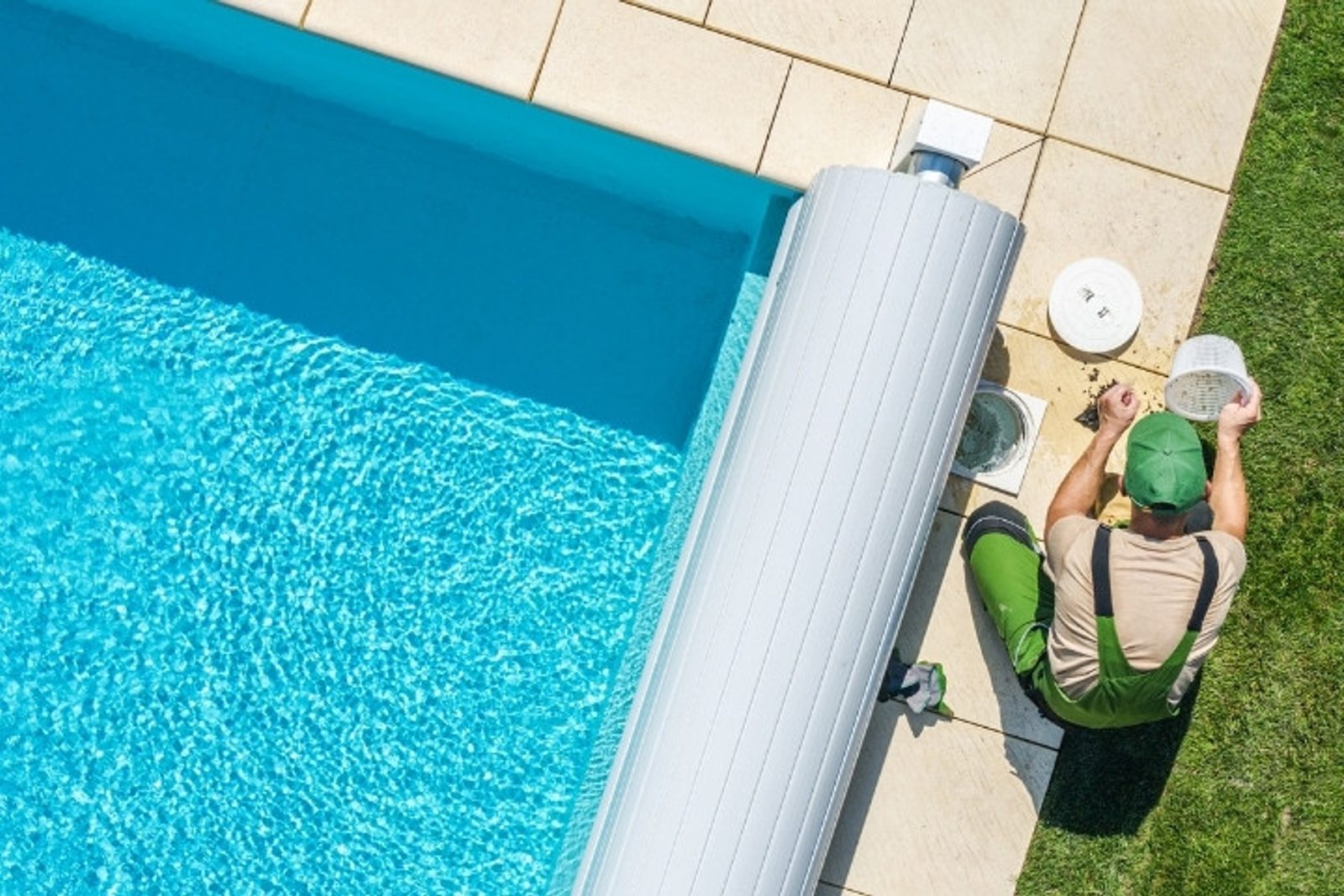
There is a clear line between what pool owners can manage on their own and what requires a licensed pool service professional.
Tasks you can and should handle yourself include:
- Routine water testing and chemical adjustment
- Skimming, vacuuming, and brushing
- Emptying skimmer and pump baskets
- Monitoring equipment pressure and run times
- Topping off water levels
Tasks that are better handled by a licensed professional include:
- Equipment repair or replacement, including pumps, motors, and automation systems
- Diagnosing persistent chemical imbalance that does not respond to standard adjustment
- Pool surface repairs, stain treatment, or resurfacing
- Leak detection and structural concerns
- Seasonal startup and closing services
Relying on a professional for the right tasks protects your investment and ensures repairs are done correctly. In Atascocita, where the swim season stretches across most of the year, catching equipment problems early through professional inspection can prevent failures during peak summer use.
Build a Routine That Fits Atascocita's Season
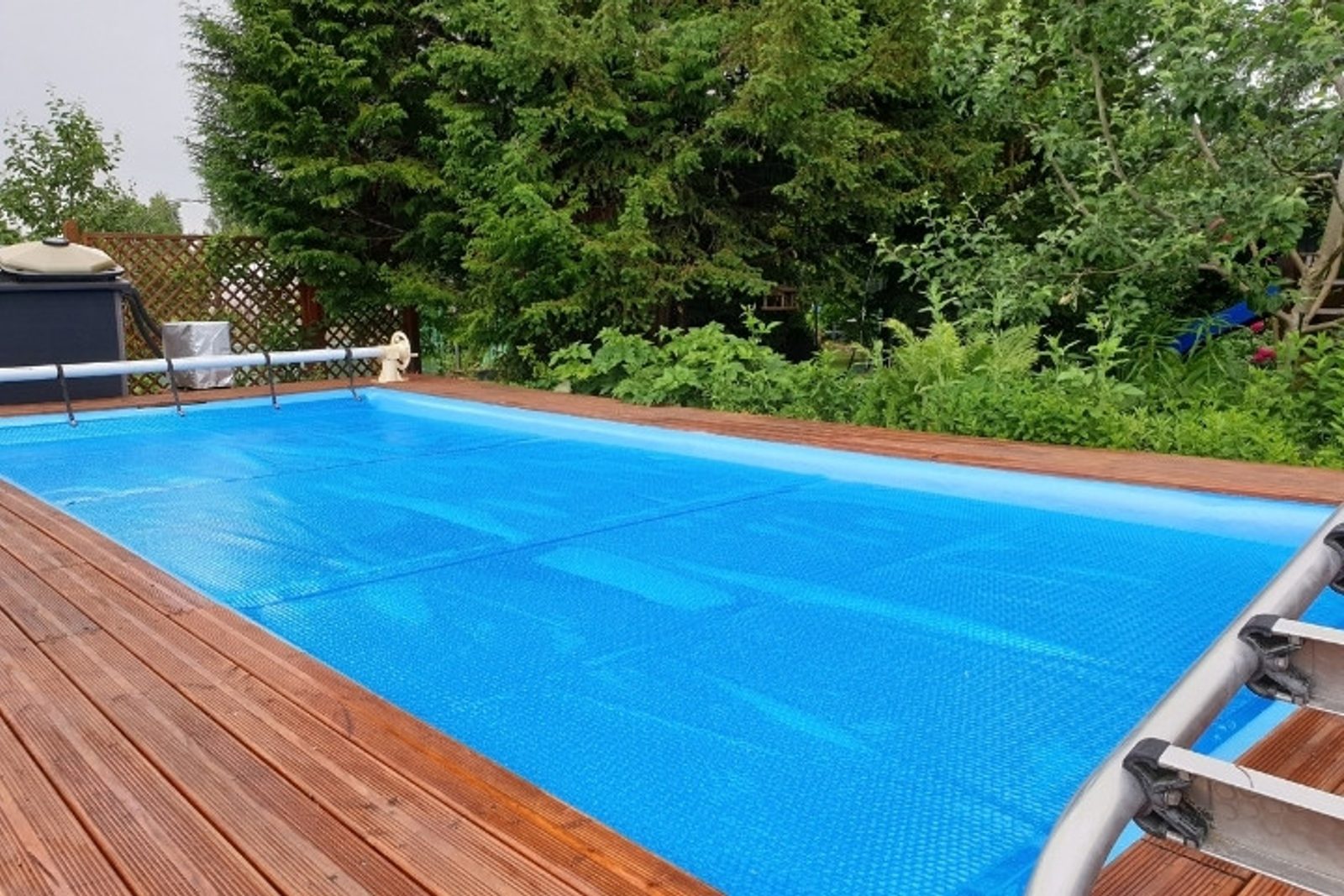
The best pool maintenance plan is one you actually follow. In this climate, that means adjusting your habits based on the season.
- Spring: Increase testing frequency as pollen season peaks. Inspect all equipment before heavy summer use begins.
- Summer: Test two to three times per week, run the pump longer, and be prepared to shock after storms.
- Fall: Do not ease up early. Atascocita's warm fall temperatures mean algae risk remains elevated well past Labor Day.
- Winter: Monitor equipment, maintain minimal chemical balance, and address any repairs during the slower season so you are not scrambling in March.
Preventive maintenance costs a fraction of what reactive repairs demand. A clean, balanced pool does not happen by accident in this climate. It happens because the owner built the right habits.
Ready to Get Professional Support for Your Atascocita Pool?
Whether you are dealing with persistent water chemistry issues, aging equipment, or simply want a professional team to handle the details, GM Outdoor Living, Pool & Spa is here to help. Our team understands the demands that Houston-area weather places on your pool and the level of care it takes to keep your water clean, your equipment running, and your backyard enjoyable all season long.
Contact GM Outdoor Living, Pool & Spa today or Visit our office in Humble to schedule a consultation and learn more about our pool service and maintenance options.
Related Articles

Planning Custom Patio Installation Around Your Pool
Your pool and patio should work as one system. Learn how smart planning prevents drainage problems, hot surfaces, awkward walkways, and costly construction changes.

Why Pool Water Turns Green: What's Really Happening in Your Pool
Houston storms can undo balanced pool chemistry in hours. Discover why rain, sunlight, and low chlorine create the perfect setup for green water.

Common Pool Problems and What's Causing Them
Dealing with cloudy, green, or smelly pool water? Discover the most common pool problems, what causes them, and when to call a pro.