Complete Pool Renovation Guide From Houston Pool Builders

Your pool has been the centerpiece of your backyard for years, but lately something feels off. Maybe the surface looks rough and stained, the coping around the edge is cracked, or the equipment is running louder than it used to. If you are asking yourself whether it is time for a renovation, you are asking the right question.
Pool renovation is one of the most common projects Houston pool builders handle, and for good reason. The Gulf Coast climate is hard on pool surfaces, equipment, and decking in ways that homeowners in other parts of the country simply do not experience. Between the intense summer heat, extended swim seasons that stretch well beyond what most regions see, and the occasional hard freeze that catches unprepared pools off guard, Houston pools age on an accelerated timeline.
This guide will walk you through everything involved in a pool renovation, from the initial assessment through the completed project. Whether you are looking at a full-scale remodel or trying to figure out which updates make the most sense to prioritize first, understanding the process will help you have a more informed conversation with your pool contractor.
What Pool Renovation Actually Means
Pool renovation is a broad term that covers a range of projects, from targeted repairs to complete structural and aesthetic overhauls. It is not the same as building a new pool, but it shares some of the same planning requirements and many of the same trades.
At the surface level, pool remodeling might involve resurfacing the interior finish, replacing tile and coping, or updating the deck around the pool. At a deeper level, it can include structural repairs to the shell itself, equipment replacement, plumbing upgrades, and adding features like spas, water features, or automation systems.
The scope of any given renovation is driven by the condition of the existing pool and what the homeowner wants to achieve. A good Houston pool builder will not try to sell you more renovation than your pool actually needs, but they will also be honest when a surface-level fix will not solve an underlying structural issue.
How Houston Pool Builders Assess an Existing Pool
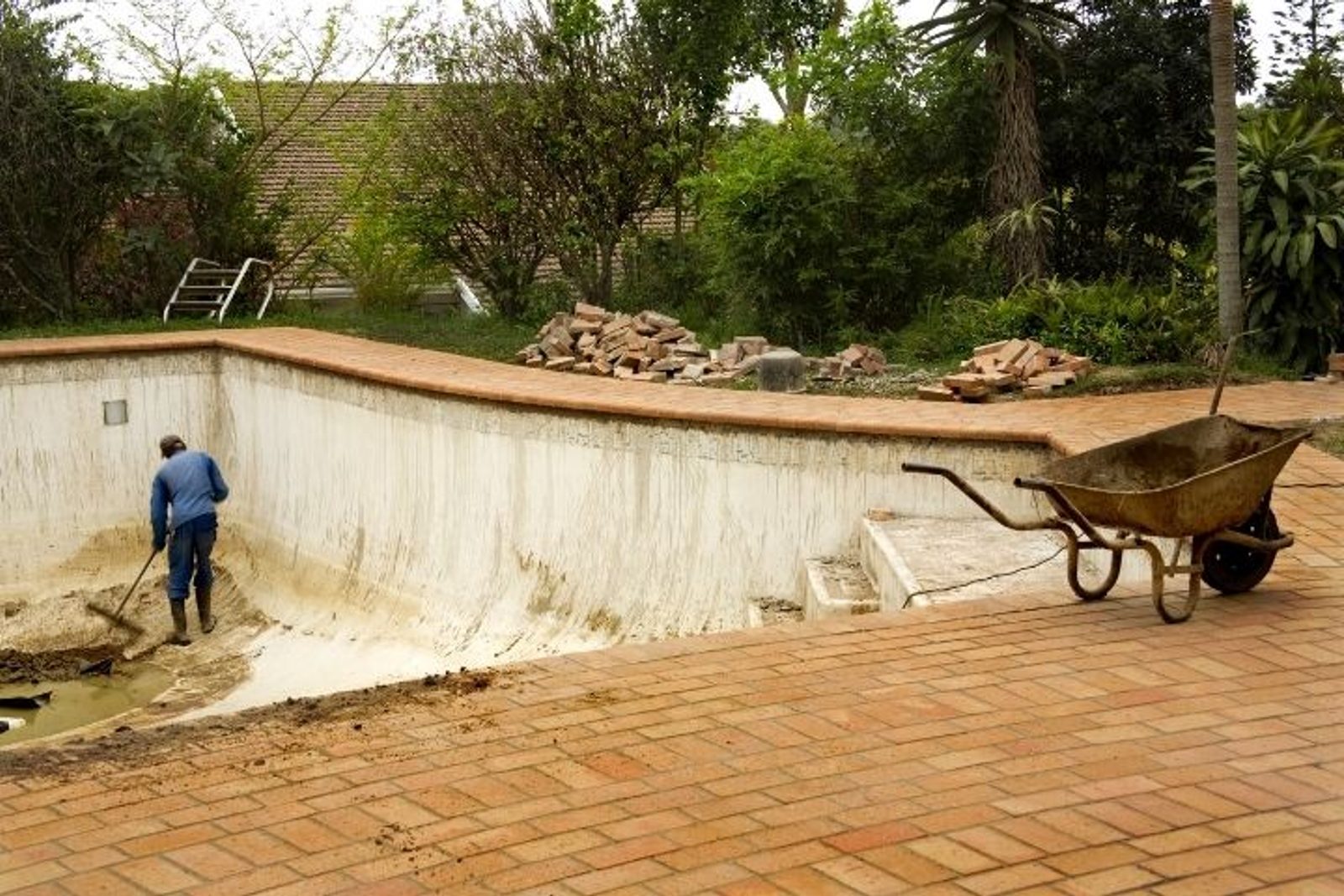
Before any renovation work is recommended, a qualified pool builder will conduct a thorough inspection of your existing pool. This assessment is the foundation of an accurate renovation scope and cost estimate. Skipping this step, or accepting a renovation bid without it, is a common mistake that leads to surprises during construction.
Structural Evaluation
For gunite and concrete pools, the shell itself is the first thing a builder will evaluate. This involves looking for:
- Horizontal cracks, which can indicate shifting soil or structural stress
- Bulging or bowing walls, which point to hydrostatic pressure or soil movement
- Pool crack patterns that suggest movement versus settling
- Evidence of pool leaks, including soggy soil around the shell or unexplained water loss
- The overall age and condition of the gunite shell, which affects what renovations are realistic
In Houston specifically, soil conditions play a significant role in pool shell integrity. The clay-heavy soils common throughout the Greater Houston area expand and contract with moisture changes, which puts ongoing stress on pool structures. A pool inspector who understands local soil behavior will factor this into their assessment.
Surface Condition Review
Pool surface issues are often the most visible sign that renovation is overdue. Common indicators include:
- Pool discoloration or staining that does not respond to chemical treatment
- Rough pool surface texture that tears swimsuits or irritates skin
- Pool chalking, where the plaster is breaking down and releasing calcium into the water
- Waterline cracks or erosion at the tile line
- Spalling or chipping in the pool finish
Surface issues typically call for pool resurfacing or pool replastering, which is a less invasive renovation than structural work. However, the builder needs to confirm that the surface problems are not a symptom of something going on underneath before proceeding with a surface-only repair.
Equipment and Plumbing Inspection
The mechanical side of the pool is evaluated separately. This includes the pump, filter, heater, automation system, and plumbing lines. Builders are looking for equipment that is undersized, outdated, or failing. Pool leak detection may also be performed if unexplained water loss is part of the picture.
How Houston's Climate Accelerates Pool Wear
Periodic pool renovation is not a sign of poor construction. In Houston, it is simply a reality of pool ownership. The Gulf Coast environment creates conditions that wear on pool surfaces, equipment, and decking faster than the national average. Understanding why helps homeowners plan and budget proactively rather than react to failures.
Intense Heat and UV Exposure
Houston summers are long and brutal. Pool surfaces that are exposed to intense UV radiation for six or more months out of the year break down faster than surfaces in cooler climates. Plaster finishes fade, pool decking materials degrade, and equipment seals and gaskets deteriorate under sustained heat exposure. Pool surface repair becomes necessary sooner when UV exposure is this consistent.
Extended Swim Season
Houston homeowners get more use out of their pools than homeowners in most parts of the country. That extended swim season means more hours of chemical exposure, more mechanical run time on equipment, and more physical wear on the pool surface. A pool that would last 15 years in a northern climate may need resurfacing in 8 to 10 years in Houston. This is not unusual, and planning for it financially makes the renovation process far less stressful.
Hard Freeze Events
Houston is not a cold-weather city, but it does experience hard freezes periodically, and when they arrive, pools that are not properly winterized or protected can sustain significant damage. Pipes can crack, equipment can fail, and pool surfaces can be compromised. Hard freeze pool protection protocols exist for a reason, and the aftermath of an unprotected freeze is one of the more common reasons Houston pool owners find themselves looking at a renovation project unexpectedly.
The Most Common Pool Renovation Projects
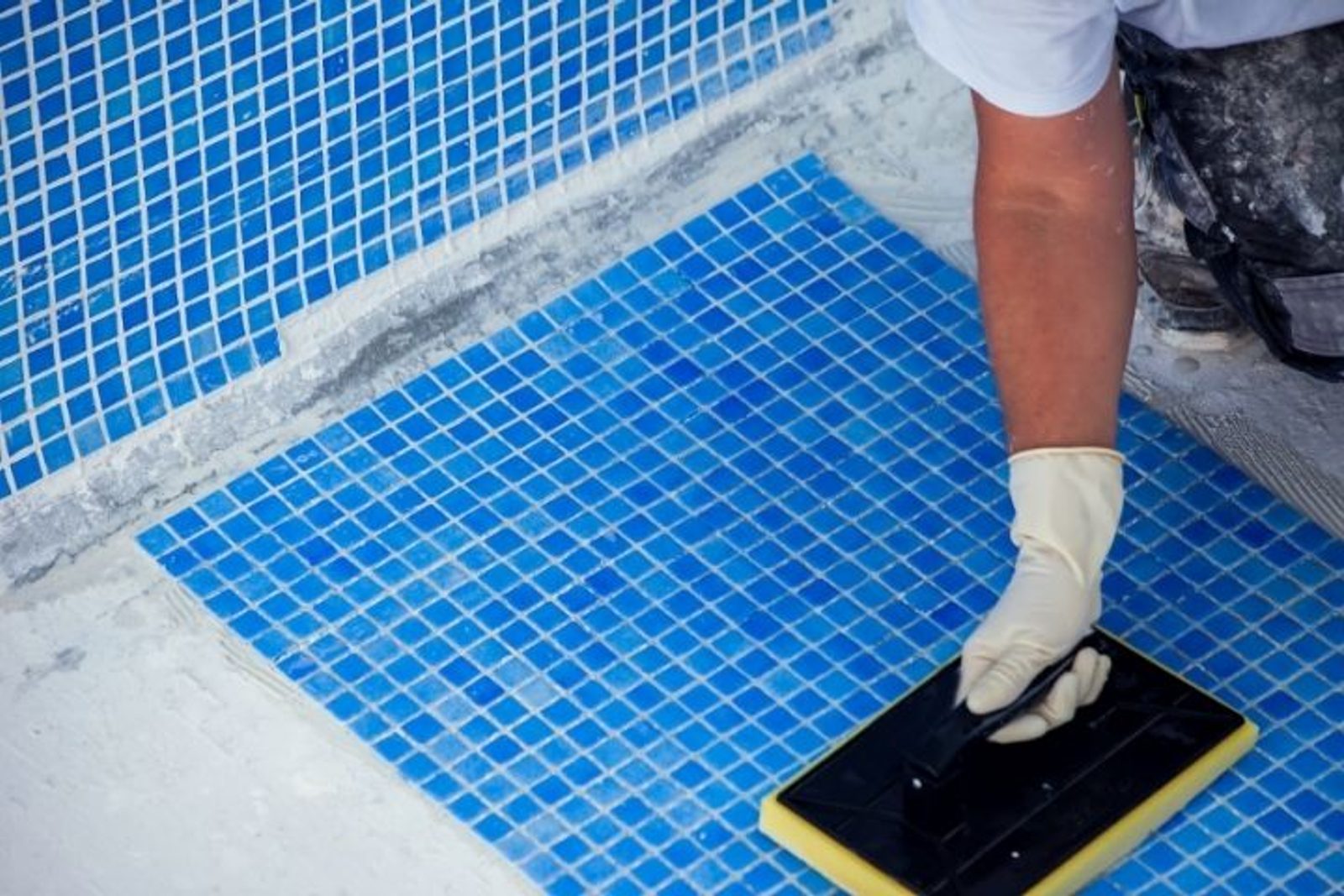
Once the assessment is complete, the builder will walk you through the renovation options that make sense for your specific pool. Here is what each major renovation category involves.
Pool Resurfacing and Replastering
Pool resurfacing is the most frequently requested renovation in Houston. It involves removing the existing interior finish down to the shell and applying a new finish material. Pool finish options include:
- Standard plaster pool finish: the most economical option, available in white and gray tones, with a typical lifespan of 7 to 10 years in Houston's climate
- Pebble pool finish: a more durable and visually textured option that lasts considerably longer than standard plaster and holds up better under chemical exposure
- Quartz and aggregate finishes: a mid-range option between plaster and pebble, offering improved durability and a smoother finish than pebble
The right choice depends on your budget, how long you plan to stay in the home, and how much maintenance you are willing to manage. A pebble pool finish costs more upfront but typically delivers a better long-term value in Houston's conditions.
Tile and Coping Replacement
Pool tile types vary from glass mosaic to ceramic to natural stone, and each has different maintenance and durability profiles. The waterline tile is particularly vulnerable to chemical exposure, calcium buildup, and staining. Tile and coping replacement is often done in conjunction with resurfacing since the pool is already drained and empty.
Pool coping materials, the cap that runs along the edge of the pool shell, also take a lot of wear. Cracks in the coping can allow water to penetrate behind the shell, leading to more significant structural issues over time. Replacing worn or cracked coping during a renovation prevents that from becoming a larger problem down the road.
Pool Deck Updates and Repair
The concrete pool deck surrounding your pool takes a significant amount of abuse in Houston. Heat causes expansion and contraction, heavy rainfall and occasional flooding put pressure on drainage systems, and the sheer volume of foot traffic wears surfaces down. Pool deck repair may involve patching cracked or sunken sections, resurfacing with a new overlay, or replacing the deck material entirely with options like:
- Travertine or natural stone pavers
- Large format porcelain pavers
- Brushed or stamped concrete overlays
- Exposed aggregate concrete
Deck updates are also an opportunity to improve drainage, which is especially important in the Greater Houston area where heavy rainfall can overwhelm inadequate grading and drainage systems.
Pool Equipment Upgrades
Equipment technology has improved dramatically in the past decade. If your pool was built more than ten years ago, the mechanical systems are likely operating less efficiently than what is currently available. Common pool equipment upgrades include:
- Pool pump upgrades: variable-speed pumps use significantly less energy than single-speed units and typically pay for themselves within a few years through reduced utility costs
- Pool heater upgrades: modern heat pumps and gas heaters are more efficient and better sized for extended Houston swim seasons
- LED pool lighting upgrades: LED pool lighting replaces older incandescent or halogen fixtures with longer-lasting, more energy-efficient options that also offer color-changing capabilities
- Automation systems: pool automation allows remote control of pumps, lighting, heaters, and features through a smartphone or tablet
Equipment upgrades can often be done independently of a full renovation, making them a good option for homeowners who want improved functionality without committing to a complete remodel.
Feature Additions During Renovation
A renovation is also an opportunity to add features that were not part of the original pool design. Common feature additions include:
- Pool spa addition or spillover spa: adding a raised or attached spa to an existing pool is a popular renovation upgrade in Houston
- Pool water features: deck jets, bubblers, and sheet waterfalls add visual interest and sound
- Pool fountain addition: standalone or integrated fountain elements can transform the look of an older pool
- Pool overflow feature: vanishing edge or overflow effects are achievable on some existing pools depending on the structural configuration
Adding features during a renovation is generally more cost-effective than returning later for a separate project. When the pool is already drained and contractors are on site, the incremental cost of adding a feature is lower than mobilizing for it independently.
How Renovation Differs From New Pool Construction
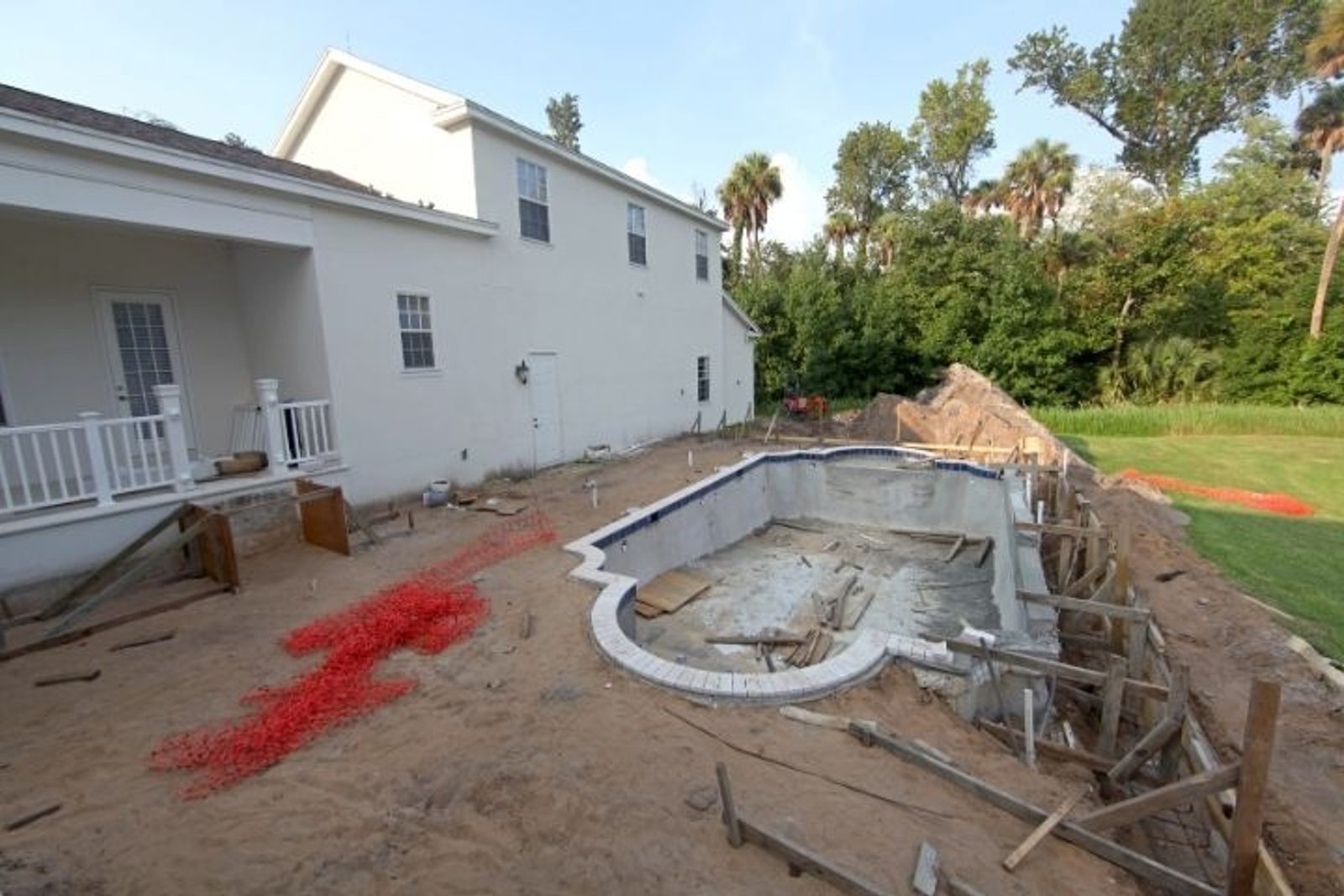
Pool renovation and new pool construction share some similarities in trade involvement and material selection, but the approach is meaningfully different. Understanding the distinction helps set expectations for how your renovation project will unfold.
Permitting Requirements for Pool Renovation in Houston
Pool permitting requirements in Houston vary depending on the scope of the renovation. A straightforward resurfacing project may not require a permit, while structural repairs, equipment upgrades that affect plumbing or electrical systems, or significant additions like a spa typically do. Your pool builder should be familiar with local permitting requirements and handle this on your behalf. TDLR licensing requirements apply to licensed pool contractors in Texas, and any firm you hire should be able to confirm their credentials.
HOA guidelines are also worth reviewing before finalizing a renovation scope. Some communities in Montgomery County, The Woodlands, and surrounding areas have specific restrictions on deck materials, fence requirements related to pool additions, or approval processes for exterior changes.
Construction Sequencing for Existing Pool Updates
When working with an existing pool, the construction sequence is driven by what is already in place. The pool cannot be demolished and rebuilt the same way a new build starts from scratch. Instead, contractors work around the existing shell, which affects scheduling for draining, structural work, surface application, and equipment installation.
A typical Houston pool renovation timeline runs between three and eight weeks depending on the scope. Resurfacing alone is generally faster. Projects that combine structural repair, deck replacement, and feature additions take longer. Your builder should provide a clear project schedule during the planning phase so you know when the pool will be out of service.
How to Prioritize When You Cannot Do Everything at Once
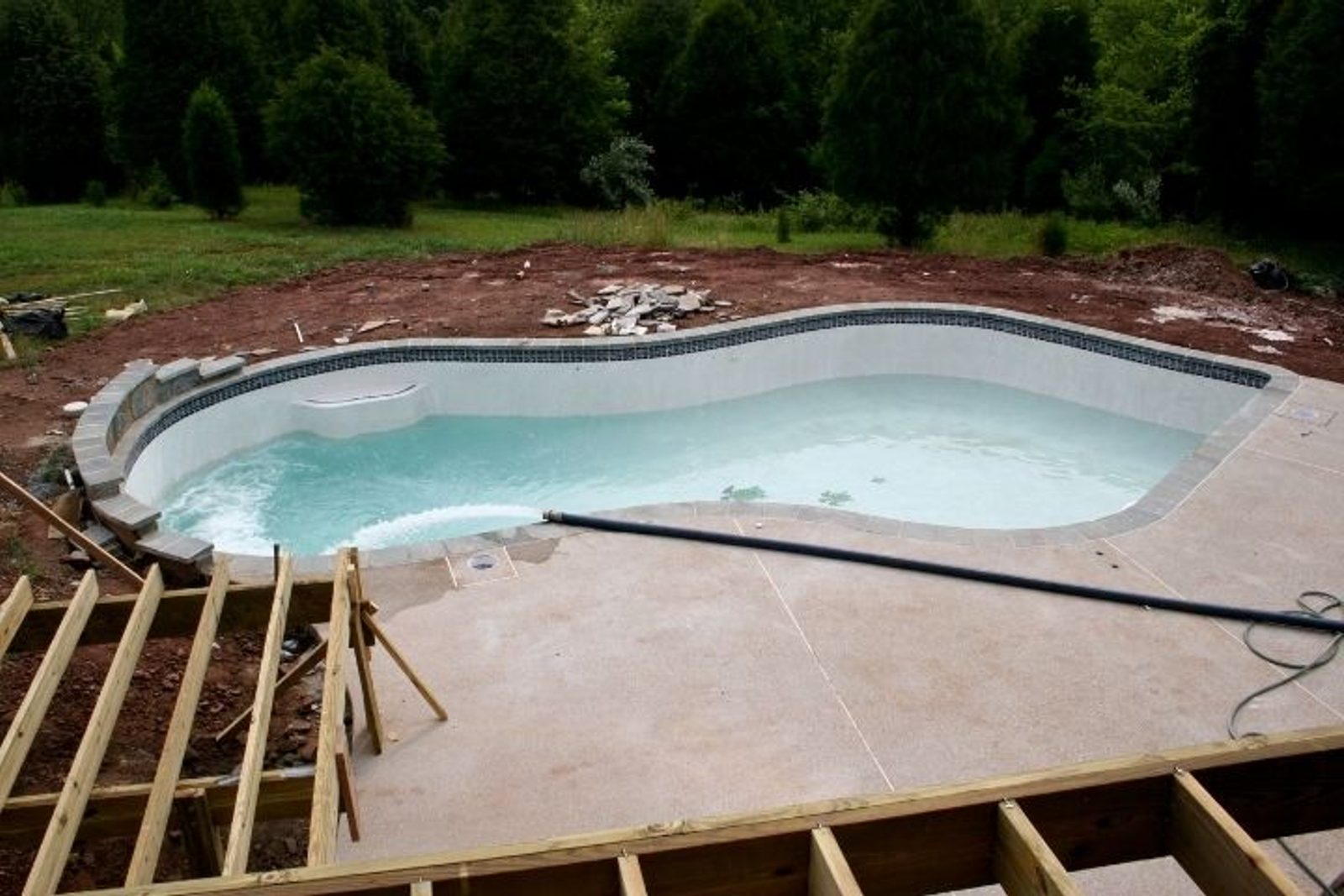
A full-scale Houston pool renovation is an investment, and not every homeowner is in a position to tackle everything at once. The good news is that phased pool renovation is a legitimate approach, as long as the sequencing makes sense.
Here is a general priority framework for deciding what to address first:
- Address structural issues first. Pool crack repair and structural evaluation findings should always be resolved before cosmetic work. Applying a new finish over a compromised shell is a waste of money.
- Resolve pool leaks before anything else. If pool leak detection reveals active leaks, those must be repaired before resurfacing or any other renovation work proceeds.
- Pair resurfacing with tile and coping if the pool is already drained. The incremental cost of replacing tile and coping when the pool is empty is much lower than returning for it later.
- Prioritize equipment that affects safety or is failing. A pump that is failing or a heater that is not functioning properly should be replaced before decorative features are added.
- Plan feature additions for a phase two. Spas, water features, and LED lighting upgrades are desirable but can be scheduled for a later phase without affecting the primary renovation outcome.
A reputable pool builder will help you map out a renovation plan that respects your budget while keeping the sequencing logical. Avoid contractors who push you toward a comprehensive renovation scope without first assessing what your pool actually requires.
What Homeowners Can Expect During Pool Renovation
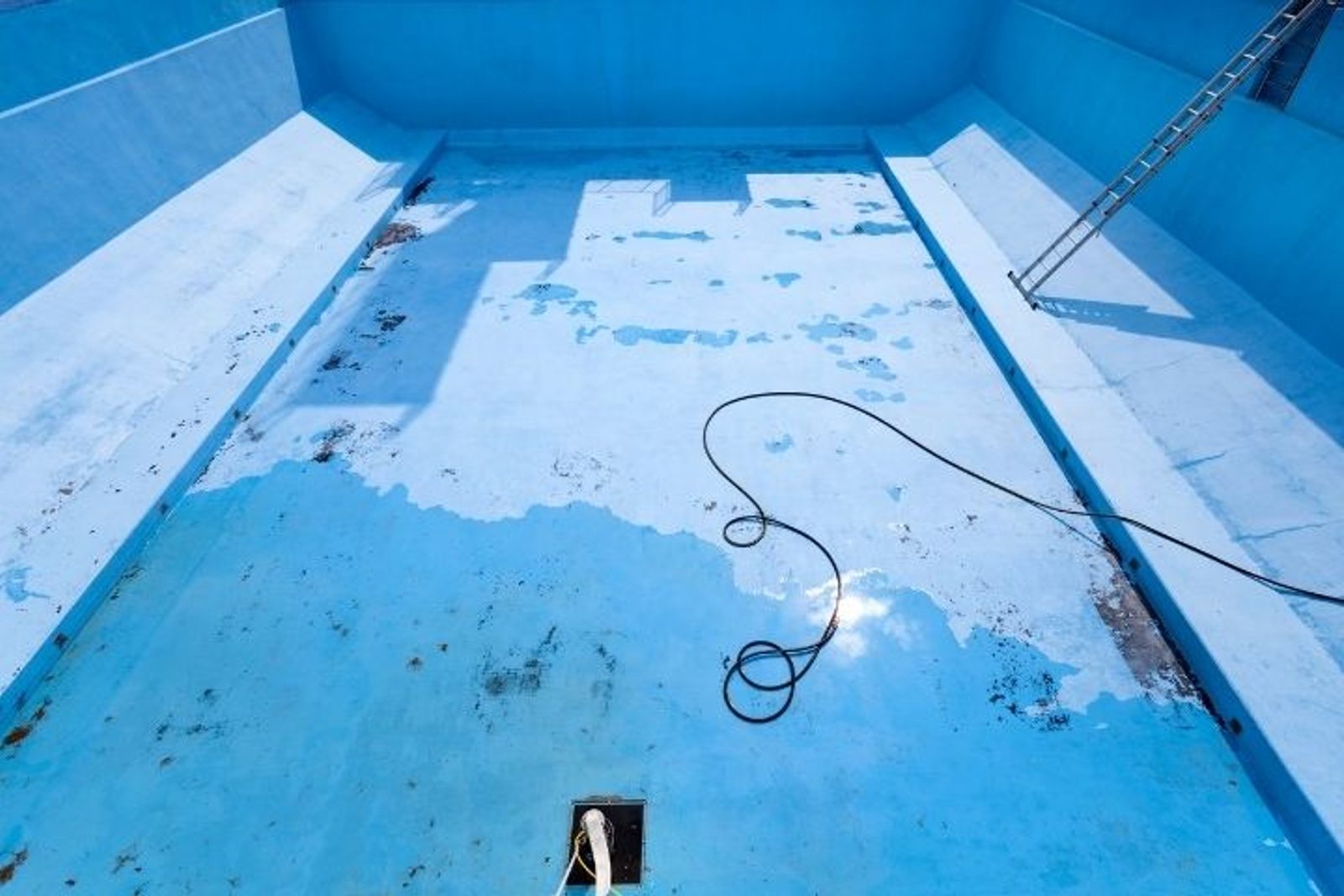
The pool renovation process from a homeowner's perspective typically follows this path:
- Initial Houston pool inspection and assessment by the builder
- Renovation scope discussion and pool renovation cost proposal
- Permitting, where required by the project scope
- Pool draining and surface preparation
- Structural repair, if needed, before any surface work begins
- Surface application, tile work, and coping installation
- Deck renovation and drainage updates
- Equipment installation and plumbing connections
- Pool filling, chemical startup, and balance
- Final walkthrough and homeowner orientation
The pool renovation process is methodical, and a good contractor will keep you informed at each phase. Do not hesitate to ask for a project timeline, a clear scope of work in writing, and clarification on what is and is not included in the renovation contract.
Choosing the Right Pool Builder for Your Houston Renovation
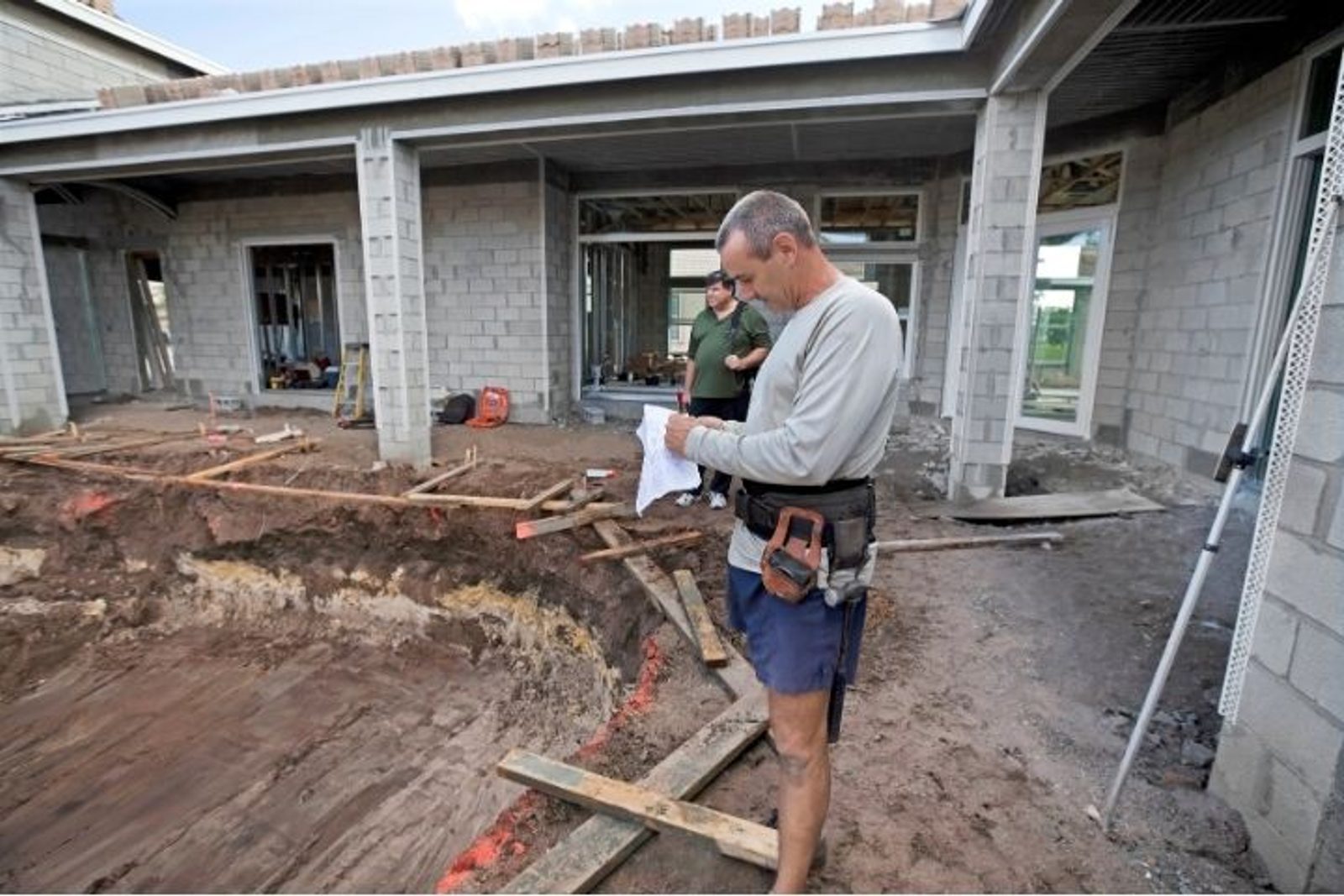
Not all Houston pool companies approach renovation the same way. When evaluating pool builders for a renovation project, look for contractors who:
- Conduct a full structural evaluation before quoting a scope
- Can clearly explain which issues are structural versus surface-only
- Are familiar with Houston permitting procedures and HOA considerations
- Hold valid TDLR licensing and carry appropriate insurance
- Offer a written contract with a defined scope and timeline
- Have a portfolio of completed inground pool renovation projects in the Houston area
Gunite pool renovation and concrete pool renovation work requires contractors with specific experience in the materials and methods involved. Verify that the company you hire has direct experience with the type of pool you own.
Ready to Start Your Pool Renovation in Houston?
If your pool is showing signs of wear or you are ready to upgrade your backyard with a renovation, the team at GM Outdoor Living, Pool & Spa is here to help. From initial pool assessment through completed project, we guide Houston homeowners through every step of the pool renovation process with the expertise and local knowledge the Gulf Coast climate demands.
We serve homeowners throughout Houston, The Woodlands, Conroe, Tomball, and Montgomery County from our offices in Humble and Houston. Whether you are looking at a straightforward pool resurfacing project or a full inground pool renovation with new features and equipment, we are ready to put together a renovation plan built around your pool's specific condition and your goals.
Contact GM Outdoor Living, Pool & Spa today to schedule your consultation. Reach out to our Humble or Houston locations and take the first step toward a pool that looks, feels, and performs like new.
Related Articles

How to Plan a Custom Outdoor Kitchen in Houston: A Step-by-Step Guide for Homeowners
Before you choose a grill or a layout, get the planning right. Here's how Houston homeowners can prepare for a custom outdoor kitchen, from space and utilities to drainage and HOA approval.

Planning Custom Patio Installation Around Your Pool
Your pool and patio should work as one system. Learn how smart planning prevents drainage problems, hot surfaces, awkward walkways, and costly construction changes.

Why Pool Water Turns Green: What's Really Happening in Your Pool
Houston storms can undo balanced pool chemistry in hours. Discover why rain, sunlight, and low chlorine create the perfect setup for green water.