Pool Automation 101 for Smarter and Easier Pool Control

Ever wondered if your pool could take care of itself while fitting into your busy lifestyle? Pool automation makes that dream a reality. With a few smart components and simple setup, you can automate heating, cleaning, lighting, and more, transforming pool maintenance into something practically invisible. In this guide, you will learn how pool automation works, what equipment you need, installation tips, and how to integrate your system into a connected smart home setup.
What Is Pool Automation and Why Does It Matter?
Pool automation refers to a smart system that controls your pool's functions—like pumps, heaters, lights, and chemistry—based on schedules, sensors, or remote commands. For busy Houston homeowners, it means less time spent on maintenance and more time enjoying the water.
Here are some key benefits of pool automation:
* Lower energy costs – Equipment runs only when needed, saving electricity and money
* Balanced water chemistry – Sensor feedback helps keep levels stable automatically
* Extended equipment life – Optimized run times reduce wear and manual errors
* Improved safety – Leak detection and alarms can prevent damage or accidents
* More time to relax – Focus on fun, not fussing with pool controls
Core Components of a Pool Automation System
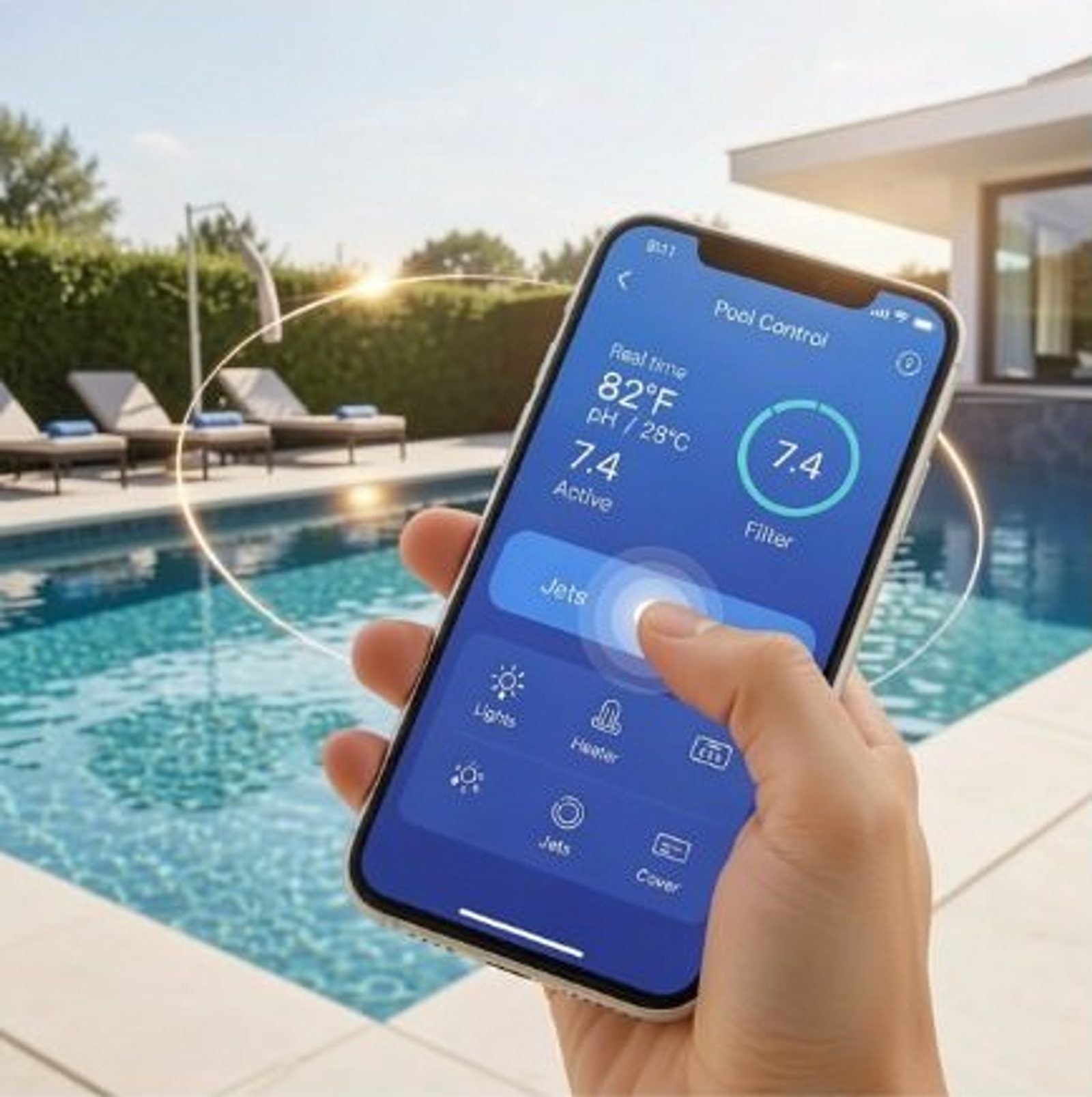
A complete pool automation setup typically includes:
Control Panel
This is the brain of the system. The panel sends signals to equipment based on your schedules or smart app settings. Some units are installed near the pump area; others may be wall-mounted.
Mobile App or Touch Interface
Modern systems sync with smartphone apps or touch panels; you can adjust settings from the pool deck or during vacation.
Timers
Schedule pump run cycles, filter routines, heater activation, or lighting changes for early morning swims or evening relaxation.
Sensors
Temperature, pH, or salt level sensors monitor water conditions and automatically adjust pumps or chemical order buffers when needed.
Pumps And Valves
Automation systems can turn pumps on and off or activate different water circuits so cleaning jets or spa jets operate in response to your schedule.
Heater Control
Set your preferred temperature and let the system activate the heater early in the morning before you use the pool.
Lights
Create dramatic ambiance with color‐changing LEDs on timers or via mobile control.
Cleaning Systems
Robotic cleaners and water in-floor cleaners can be scheduled to run at night so you return to a clean pool every morning.
How Components Work Together
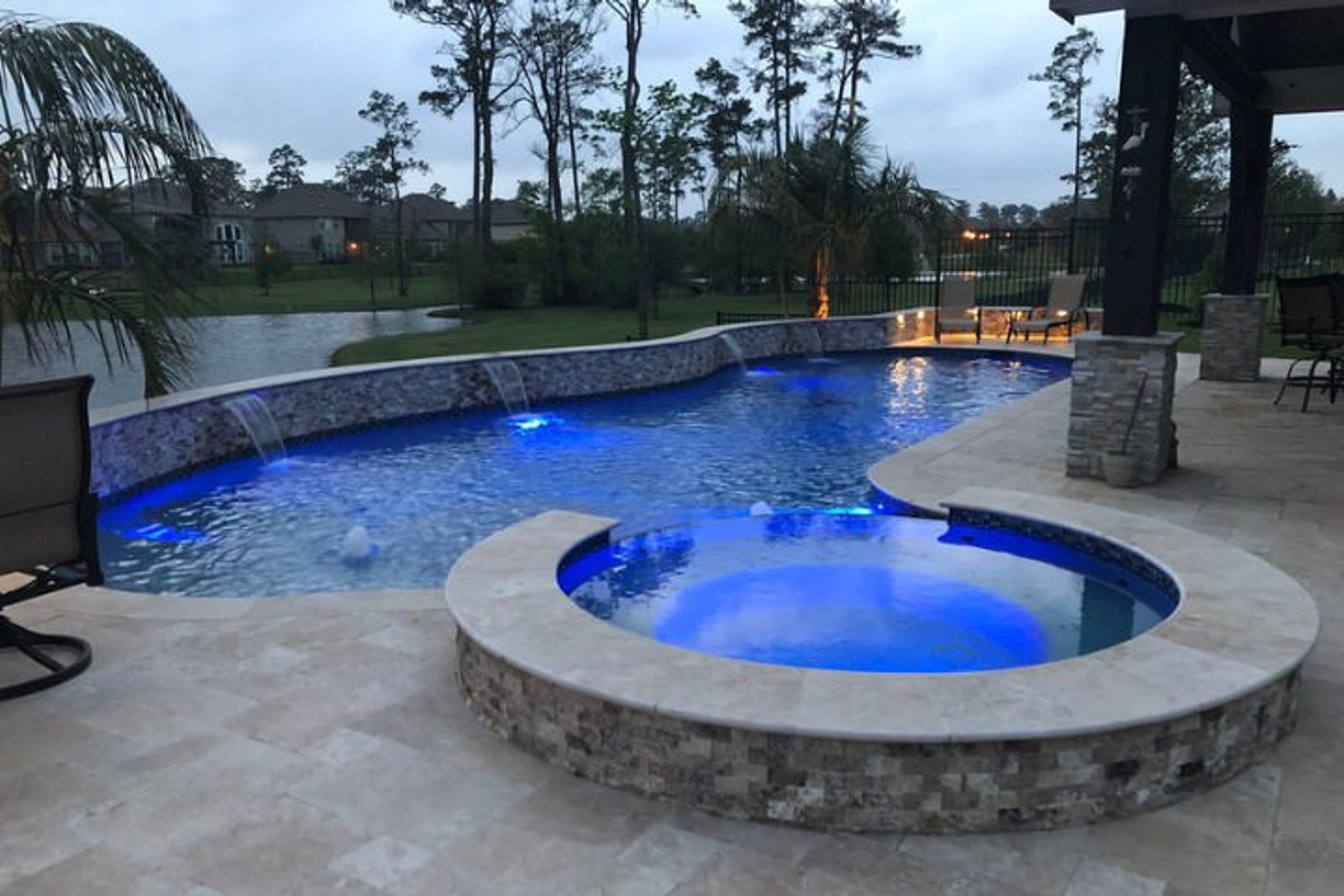
Here’s a typical workflow:
- Your system senses that daytime pool usage is planned (via schedule or app input).
- The heater heats the pool to your desired temperature before you arrive.
- Pump and filter cycles run automatically each day to maintain water clarity.
- Lighting comes on at dusk for real-time ambiance.
- After sunset, the system sends a mobile alert with diagnostics or if an alarm detects anomalies.
- Cleaning cycles run overnight to prep for the next day.
In short, your pool becomes a low-maintenance oasis tailored to your lifestyle.
New Or Existing Pools: Which Path Is Best?
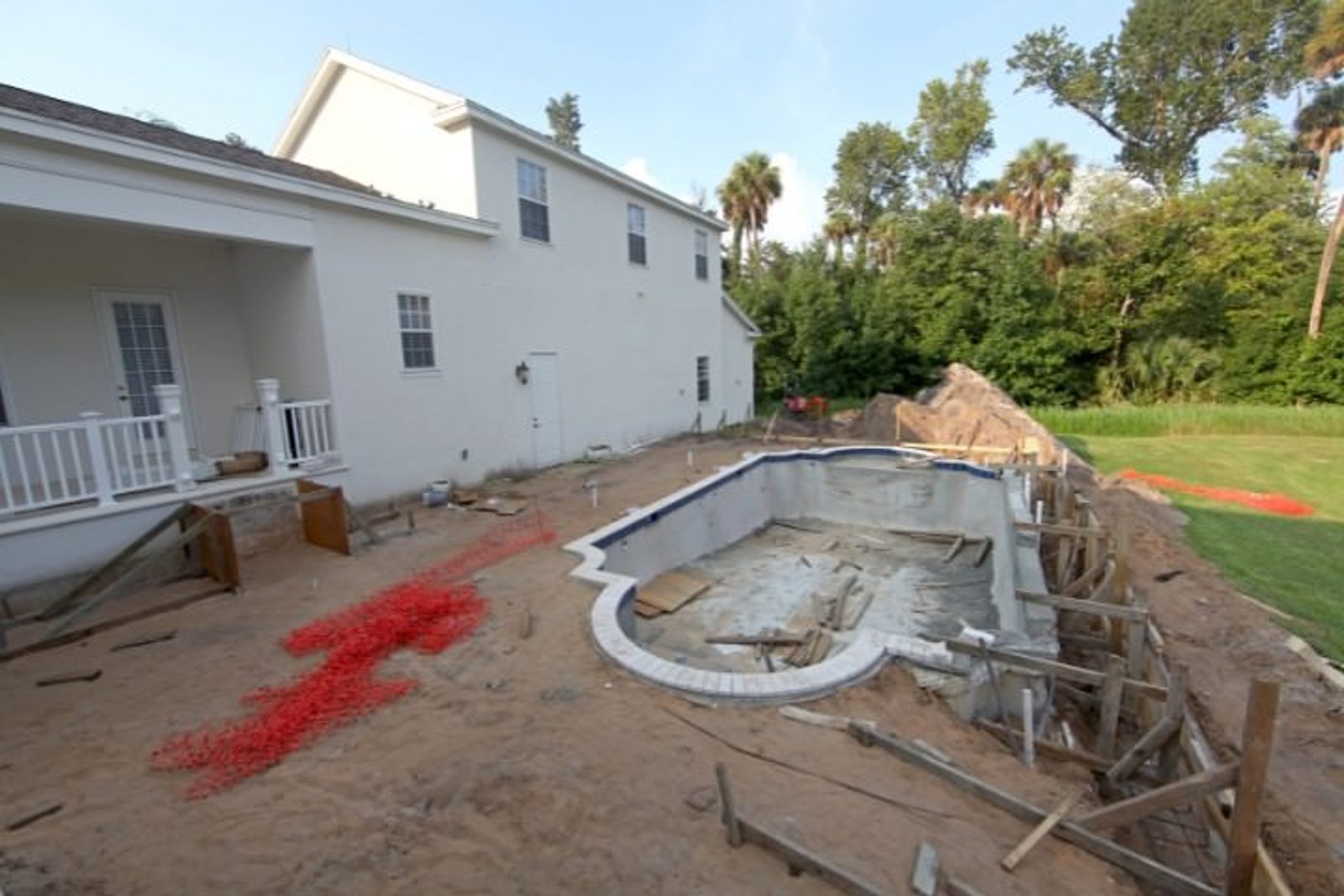
New Pools: Implementation is simplest during construction; wiring runs directly to the automation cabinet, and components are integrated behind the walls or under decking.
Existing Pools: Retrofits are possible by adding a control panel near the mechanical pad; some systems support wireless control and require minimal rewiring. A qualified pool builder such as GM Outdoor Living, Pool & Spa can integrate with your current equipment seamlessly.
Smart Home Integration
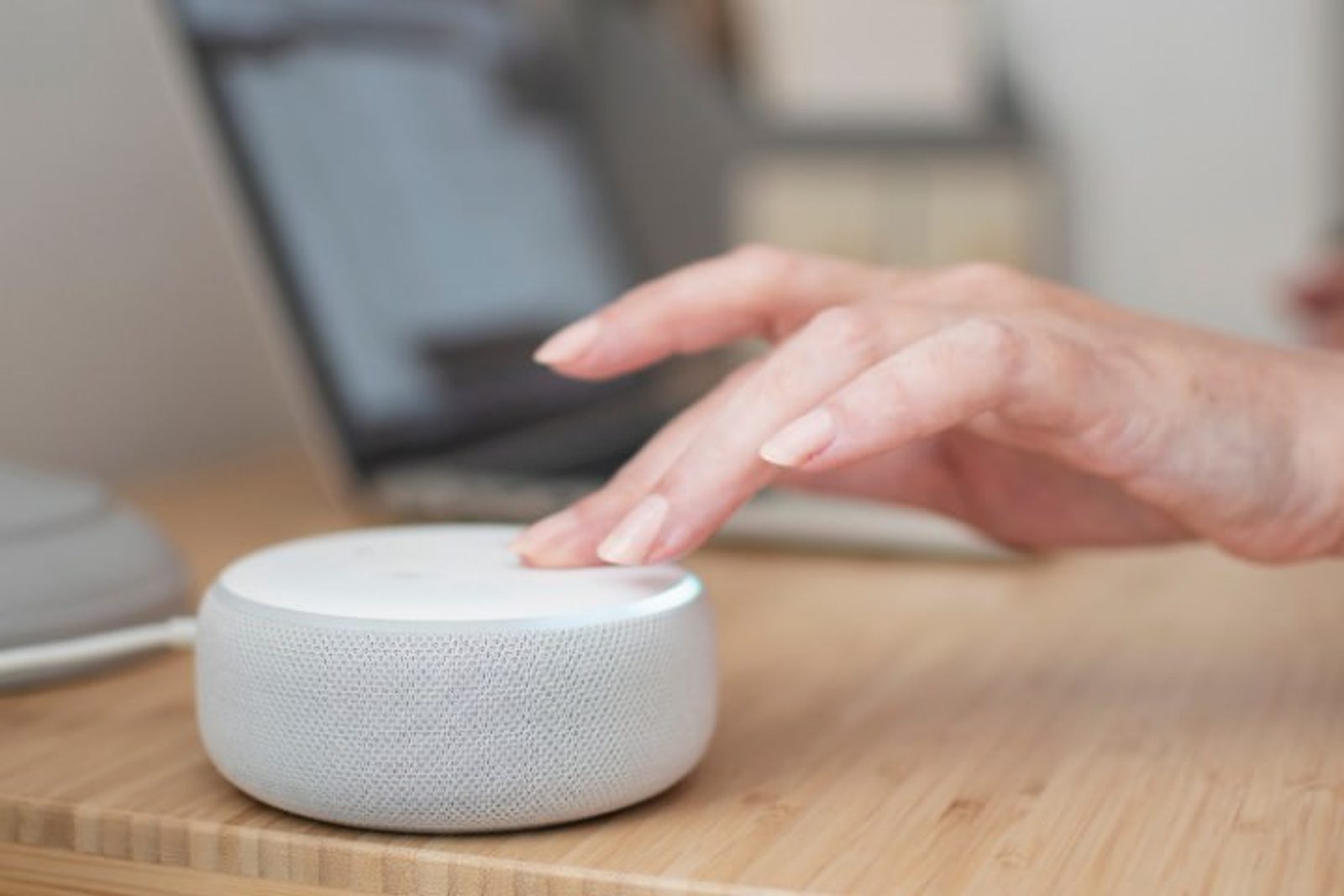
Pool automation can be integrated into systems like Alexa, Google Home, or Apple HomeKit. Use voice commands such as “turn on pool lights” or sync pool heating with your daily routine alarm. Integration also supports geofencing: your pool system can warm the water when you leave work and turn off when you head home.
Remote Management

One of the greatest benefits of pool automation is remote access. As long as the system is online, you can operate it from anywhere. Going on holiday? Turn off pumps remotely. Worried about power outages? Check system status via your phone. For second homes, this feature alone is a major convenience.
Installation Tips
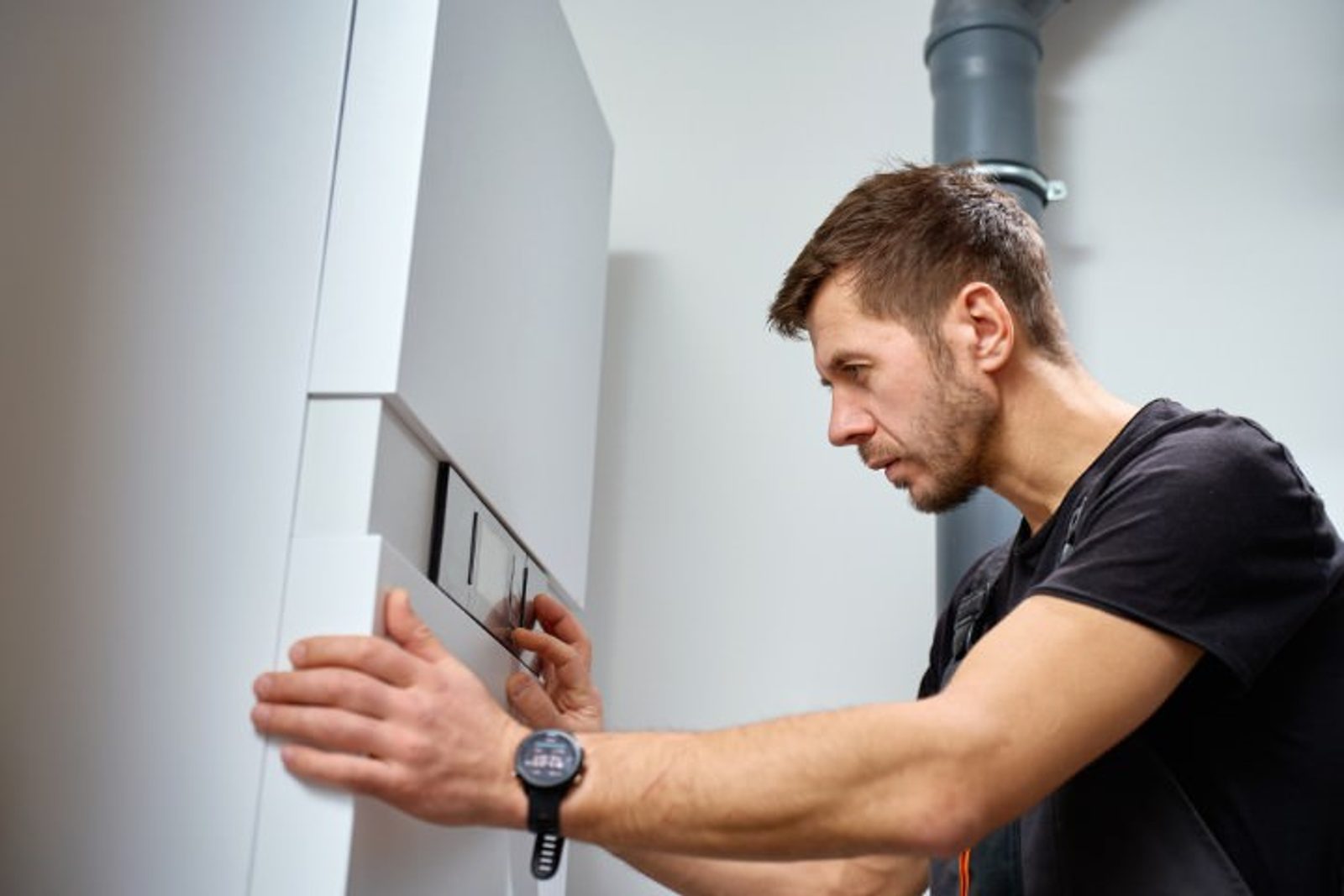
Be sure to:
- Choose a central control location away from direct sun and water spray.
- Install weatherproof enclosures if the cabinet will sit outdoors.
- Run extra conduit or wiring for future automation upgrade.
- Set redundancy timers for pump circuits and alarms.
- Follow manufacturer guidelines for equipment compatibility.
Upkeep Requirements and Troubleshooting

Even automated pools need quarterly inspections. Keep firmware updated, run manual diagnostics, check circuits replace worn sensors. Watch for warning lights or app diagnostics; troubleshoot common issues such as sensor faults, remote connectivity problems, or motor stalls. If the pool is not heating, contact your pool builder before adding chlorine or acids, which may damage equipment.
Ballpark Cost Breakdown

- Control Panel and Basic App System - Starting around $1,500 to $2,500 installed
- Lights and Pump Integration - Add $500 to $800, depending on equipment
- Sensor Package - $400 to $1,200 depending on features
- Smart Home Voice Integration - Additional $200 to $400
- Professional Installation - Labor will vary based on complexity and retrofits
Pool automation is not merely a convenience; it is an investment in time savings, safety, and system efficiency. Whether you are building a new pool or want smart upgrades for your existing one, the possibilities are robust.
Ready to make your Houston pool effortless to manage and beautifully automated? Contact the experts at GM Outdoor Living, Pool & Spa to design a customized automation system that suits your marina lifestyle or family routine.
Get started now athttps://www.gmoutdoorliving.com/.
Related Articles

Planning Custom Patio Installation Around Your Pool
Your pool and patio should work as one system. Learn how smart planning prevents drainage problems, hot surfaces, awkward walkways, and costly construction changes.

Why Pool Water Turns Green: What's Really Happening in Your Pool
Houston storms can undo balanced pool chemistry in hours. Discover why rain, sunlight, and low chlorine create the perfect setup for green water.

Atascocita Pool Maintenance Tips Every Owner Needs
Atascocita’s heat, pollen, and storms can turn clear pool water fast. Learn the habits that keep algae, debris, and equipment issues under control.