Pool Maintenance After Heavy Rain in Houston

A few inches of rain rolled through overnight, and now your pool looks a shade off, the skimmer basket is buried in leaves, and you're not sure it's safe to jump in yet. Sound familiar? Pool maintenance after rain is one of the most common concerns we hear from Houston homeowners in the days following a Gulf Coast storm, and there's a good reason for it. Heavy rain doesn't just add water to your pool; it changes the water itself and washes in a load of debris that your filtration system has to work overtime to handle.
This guide walks through exactly what to check first, what to test, what to leave to a professional, and how to keep the next round of rain from turning into a week of chasing cloudy water.
Why Houston Rain Hits Pools Harder
Greater Houston doesn't get occasional heavy rain; it gets a lot of it, consistently. Houston Intercontinental Airport's normal annual precipitation sits at roughly 51.84 inches based on the current 1991 to 2020 climate normals from the National Weather Service Houston/Galveston office, and totals at Hobby Airport runs several inches different, so the exact number depends on which side of town you're on. During hurricane season especially, tropical storm systems can drop several inches in a single event, all at once, rather than spread evenly across the week.
What makes this worse for pool owners is what's under the pool, not just what's falling on it. Much of Greater Houston, including Conroe, Tomball, Humble, Kingwood, and The Woodlands, sits on expansive clay soil. Clay absorbs water slowly, and once it's saturated, it essentially stops absorbing altogether. Add in the region's flat terrain, and runoff has nowhere to drain downward, so it moves sideways instead, across yards, decks, and directly into pools. That combination of high rainfall totals, clay soil, and flat ground is why Houston pools feel the effects of a storm more than pools in most other parts of the country.
What Heavy Rain Actually Does to Your Pool Water
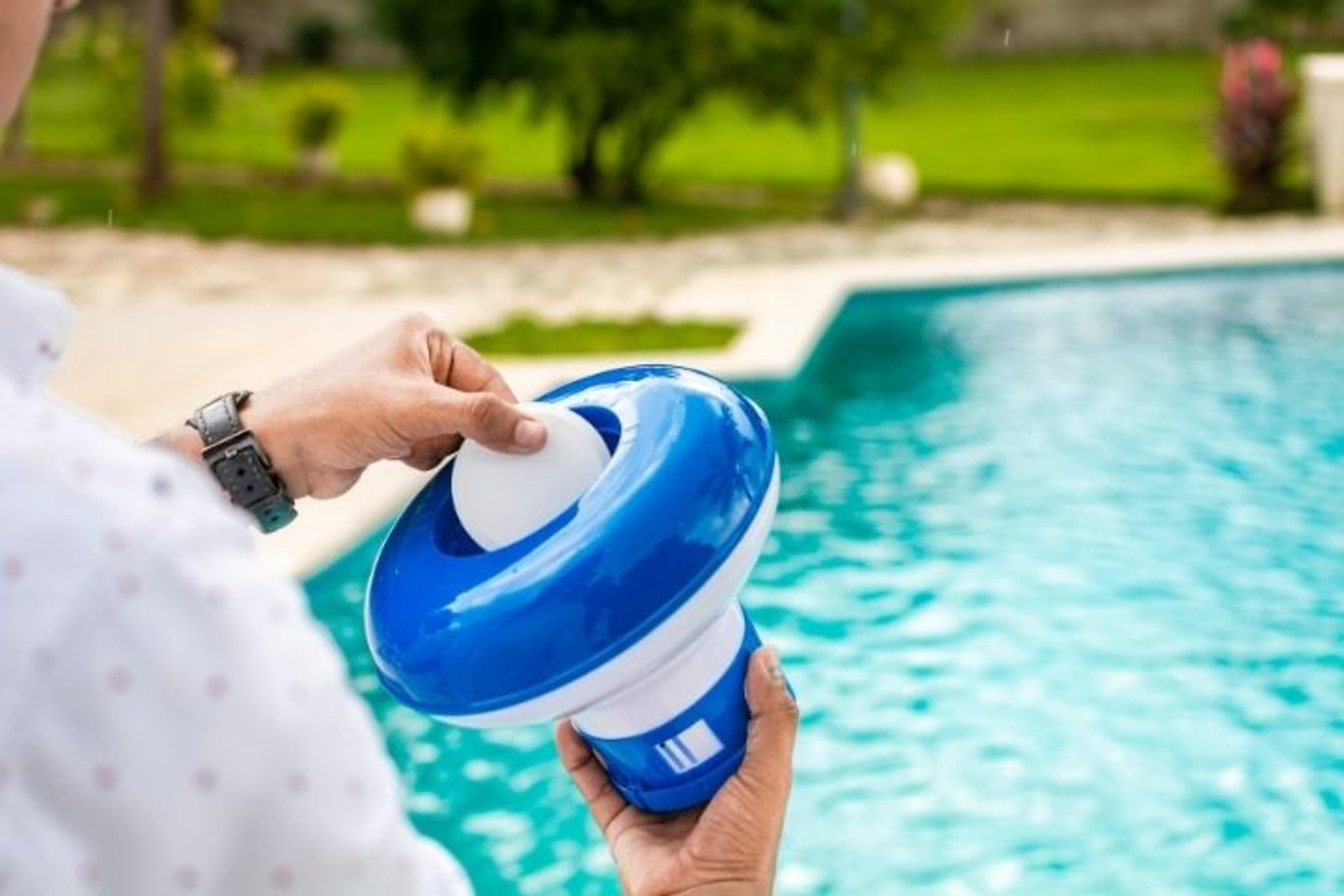
Rainwater is naturally slightly acidic. The EPA notes that normal, unpolluted rain has a pH of about 5.6, since carbon dioxide in the atmosphere dissolves into it and forms weak carbonic acid. On its own, that's a minor factor. The bigger issue is what rainwater doesn't contain.
Rain carries essentially no chlorine, no cyanuric acid, no alkalinity, and no calcium. When several inches of it fall into your pool, all four of those levels get diluted at once:
- Free chlorine drops as the sanitizer already in the water gets watered down
- Cyanuric acid (chlorine stabilizer) drops, reducing how well your chlorine holds up against sunlight
- Total alkalinity drops, which matters because alkalinity is what keeps pH stable
- Calcium hardness drops, which affects both water balance and surface protection
- Salt levels can drop too in saltwater pools, and some salt chlorine generators will flag a low-salt reading after a heavy rain event
That drop in alkalinity is the part most homeowners don't expect. Alkalinity acts as a buffer for pH. When it's diluted, pH has far less resistance to change and starts swinging more easily in either direction, which is part of why water balance often feels harder to nail down in the days right after a storm than it did before.
The First 24 Hours After Heavy Rain: A Step-by-Step Order of Operations
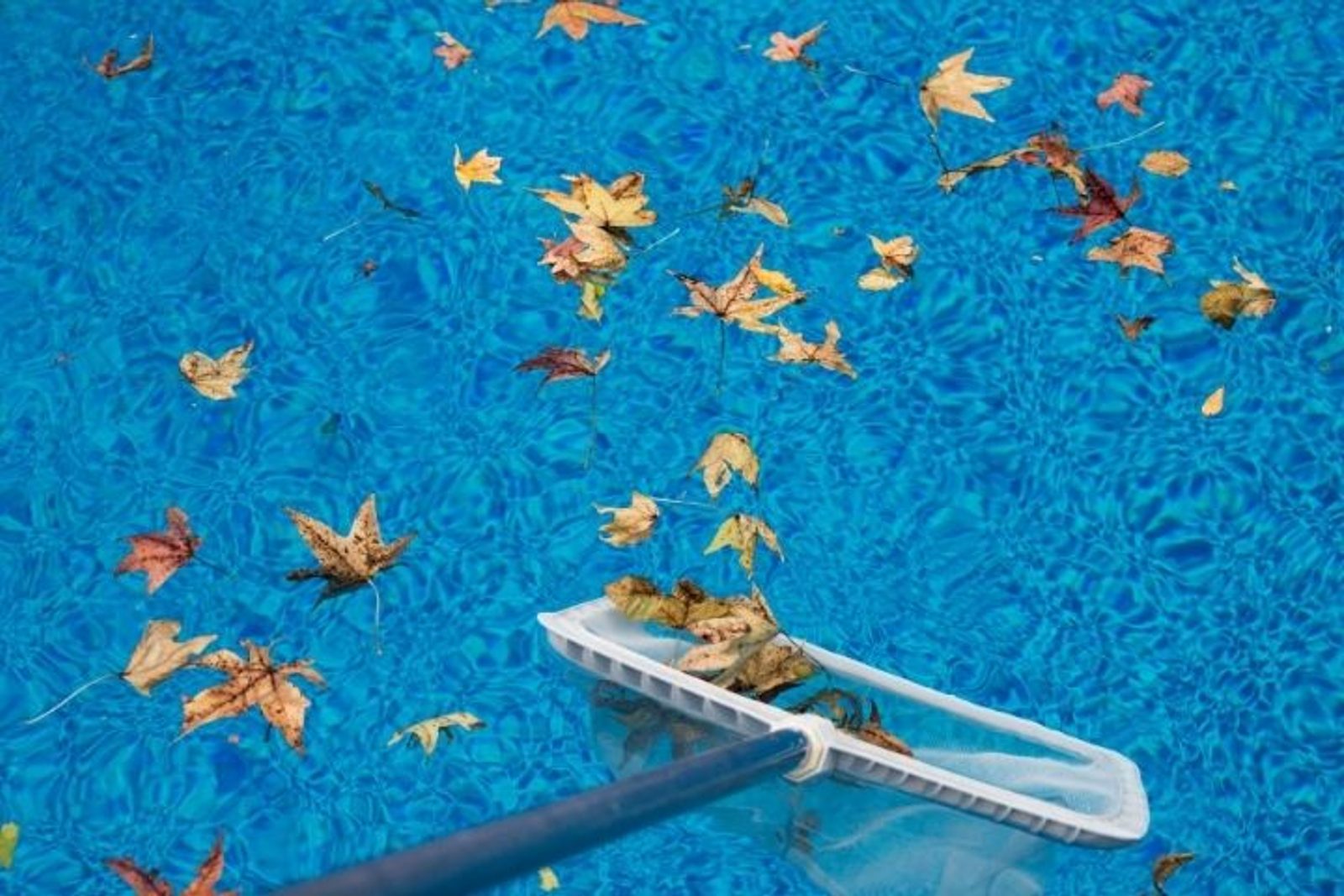
Once the rain clears, work through these steps in order. This sequence matters because skipping ahead, testing the water before you've cleared debris, for example, gives you a false read.
1. Do a visual and equipment check first. Walk the pool deck and equipment pad before touching anything else. Look for downed branches, loose furniture, debris near the equipment pad, and anything that looks out of place at the pump, filter, or automation panel.
2. Skim the surface. Clear leaves, pollen, dirt, and other floating organic debris before it has a chance to sink and break down in the water.
3. Empty the skimmer and pump baskets. Heavy rain and wind load these up fast, and a full basket restricts flow through the rest of your filtration system.
4. Brush and vacuum. Brush the walls, steps, and tile line to loosen debris and dirt that's settled out of suspension, then vacuum it up rather than leaving it to dissolve back into the water.
5. Check filter pressure. Compare the reading to your filter's normal operating range. A pressure reading noticeably above that range is a sign that the media needs cleaning or backwashing.
6. Run circulation longer than usual. After a heavy rain event, extend your filtration system's run time beyond a normal turnover cycle so the added debris and diluted chemicals get filtered and mixed thoroughly.
7. Test and rebalance before anyone swims. Once the pool is clear and has circulated, test the water and rebalance it based on your actual readings.
Debris, Baskets, and Equipment Strain
Runoff matters just as much as the rainfall itself, sometimes more. Dirt, organic debris, fertilizer, and other nutrients wash off decks, lawns, and flower beds and end up in the pool along with the rain. That load of phosphates and nitrates creates a sudden spike in chlorine demand, since your sanitizer has to work through all of that organic material before it can maintain a stable residual. It also feeds algae. This is exactly why cloudy or green water so often shows up a day or two after the weather clears rather than during the storm itself: the nutrients are already in the water, and it just takes a little time for algae to take hold and for cloudiness to become visible.
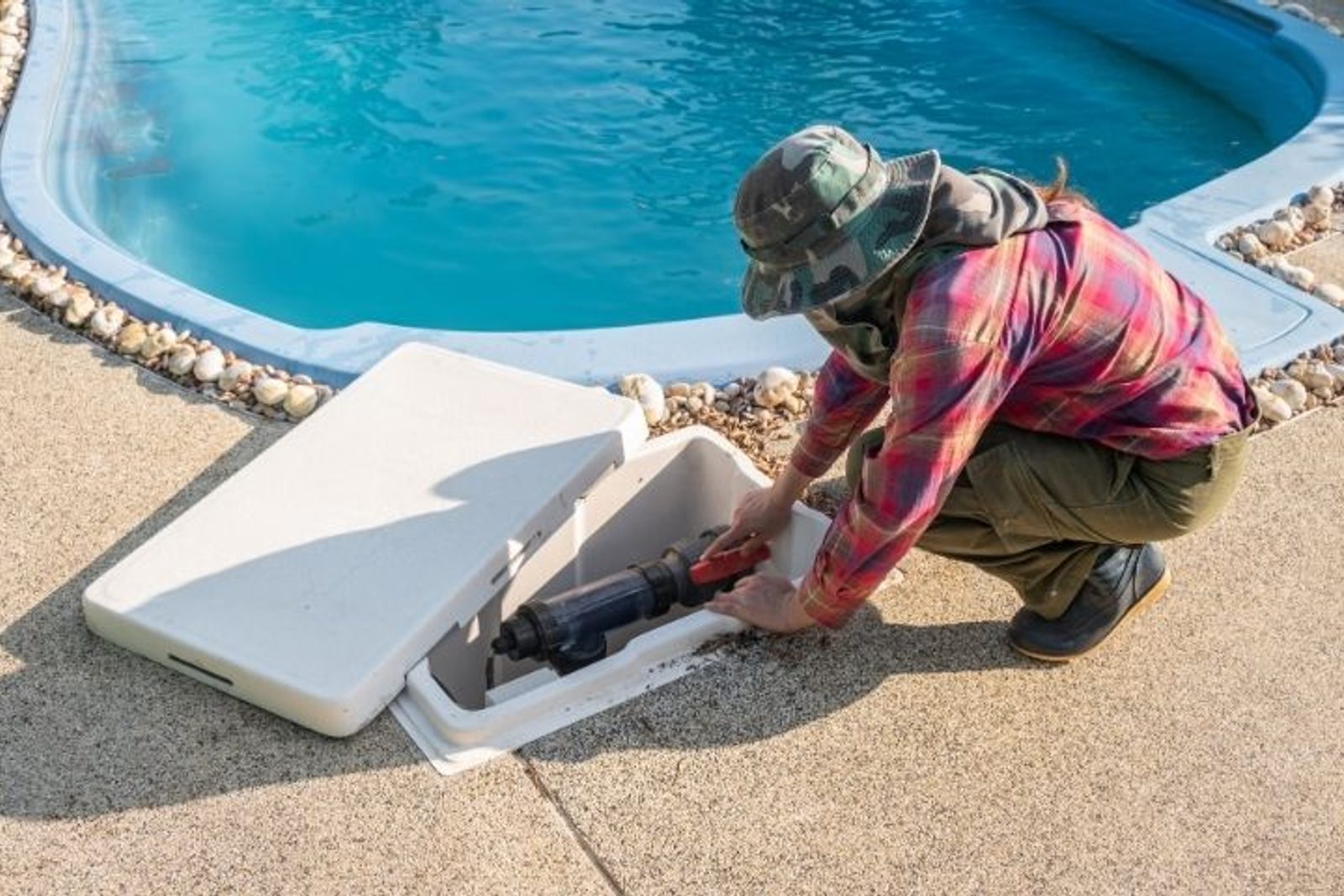
At the equipment pad, watch for the practical signs of strain: baskets clogged enough to visibly restrict water flow, a filter pressure gauge reading above its normal operating range, or anything that looks or sounds different than usual when the system is running. These are useful signals, but they're also where DIY troubleshooting should stop. Opening a filter, servicing a pump, or touching anything electrical at the equipment pad is where this becomes a job for a professional pool service rather than a homeowner project.
Testing and Rebalancing Your Water
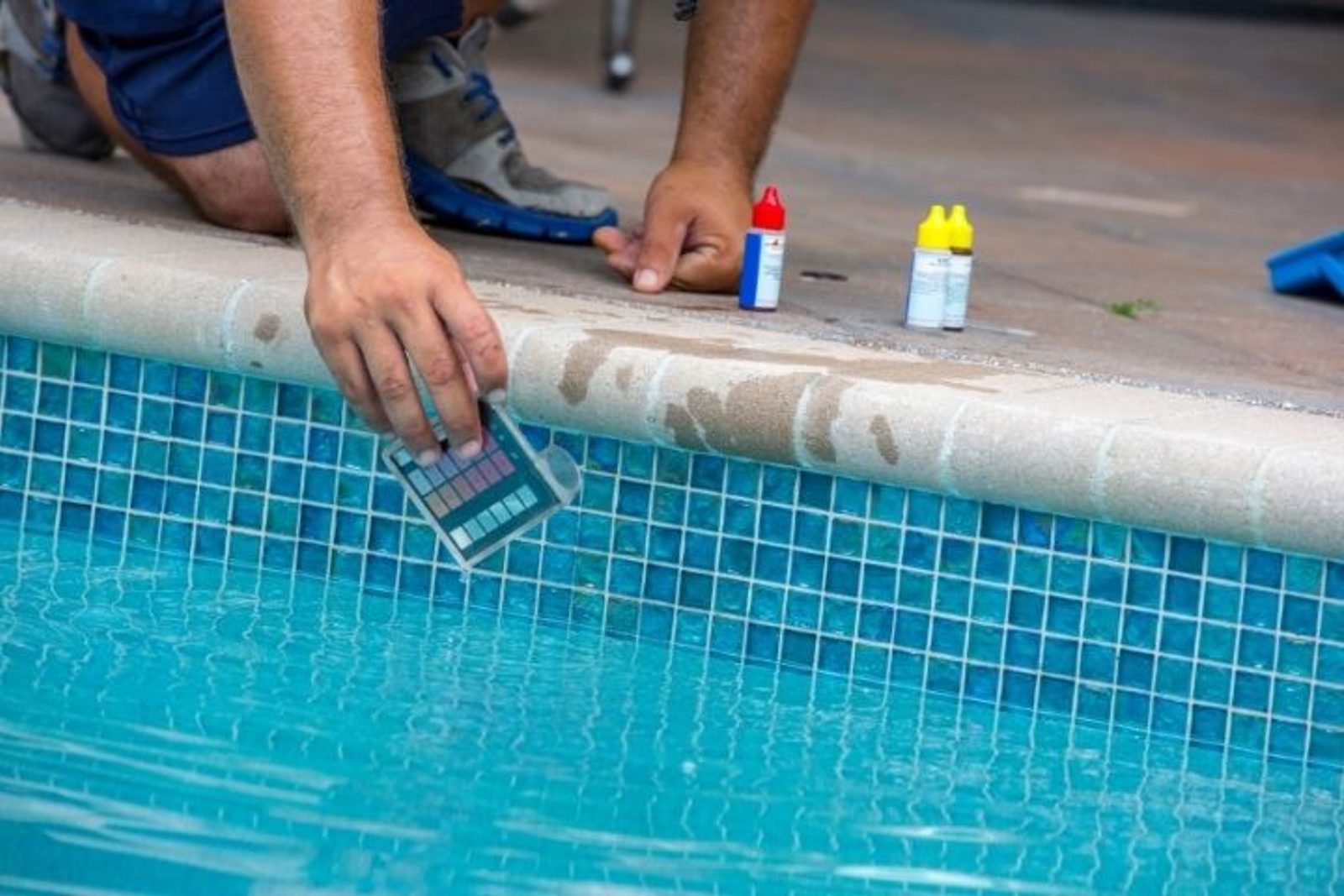
Once the pool is clean and has circulated, test your water with a reliable test kit or test strips. Standard practice is to check and adjust in order: total alkalinity first, then pH, then sanitizer and stabilizer levels.
This is where it's worth being direct: how much of anything to add depends entirely on your pool's volume and your current test readings. There's no universal formula that works for every pool, and getting it wrong in either direction creates its own problems. Follow the dosing instructions on your product labels, or better yet, have a pool professional confirm your numbers and treatment plan, especially in the days right after a heavy rain event when several readings are off at once.
Water Level: Why Draining Your Pool Is the Wrong Move
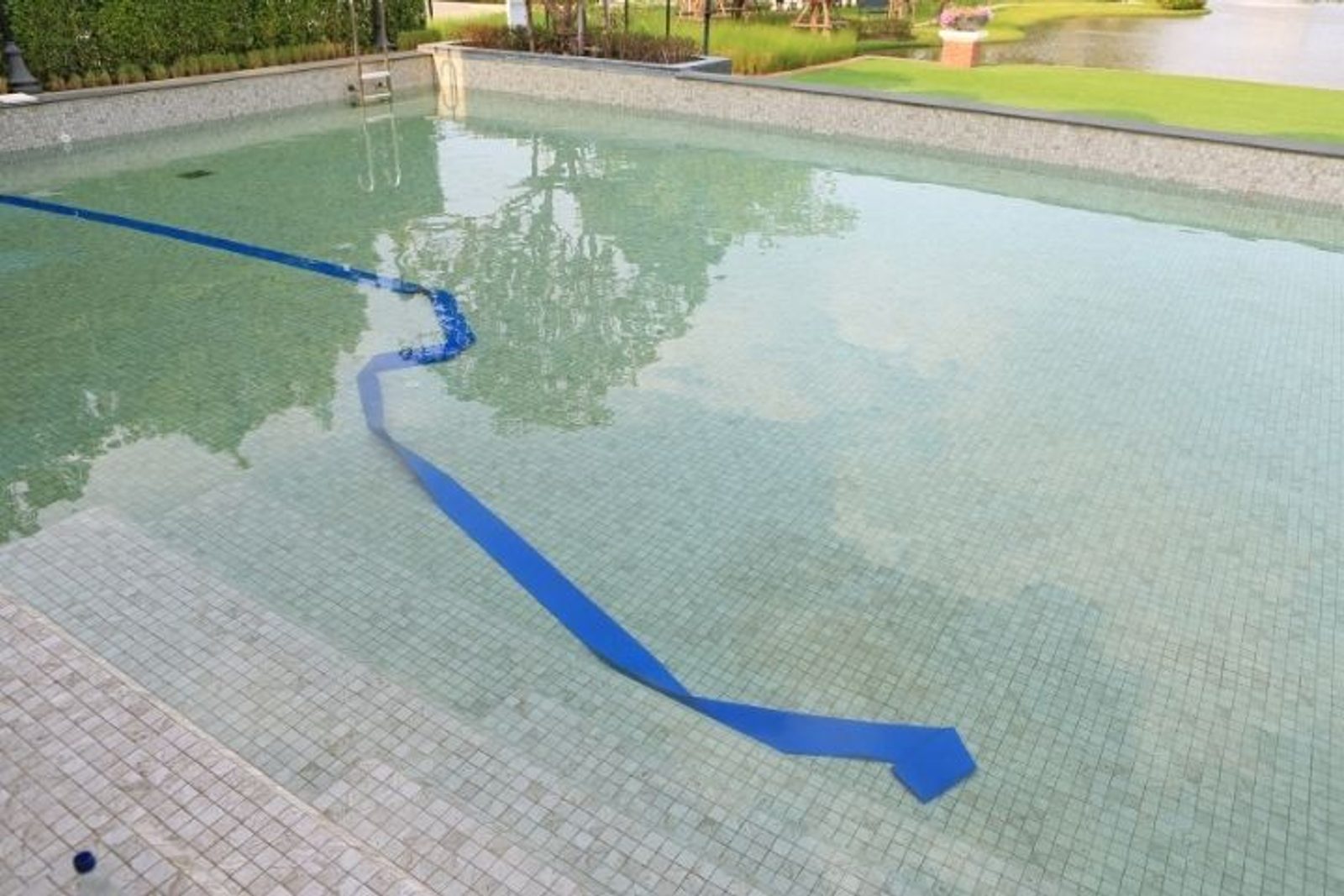
This is the section that trips up more Houston pool owners than any other part of post-rain maintenance, and it's worth slowing down on.
The correct water level sits roughly in the middle of the skimmer opening. Once the water rises above the skimmer mouth, which happens easily after several inches of rain, surface skimming stops working correctly. Leaves and debris just float past the skimmer instead of getting pulled in, so even a system that's running fine can't do its job.
Bringing the level back down safely depends on your filter type. On sand and DE filters, you can typically use the multiport valve's waste or backwash setting to lower the water. For cartridge filter systems, or when you need to remove water faster, a submersible pump works well. Whichever method you use, never lower the water below the skimmer while the pump is still running, since the pump will start drawing air instead of water, and that can damage it.
Here's the part that matters most: do not fully drain an in-ground pool after heavy rain. In the Houston area, saturated clay soil and elevated groundwater around an empty pool shell can create hydrostatic pressure that pushes up and inward against the shell from underneath and from the sides. That pressure can crack, shift, or, in more severe cases, float a gunite, fiberglass, or vinyl liner pool right out of the ground. It doesn't happen often, but when it does, the damage is serious and expensive to correct. Draining a pool, especially after a heavy rain event, is professional-only work. A licensed pool builder or pool service company can evaluate the groundwater situation, install pressure relief if needed, and lower the water safely. This isn't a homeowner project, no matter how straightforward it looks.
When It's Flooding, Not Just Rain
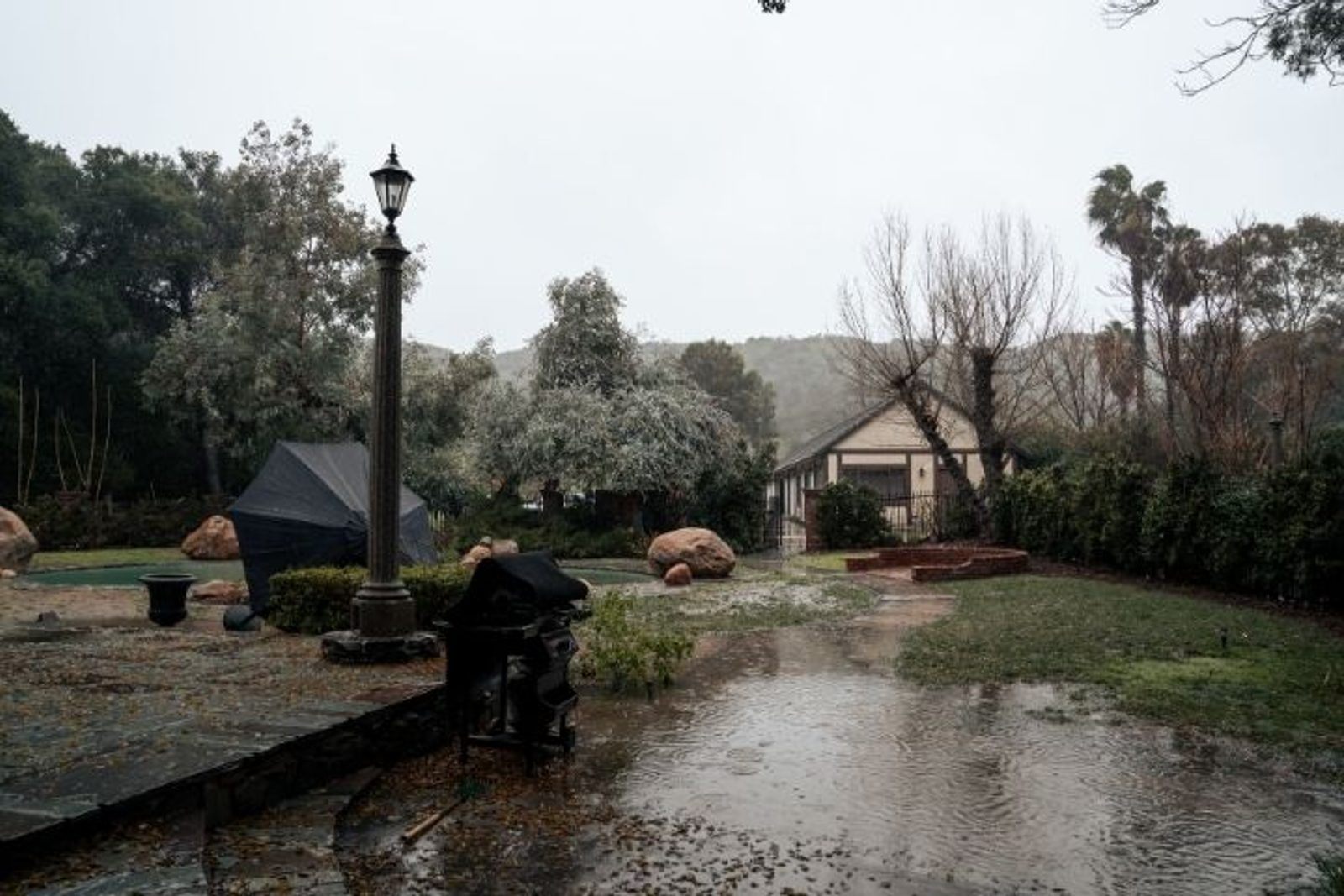
Heavy rain and actual flooding call for two very different responses, and it's important to know which situation you're in. If floodwater or runoff from surrounding property has entered your pool, not just rain falling directly into it, treat that water as contaminated.
According to the Pool & Hot Tub Alliance's fact sheet on flooded pools and spas, floodwater should be assumed to carry chemicals, fertilizers, oils, sewage, bacteria, silt, and debris. That means:
- Stop swimming immediately and keep the pool closed until it's professionally assessed
- Do not attempt to restart a pump, heater, automation panel, or any electrical component that was submerged
- Have a qualified professional inspect all equipment before anything is switched back on
Electrical remediation after flooding is explicitly not a do-it-yourself project. Floodwater can damage wiring, motors, and circuit boards in ways that aren't visible from the outside, and switching submerged equipment back on before it's been inspected is a genuine safety risk.
Preventing the Same Problem Next Time
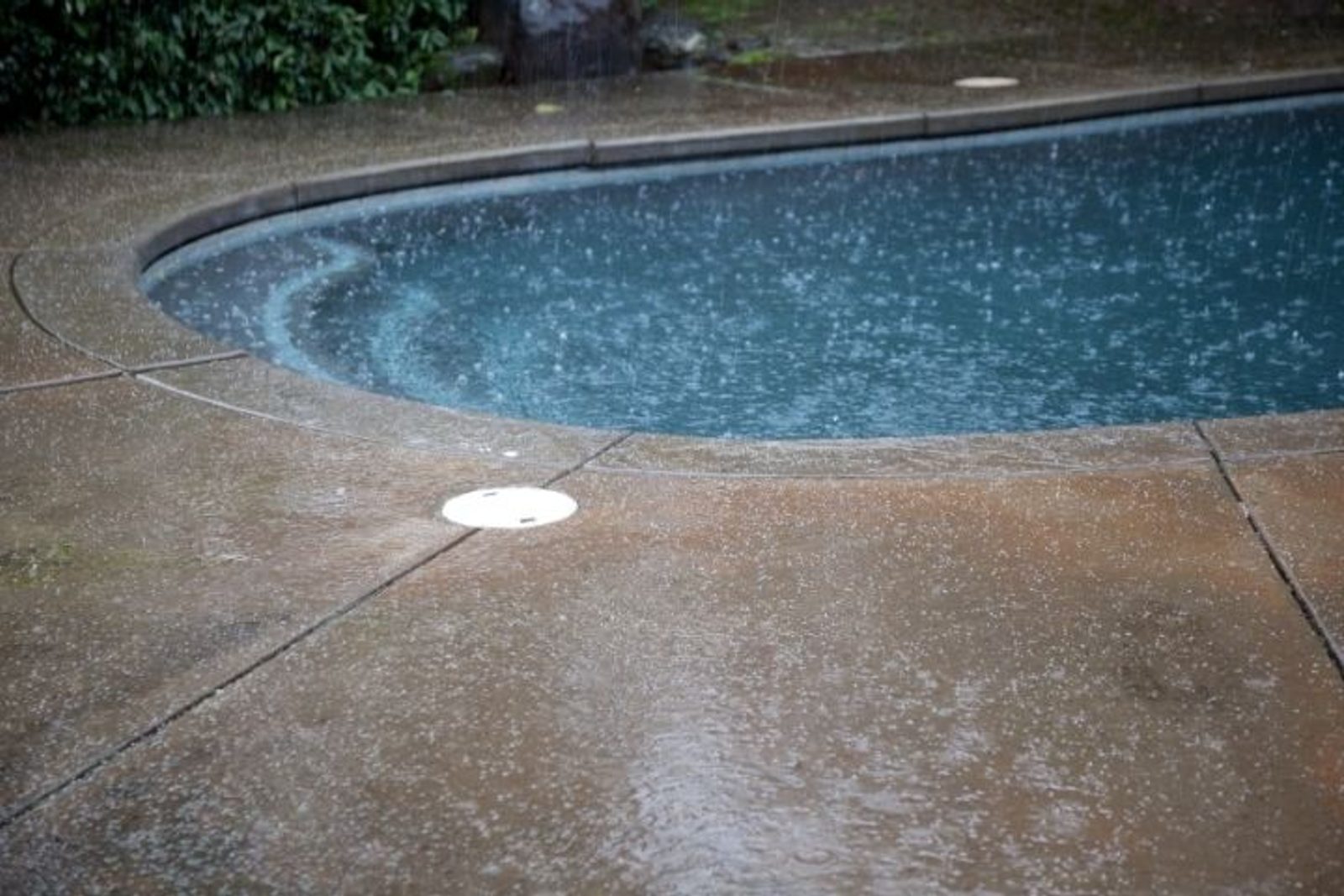
A full storm-prep checklist is its own topic, but a few habits go a long way toward reducing how much cleanup you're facing after the next heavy rain event. Grading your deck and surrounding yard so water sheds away from the pool, rather than toward it, keeps runoff and its nutrient load out of your water in the first place. Gutter and downspout placement matters too, since water dumped near the pool edge finds its way in fast. Proper area drainage around the pool deck and coping helps prevent overflow situations before they start, and if you know heavy rain is in the forecast, lowering the water level ahead of time gives the pool room to absorb rainfall without pushing past the skimmer.
One more reason not to let a pool sit neglected after a storm: stagnant, untreated water becomes a mosquito breeding ground quickly in Houston's climate, and Harris County's Mosquito & Vector Control Division accepts reports of standing water and mosquito breeding sites around the county. Keeping your water balanced and circulating isn't just about swimmability; it's a genuine pest and public health consideration in this part of the country.
Work With a Team That Knows Houston Pools
Heavy rain is simply part of owning a pool in Greater Houston, and knowing the right order of operations, from skimming and basket checks through testing, water level management, and knowing when to call in a professional, makes the difference between a quick recovery and a week of chasing cloudy water. When the situation goes beyond routine post-rain maintenance, whether that's a filtration system under strain, a water level question you're not confident about, or equipment that was exposed to floodwater, that's where having an experienced local team matters.
Ready to talk through your pool's specific situation? The team at GM Outdoor Living, Pool & Spa understands what Houston's rainfall, clay soil, and groundwater conditions mean for pools throughout Houston, Humble, Conroe, Tomball, and Montgomery County. Contact GM Outdoor Living, Pool & Spa today to schedule a consultation and get expert guidance suited to your pool and your property.
Related Articles

Key Factors That Determine Outdoor Kitchen Cost in Houston
Why do outdoor kitchen quotes in Houston vary so much? Explore how appliances, materials, soil conditions, utilities, and permits shape your budget and learn what to ask before hiring a builder.

Patio Furniture Ideas for Houston Poolside Lounging
Chlorine splash, humidity, and Gulf Coast storms wear out poolside furniture fast. Learn which materials, seating, and shade options hold up around a Houston pool deck.

Complete Pool Renovation Guide From Houston Pool Builders
Houston pool renovation starts with understanding your pool’s condition. Explore repairs, resurfacing, upgrades, and how to prioritize the work.