Pros and Cons of Different Inground Pool Types and Spas

Are you trying to decide which type of inground pool or spa is right for your backyard? Choosing the right pool types and swimming pool types can be challenging, especially with so many options, features, and long‑term considerations. From fiberglass pools to custom concrete designs, and from integrated inground spas to portable stand‑alone models, each option offers unique benefits and drawbacks that impact cost, installation, maintenance, durability, and enjoyment.
In this guide, we’ll break down the pros and cons of popular inground pool types and spa options, helping you make an informed decision based on your lifestyle, budget, property size, climate, and long‑term goals.
Inground Pool Types
When it comes to inground pool types, the three most common options are fiberglass, vinyl liner, and concrete. Each performs differently in terms of installation, longevity, design flexibility, and maintenance.
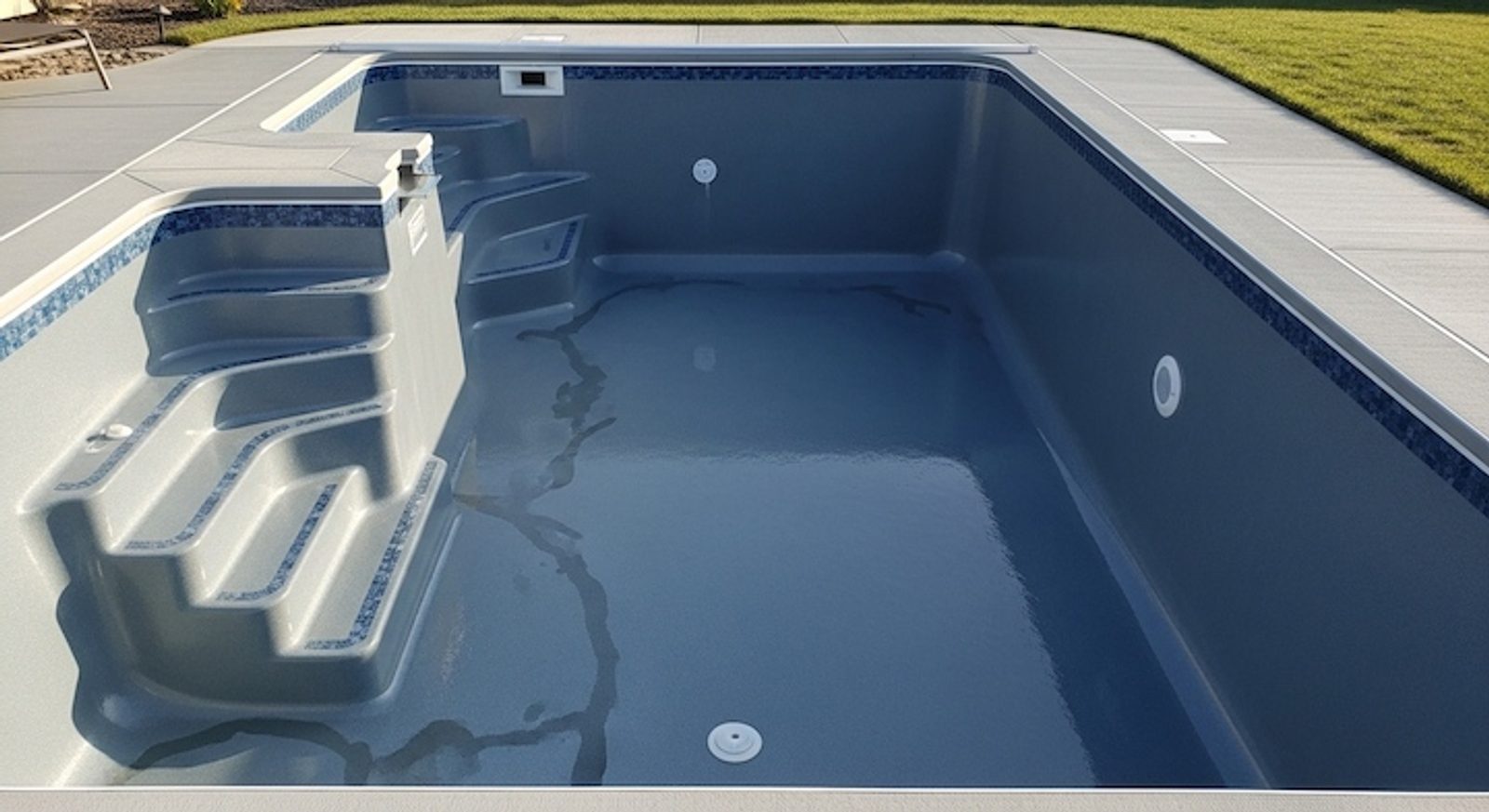
1. Fiberglass Pools
Pros
Easy and Quick Installation
Fiberglass pools come pre‑manufactured in a factory and delivered as a single shell. Because the pool is already formed, the installation process is faster compared to other options. Many fiberglass pool installations can be completed in a matter of weeks rather than months.
Low Maintenance
The smooth gel coat surface of fiberglass resists algae growth better than concrete, meaning fewer chemicals and less frequent pool cleaning. For many homeowners, this translates to lower maintenance requirements over the life of the pool.
Durability
Fiberglass has excellent resistance to cracking and environmental wear. Its non‑porous surface makes it less susceptible to surface stains or scaling.
Energy Efficiency
Fiberglass pools tend to retain heat well, which can reduce the workload on heaters and help improve energy efficiency.
Cons
Limited Design Flexibility
Because fiberglass pools arrive as a pre‑formed shell, your shape selections are limited to the manufacturer’s catalog. Custom features like freeform curves, tanning ledges, or intricate spa spillovers may not be available.
Higher Shipping Costs
Depending on your location, transporting a large fiberglass shell can be expensive and may require special logistics, especially if your property is difficult to access.
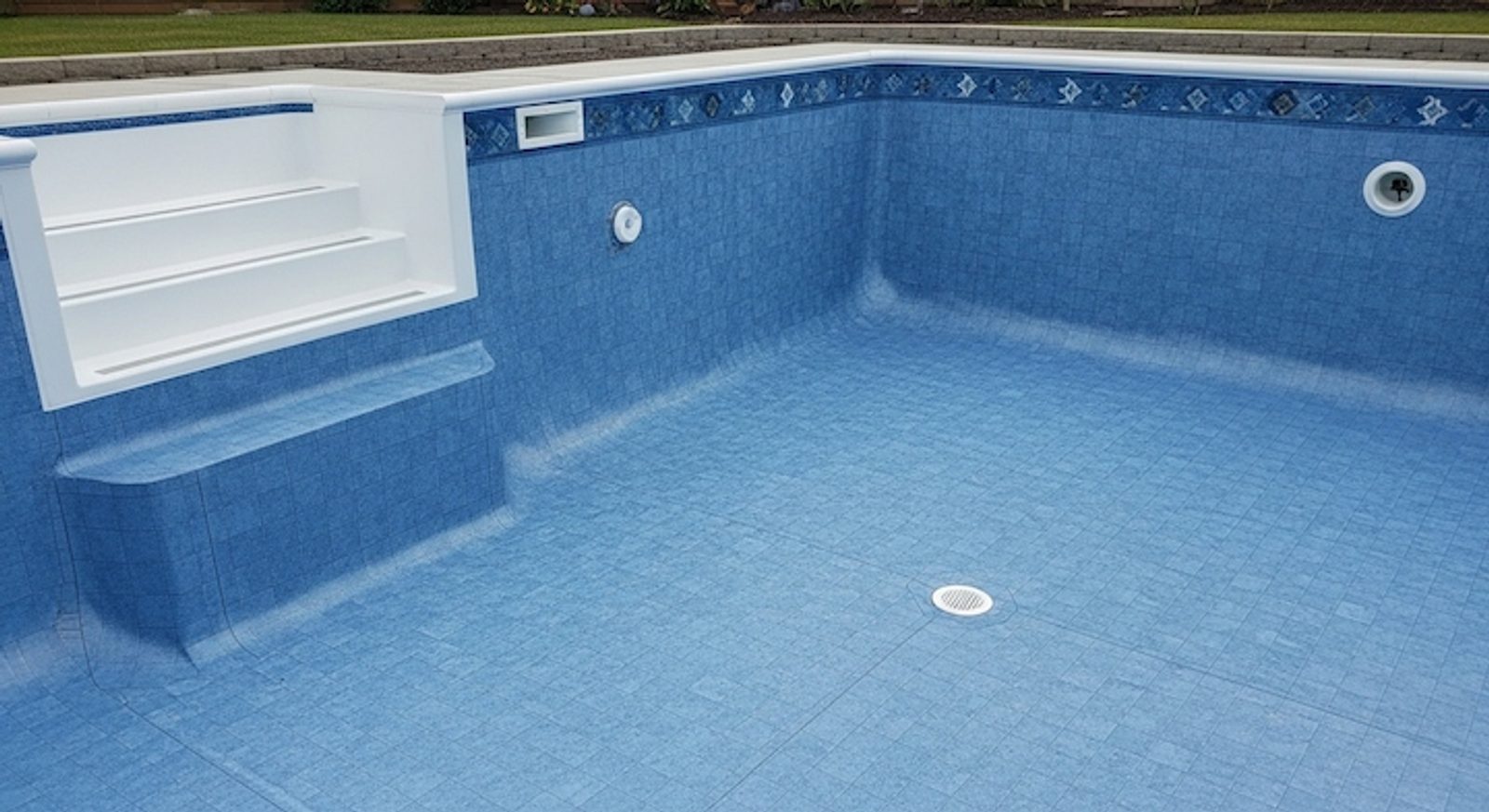
2. Vinyl Liner Pools
Pros
Cost‑Effective
Vinyl liner pools are usually the most affordable option for homeowners who want an in-ground pool. The initial investment tends to be lower than fiberglass or concrete.
Flexible Shapes and Sizes
Because the pool structure is built on site with panels and then finished with a vinyl liner, you have more flexibility with shapes and sizes compared to fiberglass.
Comfortable Surface
The vinyl liner feels smooth underfoot, and it does not retain heat as much as concrete surfaces, making it comfortable for swimmers.
Cons
Liner Replacement
Over time, the vinyl liner will need to be replaced, typically every 5 to 10 years, depending on wear. This adds long‑term maintenance cost and effort.
Potential for Damage
Sharp objects, pets, or heavy landscaping can accidentally puncture the liner. Repairing or replacing liners can be costly, and it is a factor when considering long‑term ownership.
Moderate Durability
Although vinyl liner pools are sturdy, they are not as long‑lasting as concrete or high‑quality fiberglass shells.
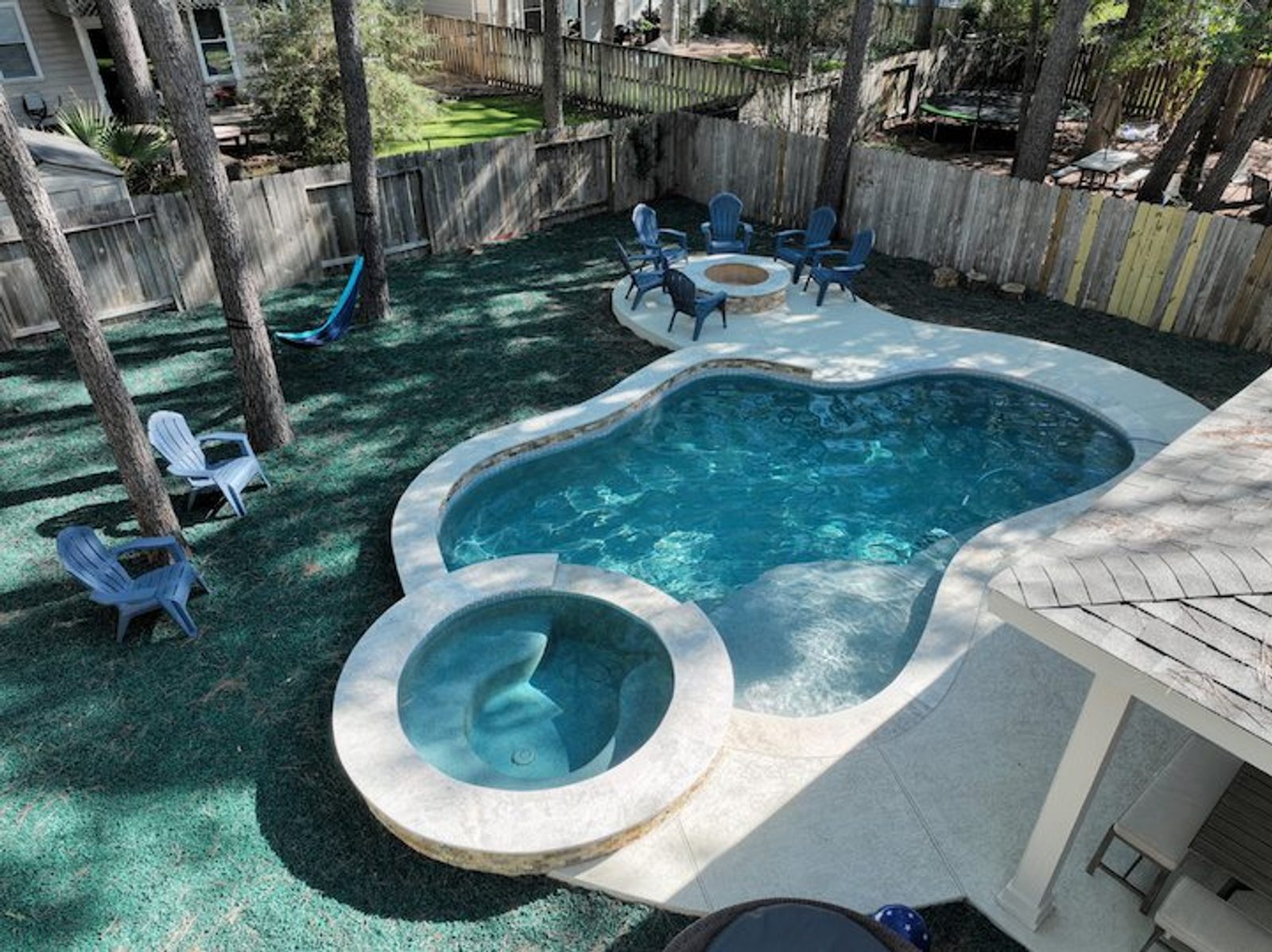
3. Concrete Pools (Gunite or Shotcrete)
Pros
Ultimate Design Flexibility
Concrete pools allow for nearly any shape, depth, feature, or custom element you can imagine. Want a beach entry, infinity edge, swim‑up bar, or integrated spa? Concrete makes it possible.
Unmatched Durability
Concrete, gunite, or shotcrete pools are highly durable and long‑lasting when properly installed and maintained. They can withstand extreme conditions and can be resurfaced every 10 to 15 years to look new again.
Customization Options
Tile finishes, lighting effects, fountains, and custom steps can be integrated seamlessly into concrete designs, giving you a truly bespoke backyard environment.
Cons
Longer Installation Timeline
Concrete pool construction typically takes longer due to forming, reinforcing, spraying, curing, and finishing steps. Homeowners should expect a longer timeline compared to fiberglass or vinyl.
Higher Initial Cost
The materials and labor involved in a concrete pool are costlier upfront. Depending on the complexity of design and site conditions, concrete may be significantly more expensive.
More Maintenance
Concrete surfaces are more porous and may require more attention to water chemistry to prevent algae growth and staining. Routine brushing and chemical balancing are essential.
Spa Options for Your Backyard Pool
Adding a spa to your pool design can enhance relaxation, health benefits, and entertainment value. Below are common spa options with their pros and cons.
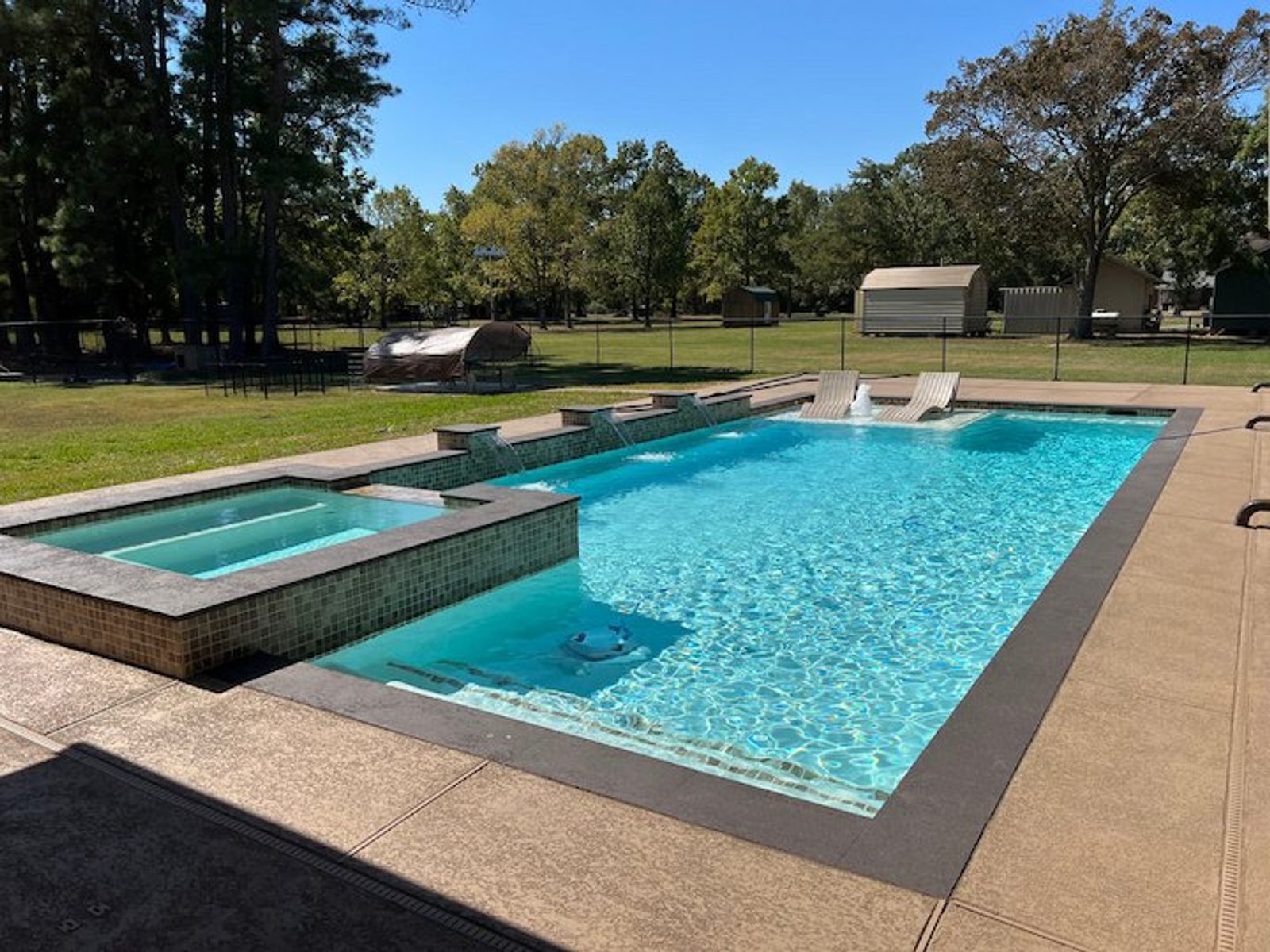
1. Integrated Inground Spa
Pros
Design Cohesion
Integrated inground spas are built as part of the pool, blending seamlessly with the shape, materials, and style of the main water body. This creates a unified, luxurious aesthetic.
Efficient Plumbing
Because the spa shares plumbing and equipment with the pool, water circulation and heating can be more efficient and cost‑effective.
Custom Features
Integrated spas allow for custom features like spillover weirs, built‑in seating, jets, and therapy options that maximize hydrotherapy benefits.
Cons
Higher Construction Complexity
Adding a spa to a pool design adds complexity to layout, plumbing, and electrical systems. This may lengthen the installation timeline and raise the cost.
Space Requirements
Integrated spas require careful placement within the pool footprint. In smaller yards, this may reduce usable deck space or make the pool feel cramped.
2. Raised Spillover Spa
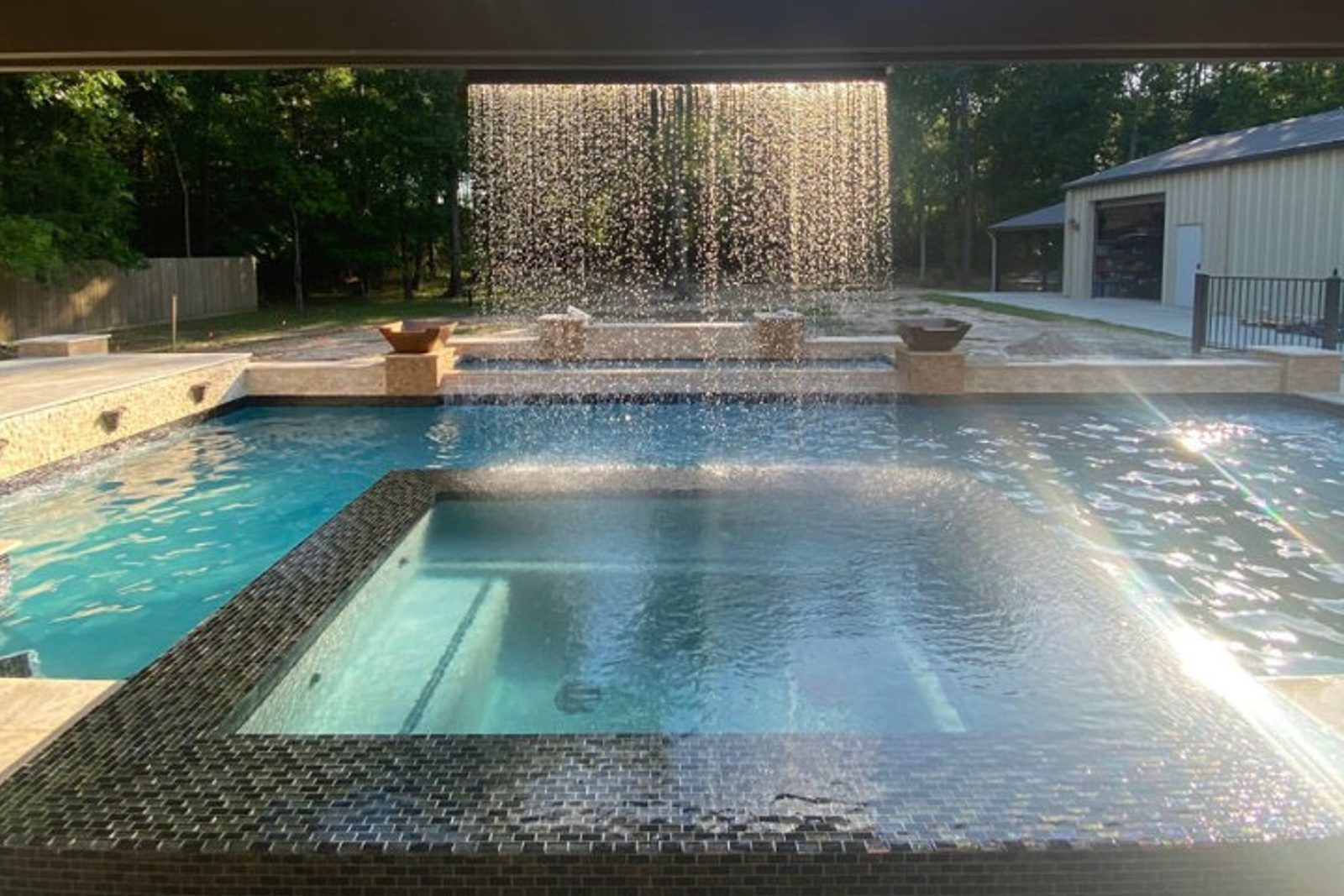
Pros
Visual Impact
Raised spillover spas add a dramatic design feature that creates visual appeal and soothing water sounds as water flows into the pool.
Better Heat Control
Because the raised portion receives direct sun exposure, spillover spas can warm more quickly and maintain comfortable temperatures.
Defined Relaxation Zone
The raised design creates a distinct lounging area for hydrotherapy separate from the main pool, perfect for quiet relaxation or social seating.
Cons
Higher Cost
Raised spillover designs usually cost more due to extra materials, structural needs, and engineering.
Potential Water Loss
Splashing and evaporation from spillover features may slightly increase water loss compared to integrated spas.
3. Stand‑Alone Portable Spas
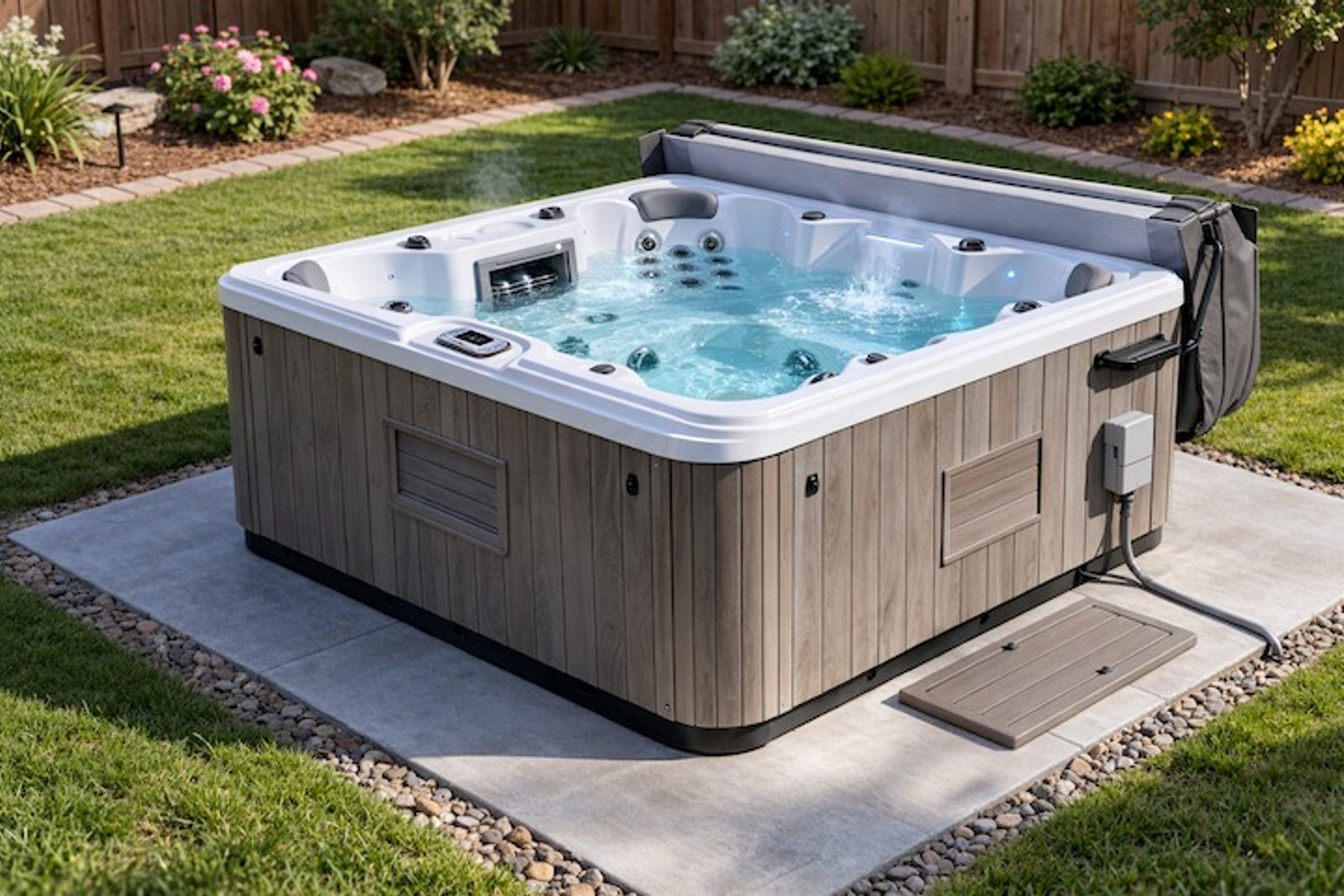
Pros
Flexible Location
Portable spas can be placed anywhere there is access to power and a support surface. They do not need to be tied into the pool structure and are great for smaller backyards or patio zones.
Lower Installation Cost
Because they do not require excavation or plumbing integration, portable spas are typically less expensive to install.
Easy Replacement
Portable units can be replaced or upgraded independently of the pool, giving you flexibility down the road.
Cons
Less Structural Integration
Portable spas may not feel as cohesive with the overall backyard design if not carefully coordinated with decking, shade structures, or outdoor kitchens.
Separate Maintenance
These units have their own maintenance needs, electrical requirements, and care routines, separate from the main pool.
Choosing Based on Lifestyle and Property
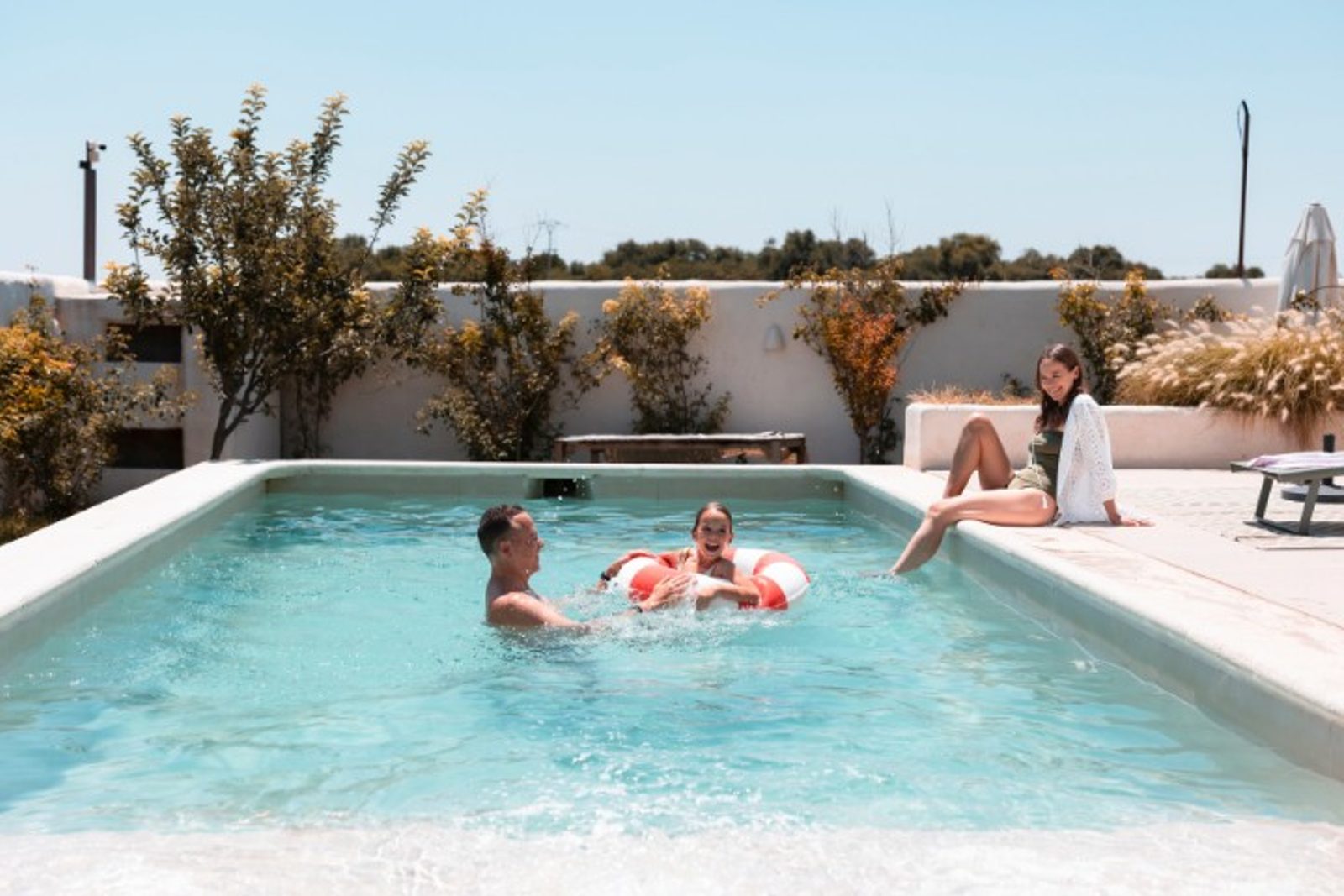
Small vs Larger Yards
For smaller backyards, fiberglass pools and portable spas may be ideal due to compact footprints and faster installation. For larger properties, concrete pools with integrated or raised spillover spas offer dramatic design possibilities and entertainment spaces.
Climate and Durability
In Houston’s humid climate, low‑maintenance surfaces like fiberglass and well‑sealed finishes such as pebble or tile can resist algae growth and stress from moisture. If you plan to use your pool year‑round, energy‑efficient equipment and heated spa areas become more attractive.
Maintenance, Energy, and Long‑Term Considerations
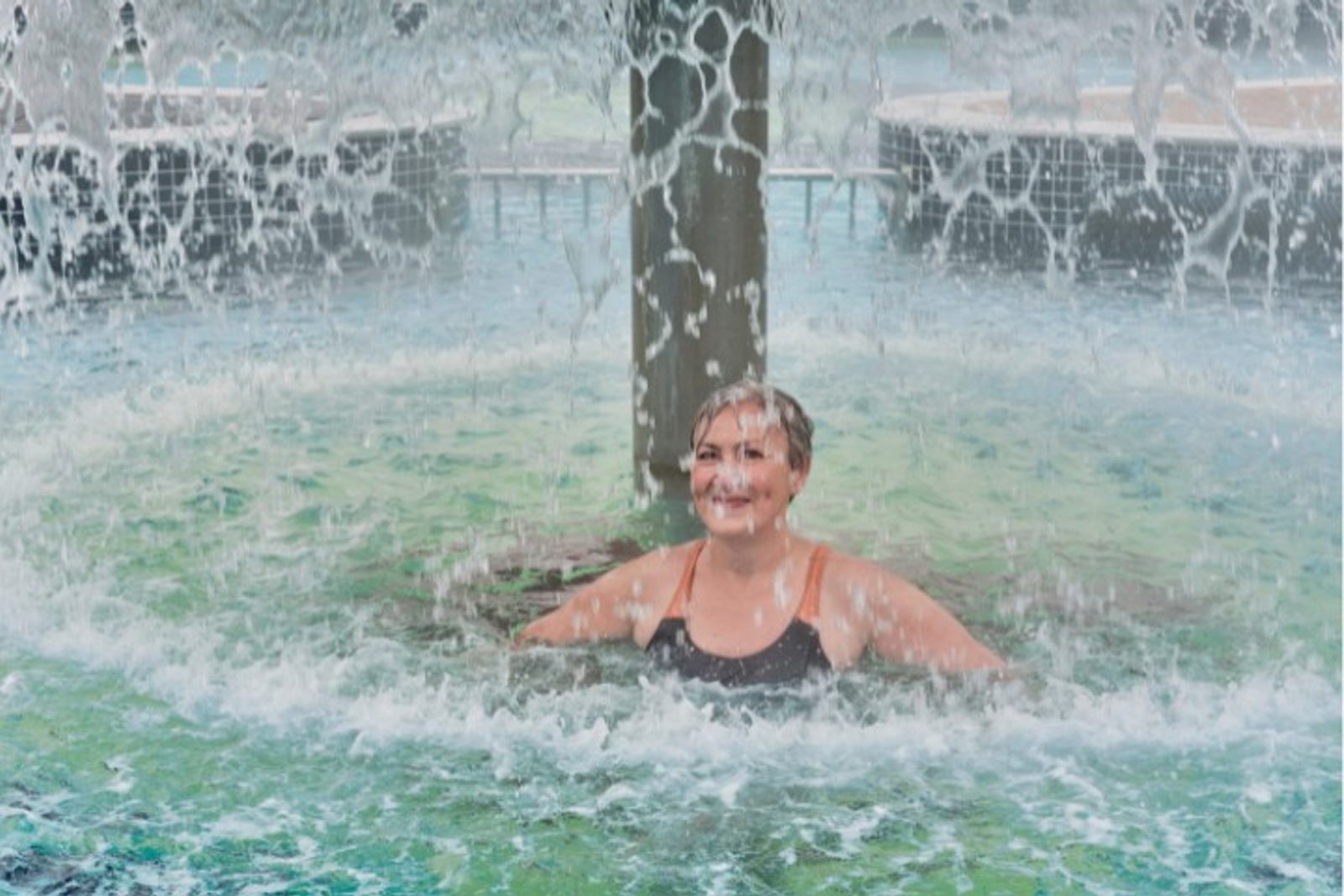
Maintenance Requirements
Vinyl liner pools may need liner replacements, while concrete pools require brushing and water chemistry balancing. Fiberglass surfaces are generally easier to maintain. Spa jets and plumbing systems should be flushed and cleaned regularly.
Energy Efficiency
Variable‑speed pumps, energy‑efficient heaters, automatic covers, and LED lighting help all pool types reduce operational costs. Some spas can operate independently from the main pool, offering targeted use that saves energy.
Hydrotherapy Benefits
Spas provide relaxation and muscle relief through jets, buoyancy, and heat. If hydrotherapy is a priority, integrated inground spas and raised spillover spas with high‑performance jets deliver the best overall experience.
Wrapping Up
Your choice among pool types and swimming pool types should reflect your lifestyle, budget, property size, long‑term maintenance comfort, and climate realities. Fiberglass offers speed and low maintenance, vinyl liner delivers affordability and flexibility, and concrete provides unmatched customization and durability. When it comes to spas, integrated designs provide cohesion, raised spillovers offer aesthetics and therapeutic appeal, and portable units deliver flexibility and cost savings.
By weighing qualities such as installation complexity, design flexibility, durability, and cost, you can create a backyard that suits your needs today and evolves with your family over time.

Ready to explore which pool type is right for your home? Stop by GM Outdoor Living, Pool & Spa’s Humble or Houston office to discuss a custom pool and spa design tailored to your backyard, lifestyle, and vision.
Contact us today to get started.
Related Articles

Planning Custom Patio Installation Around Your Pool
Your pool and patio should work as one system. Learn how smart planning prevents drainage problems, hot surfaces, awkward walkways, and costly construction changes.

Why Pool Water Turns Green: What's Really Happening in Your Pool
Houston storms can undo balanced pool chemistry in hours. Discover why rain, sunlight, and low chlorine create the perfect setup for green water.

Atascocita Pool Maintenance Tips Every Owner Needs
Atascocita’s heat, pollen, and storms can turn clear pool water fast. Learn the habits that keep algae, debris, and equipment issues under control.