Custom Spa Remodel Guide for Adding a Spa to an Existing Pool

Thinking about adding a custom spa as part of your existing pool remodel, but not sure where to begin? Planning a custom spa remodel requires careful inspection, smart design decisions, and clear communication with your pool builder to make sure the result feels like a natural extension of your backyard oasis. Whether you want a gentle relaxation zone, a strong hydrotherapy experience, or a dramatic focal point beside your pool, understanding the basics before you start will help you avoid common pitfalls and make confident decisions.
In this guide, you’ll learn what Houston homeowners should expect during a spa addition to pool project, from initial assessment and design lock‑in to plumbing, heater sizing, safety considerations, and final start‑up. We’ll compare popular retrofit paths and explain technical concepts like dedicated jet plumbing and spa heater sizing in plain language so you can understand how your custom spa will perform.
Part 1: Starting with a Pool Structure Assessment
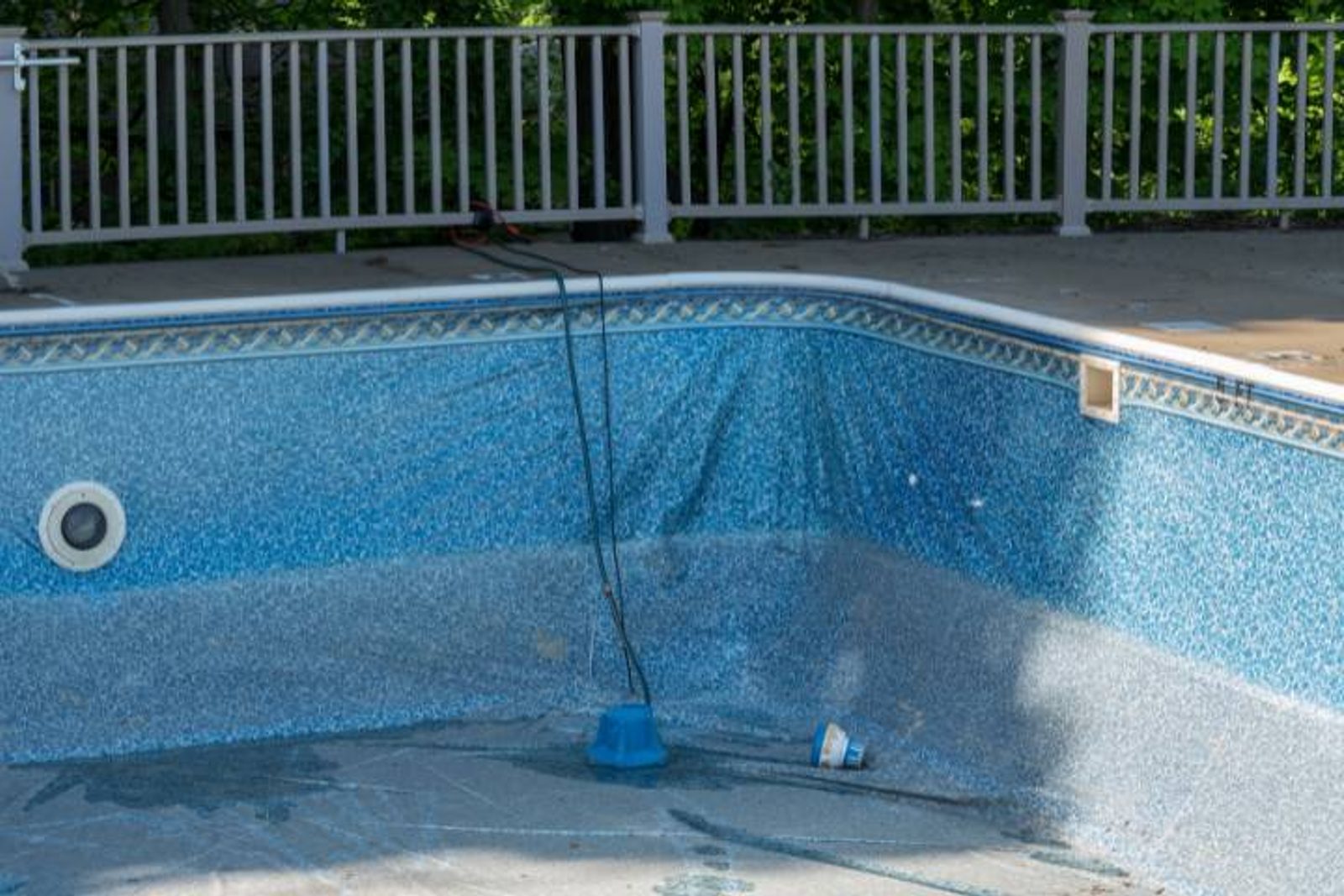
Inspecting What You Already Have
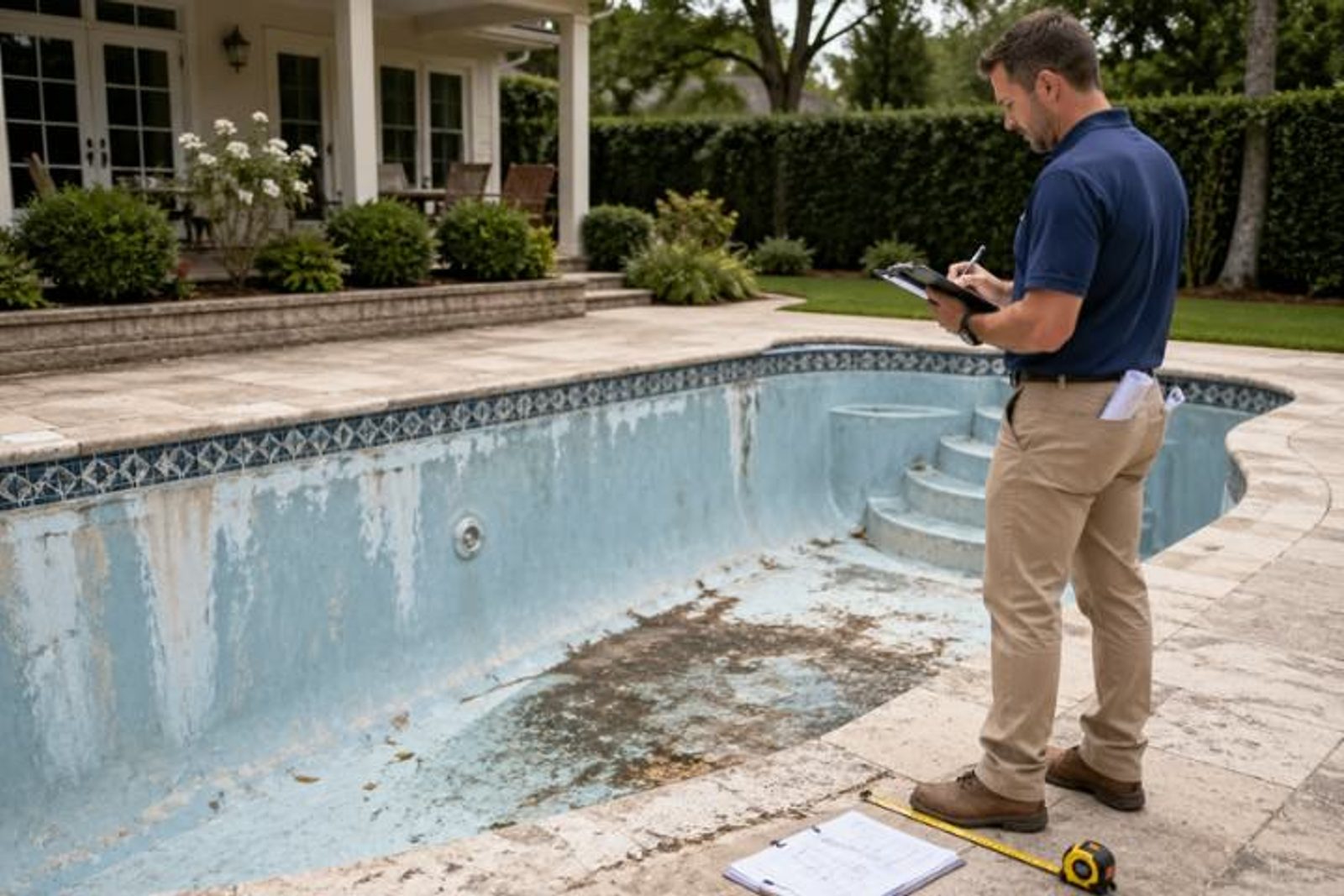
Before you discuss design ideas, a qualified builder must evaluate your existing pool structure.
This pool structure assessment typically includes:
- Checking the pool shell to verify it can support the additional weight of a spa, especially for attached spa designs or raised spillover builds.
- Evaluating decking modifications needed to transition from pool to spa and create safe walking surfaces.
- Reviewing equipment capacity evaluation to determine if your current pump, filter, and heater can handle the added workload.
- Identifying plumbing routes to see where new lines can run without compromising the current system.
- Looking at nearby soil conditions, yard access, and any need for structural engineering, pool reinforcement.
This assessment forms the basis for your retrofit sequencing plan and helps define design options that fit your yard and budget.
Part 2: Choosing the Right Spa Retrofit Path
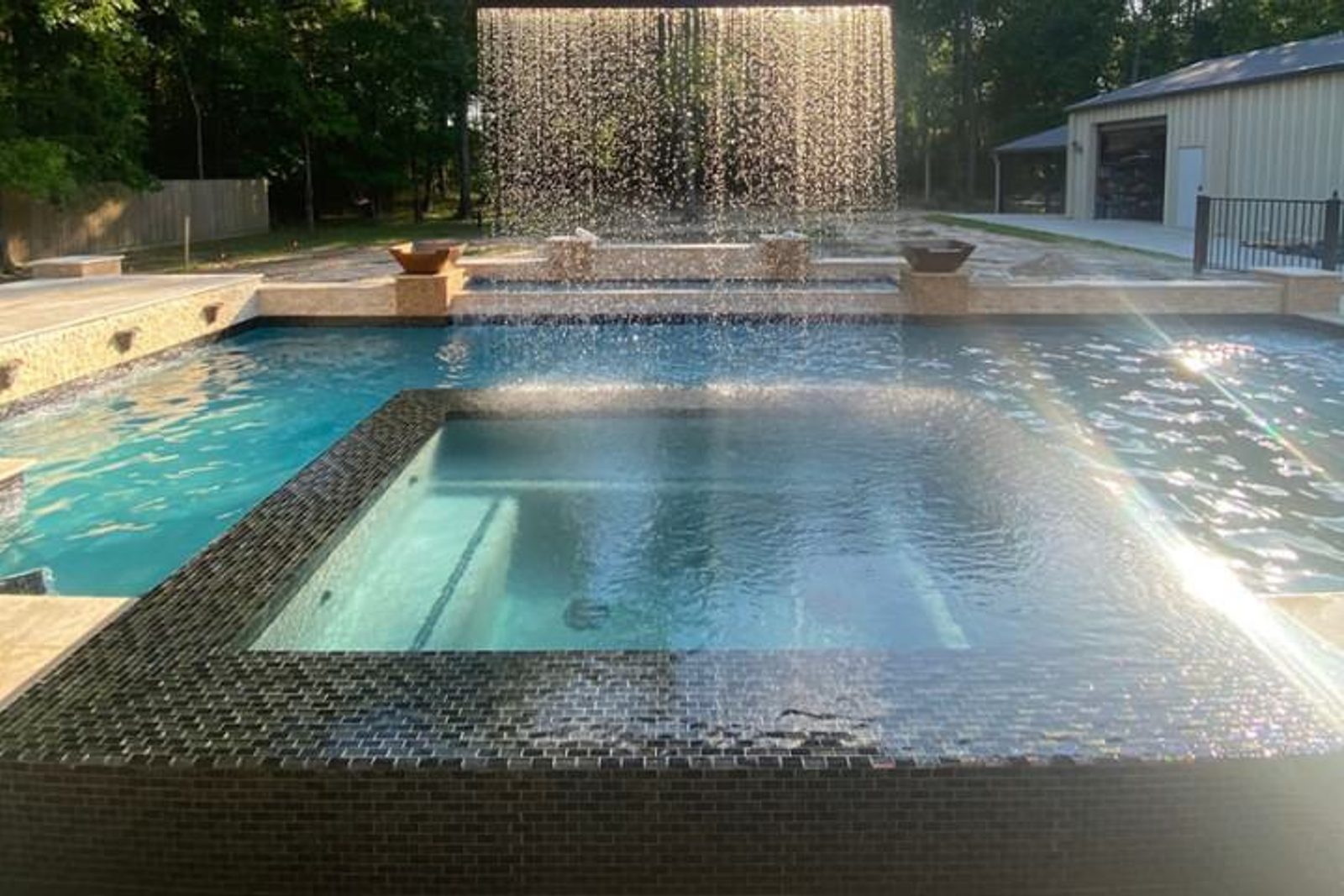
When remodeling your pool to include a spa, there are three common options:
1. Attached Spa Design
An attached spa hugs the profile of your existing pool, often sharing a partial wall or spillway.
Pros
- Looks cohesive, making the spa feel like part of the original pool design.
- Can share some plumbing and equipment, reducing costs.
- Easier to integrate lighting and decking.
Cons
- Requires careful structural planning.
- May need significant decking changes to accommodate spa elevation.
2. Raised Spillover Spa
Raise the spa above the pool level so that water “spills over” into the pool. This creates a notable visual effect and gentle sound.
Pros
- Adds drama and style to your design.
- Can enhance circulation between the spa and the pool.
Cons
- Costs more due to extra walls, plumbing, and sometimes a surge tank spillover.
- Requires more space and structural support.
3. Standalone Spa Installation
A standalone spa installation sits near the pool but is not physically joined.
Pros
- Flexible placement, especially in smaller yards.
- Easier to build without modifying the existing pool shell.
Cons
- May require separate equipment and extra plumbing.
- Less of a visual connection to the pool.
Each path has pros and cons, so talk with your builder about how your yard, budget, and lifestyle preferences influence the best choice.
Part 3: Understanding Dedicated Jet Plumbing

The feel and performance of your spa largely depend on how its hydrotherapy jets are plumbed.
Jet Lines, Valves, and Pump Selection
For a strong hydrotherapy feel, the plumbing must be designed to deliver consistent pressure to each jet. Key elements include:
- Dedicated jet plumbing rather than sharing lines with the main pool.
- Proper pump choices so the motor can push water with enough force. A variable speed spa pump can deliver energy savings and customizable flow.
- Jet valves allow you to divert flow between jets or reduce pressure for gentler streams.
- Diverter valve jets help you control where water goes in multi‑purpose systems.
Understanding how these work ensures your spa delivers consistent massage, relaxation, and therapeutic value.
Part 4: Spa Heater Sizing and Temperature Recovery

One of the most frequent homeowner concerns with a custom spa remodel is heat performance.
Heater Size and Heat‑Up Time
- A heater that’s too small will struggle to reach true spa temperatures (often 100–104°F).
- The amount of water in the spa, its location relative to wind and sun exposure, and heat‑retentive pool finishes all affect temperature recovery time.
- Building a spa next to the pool may call for a dedicated heater or a larger shared system, depending on how you plan to use both spaces.
Your builder should calculate spa heater sizing based on volume, local weather patterns, and desired heat retention.
Part 5: Safety and Drain Considerations
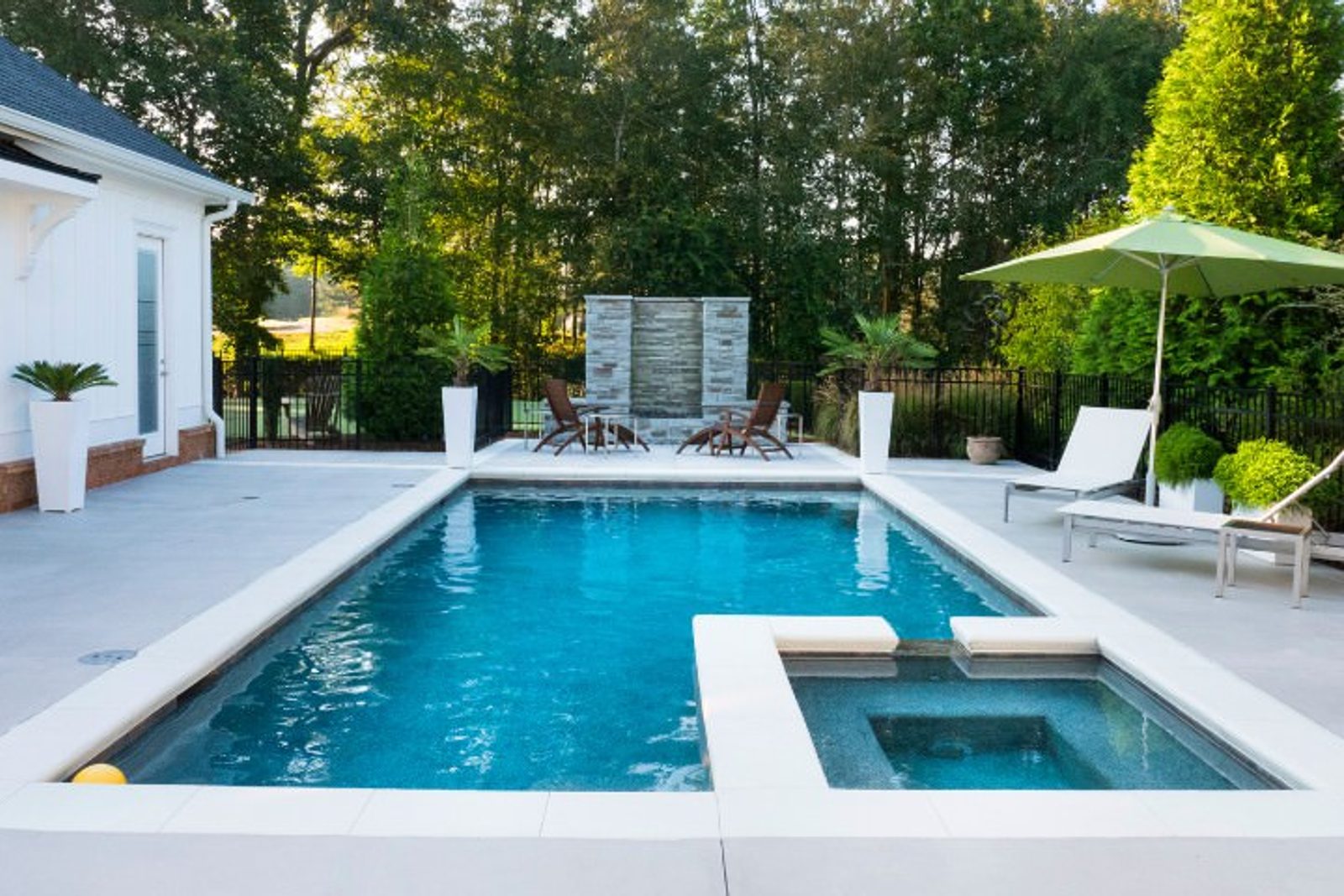
Adding a spa changes how water flows and how swimmers interact with the pool. Safety components are essential.
Anti‑Entrapment and Drain Safety
- Anti‑entrapment drains and drain safety covers prevent suction hazards.
- New spa additions must comply with VGB compliance spa standards and local codes.
- Ask your builder about safety inspection items and how they ensure compliance with pool safety questions.
Proper design prevents dangerous suction and keeps your spa safe for family and guests.
Part 6: Plumbing and Electrical Retrofits
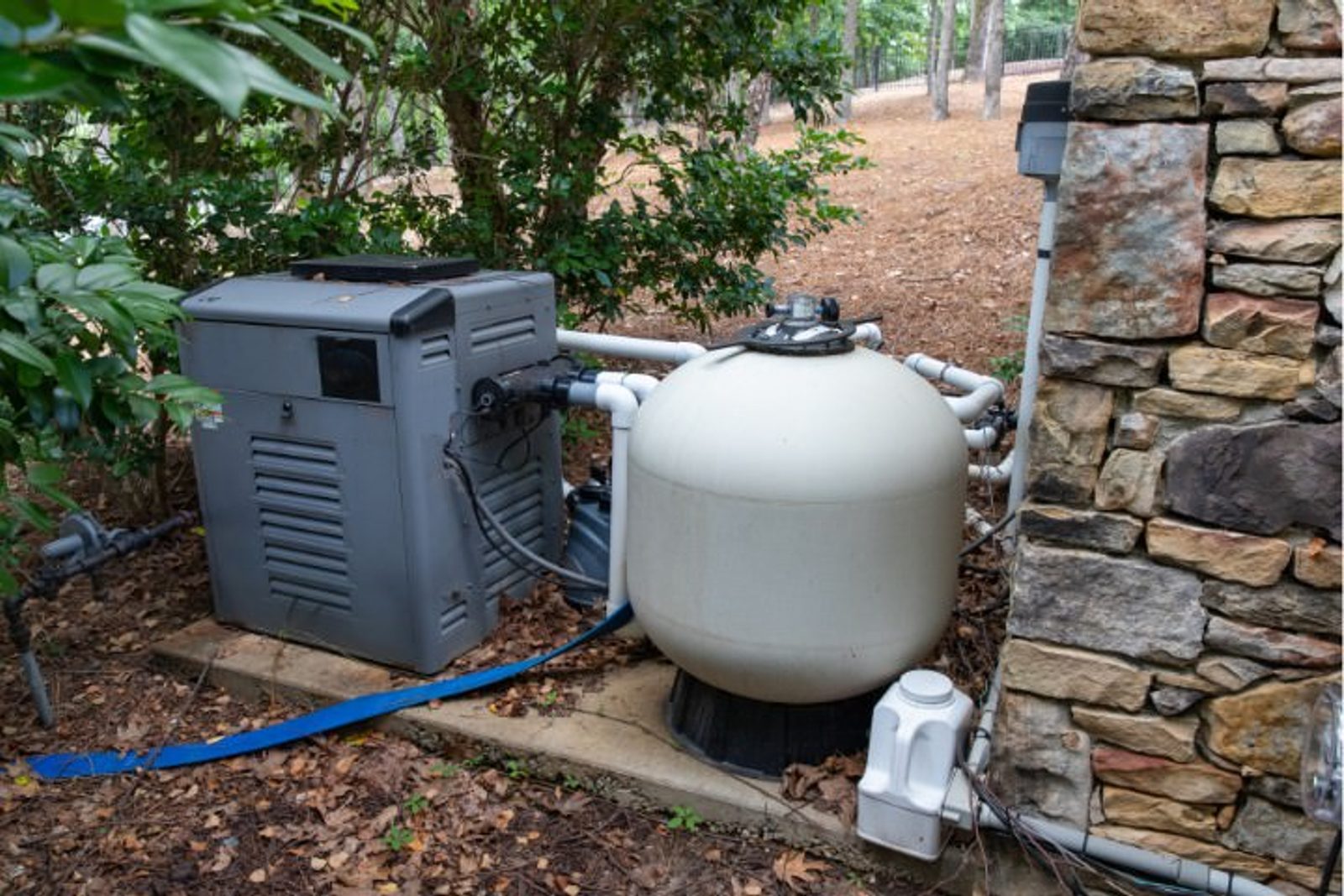
Plumbing Retrofit Challenges
Retrofitting plumbing for a spa often involves rerouting pipes or expanding your system to handle larger flows. This may include:
- Adding new suction and return lines.
- Reconfiguring filter connections.
- Installing a surge tank spillover, or auto‑fill valve, to keep water levels stable.
Electrical and Control Upgrades
Spa additions often require electrical upgrades for:
- Heaters
- Pumps
- Automation spa controls
- Lighting (LED or otherwise)
These upgrades should be handled by licensed professionals to ensure safety and compliance.
Part 7: Deck and Landscape Integration
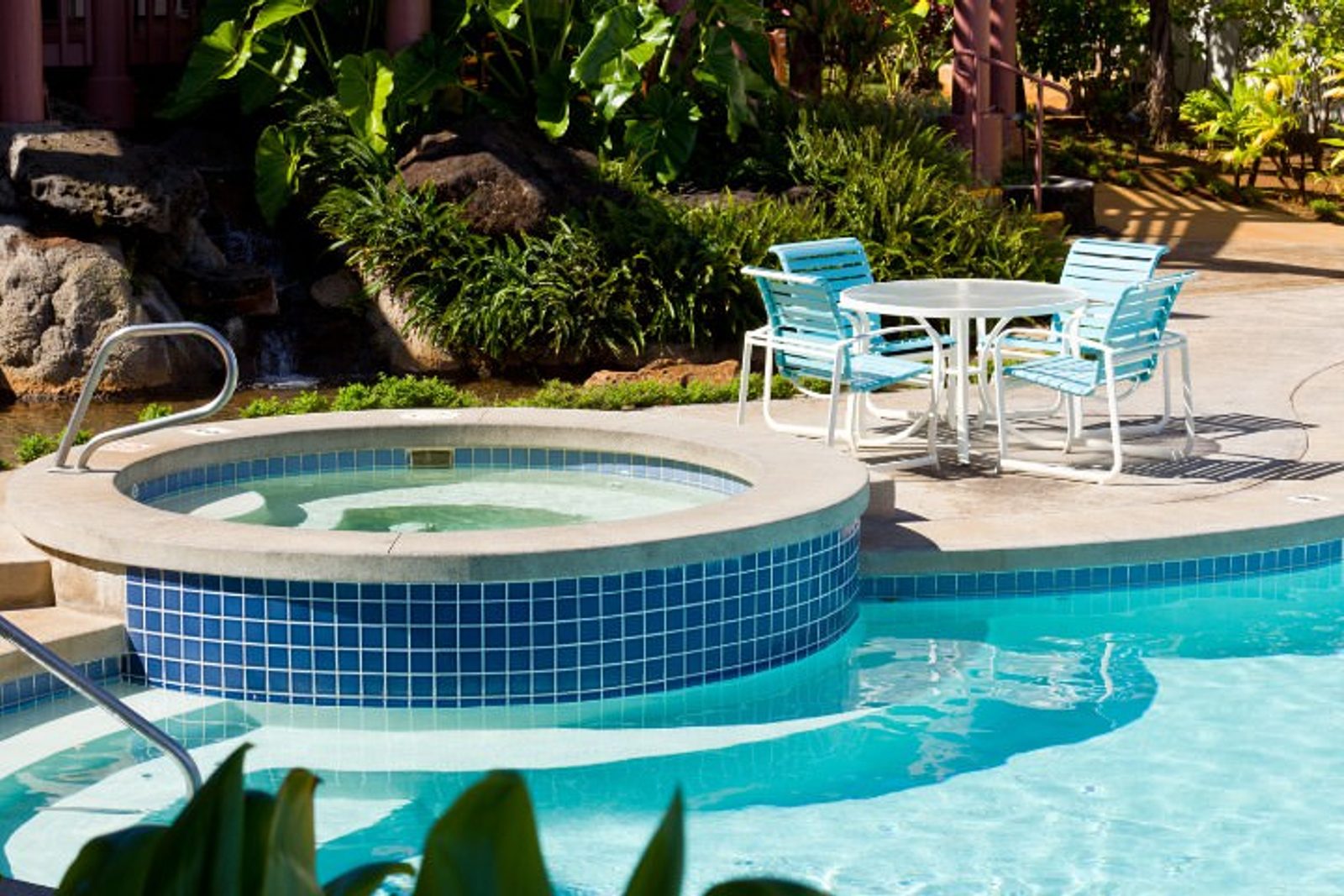
Deck Expansion and Aesthetic Continuity
Your deck may need expanding or regrading to incorporate the spa seamlessly. Think about:
- Bullnose edge decking around the spa
- Integration with pergolas, seating areas, or outdoor kitchens
- Landscape integration to tie the spa into the backyard
Well‑planned design helps your spa feel like part of a unified backyard oasis.
Part 8: Lighting, Automation, and Comfort Add‑Ons
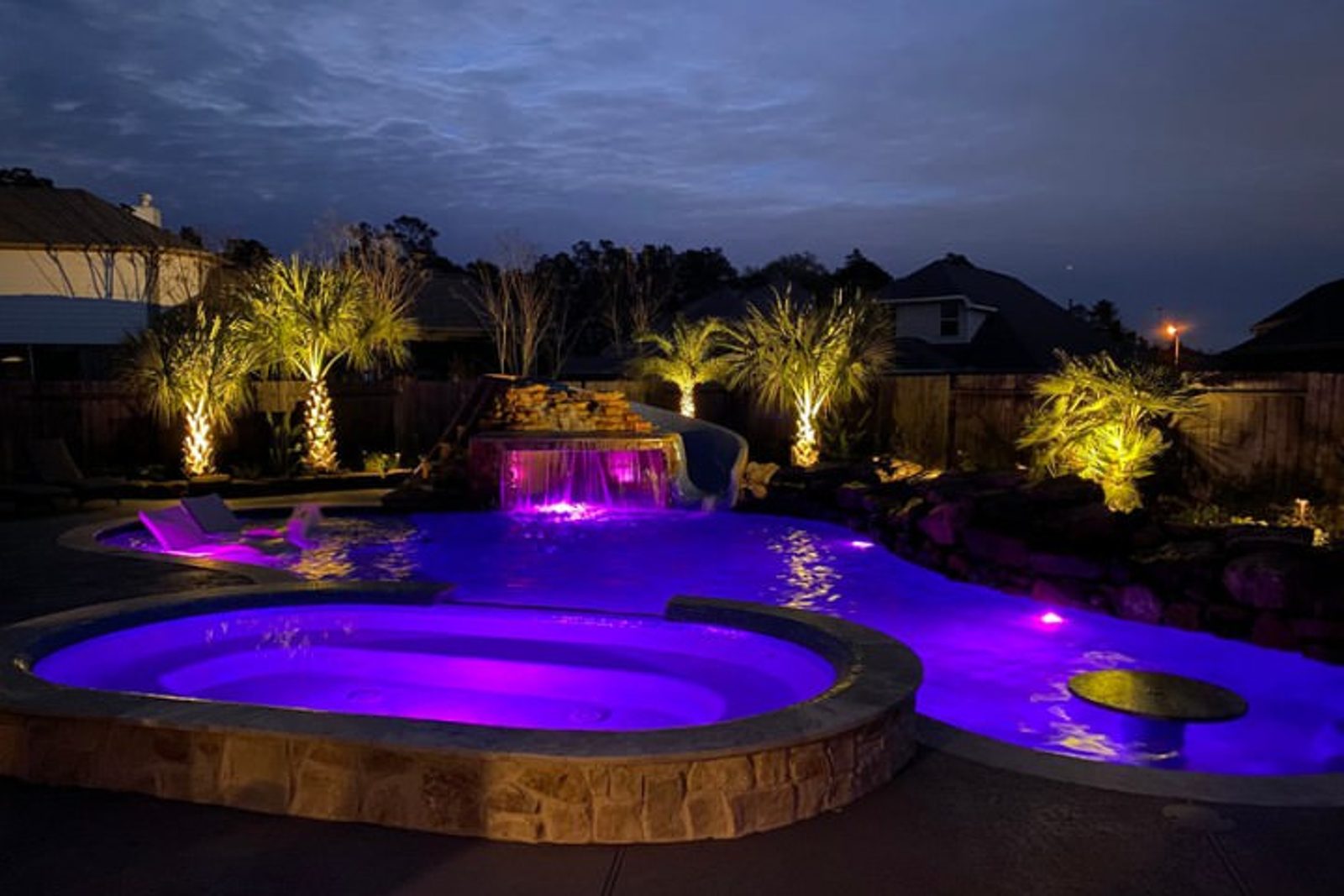
Enhancing the Experience
- LED spa lighting for ambiance at night
- Water circulation spa enhancements like ozone or UV sanitation
- Thermostatic controls for precise temperature management
- Blower system spa options for added massage and hydrotherapy
Investing in optional systems can elevate the ergonomics and enjoyment of your remodel.
Part 9: Startup, Maintenance, and Long‑Term Performance
Final Startup Steps
After construction, your builder will:
- Balance chemicals and check the chemical balance startup
- Test circulation and hydrotherapy jets
- Verify heater operation
- Check all safety devices
These steps ensure a smooth final transition and reduce costly callbacks.
Maintenance Access
Easy access to equipment ensures that routine maintenance is simple and cost‑effective. Work with your team to position mechanical components where they are accessible but out of sight.
Part 10: Common Pitfalls and How to Avoid Them
Avoid these common mistakes that can derail a custom spa remodel:
- Underestimating how much space you need
- Ignoring structural support or pool beam reinforcement needs
- Skipping professional assessments or soil checks
- Choosing pumps or heaters that are underpowered
- Leaving maintenance access or HVAC proximity unplanned
A seasoned contractor will help you navigate these issues and keep your remodel on track.
Wrapping Up
Adding a custom spa as part of an existing pool remodel can deliver years of enjoyment, higher home value, and a true resort‑style backyard experience. By understanding your options, prioritizing smart plumbing design, sizing heaters correctly, and choosing compliant safety components, you can plan, build, and enjoy a spa that feels original, intentional, and perfectly scaled to your property.
If you’re ready to bring your custom spa remodel to life, trust a team with experience in pool retrofit projects and personalized design. Contact GM Outdoor Living, Pool & Spa today to schedule a consultation and start designing your custom spa remodel.
Related Articles

How to Plan a Custom Outdoor Kitchen in Houston: A Step-by-Step Guide for Homeowners
Before you choose a grill or a layout, get the planning right. Here's how Houston homeowners can prepare for a custom outdoor kitchen, from space and utilities to drainage and HOA approval.

Planning Custom Patio Installation Around Your Pool
Your pool and patio should work as one system. Learn how smart planning prevents drainage problems, hot surfaces, awkward walkways, and costly construction changes.

Why Pool Water Turns Green: What's Really Happening in Your Pool
Houston storms can undo balanced pool chemistry in hours. Discover why rain, sunlight, and low chlorine create the perfect setup for green water.