Pool Safety Features Every Modern Pool Design Should Consider

Are you wondering which pool safety features are essential for protecting your family and guests while enhancing your backyard pool’s functionality and style? Modern pool design must prioritize safety just as much as aesthetics. With residential pool safety at the forefront of most homeowner concerns, it is important to integrate a variety of pool safety options from physical barriers to emergency equipment, circulation systems to compliant electrical protections.
In this article, we will explore a comprehensive set of pool safety features that reduce drowning risks, support compliance with guidelines like those from the CPSC (Consumer Product Safety Commission) and CDC (Centers for Disease Control and Prevention), and make your inground pool a safer place for everyone.
Layered Protection Begins with Physical Barriers
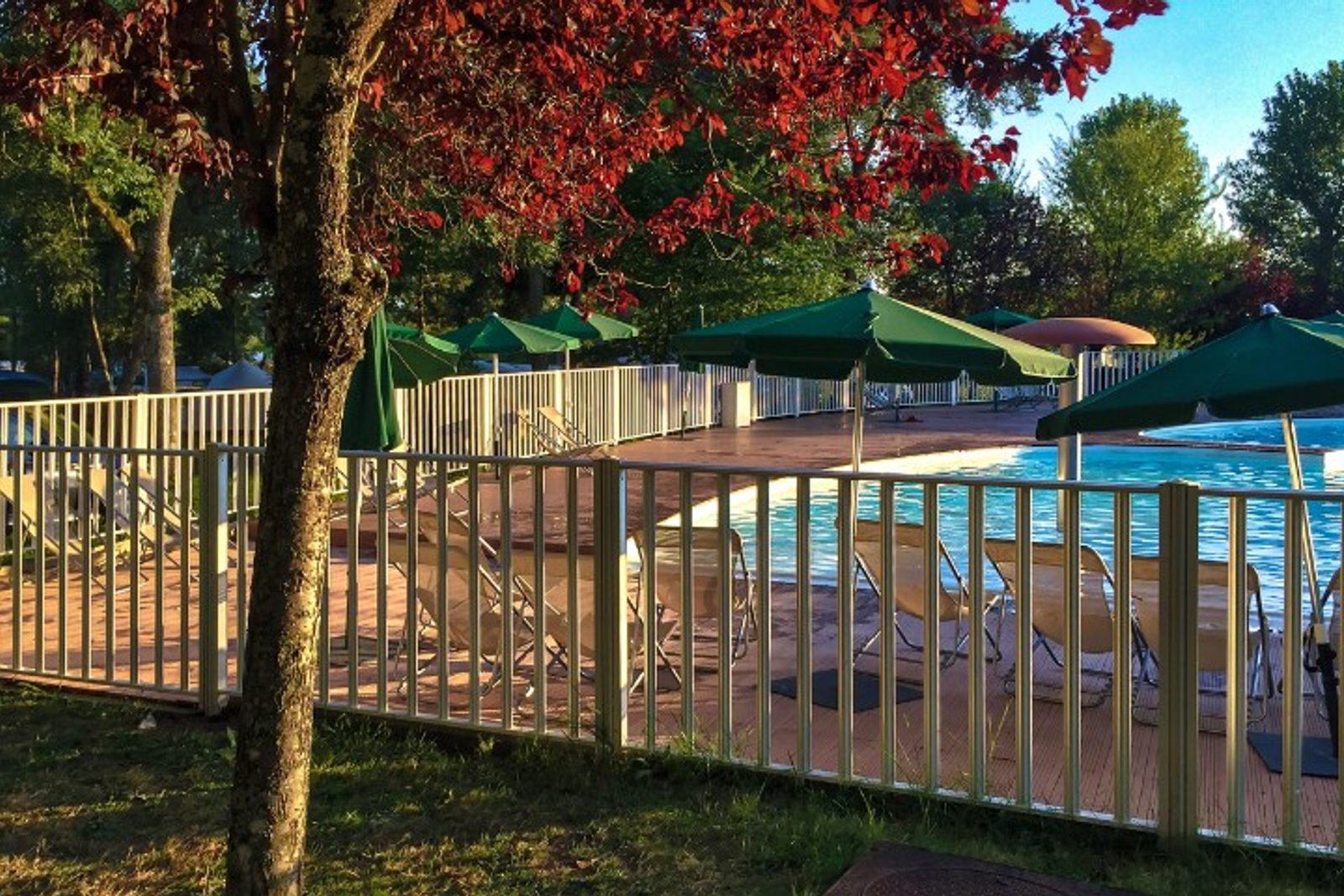
Four‑Sided Pool Fencing and Self‑Closing, Self‑Latching Gates
One of the most effective swimming pool barriers is a four‑sided pool fencing system that completely separates the pool from the house, yard, and other access points. This type of residential pool safety fence should be at least 54 inches high, with self‑closing pool gates and self‑latching gate hardware installed so children cannot open them easily.
This meets or exceeds many pool fence requirements in local safety codes and significantly reduces unsupervised access to the pool area.
Door and Gate Entry Alarms
For homes with direct access to the pool from sliding doors or patio entrances, pool alarm systems or individual door alarms add another layer of security. These systems alert you immediately when a gate is opened or if there is an unexpected surface disturbance, giving you a crucial early warning.
Secure and Compliant Pool Covers
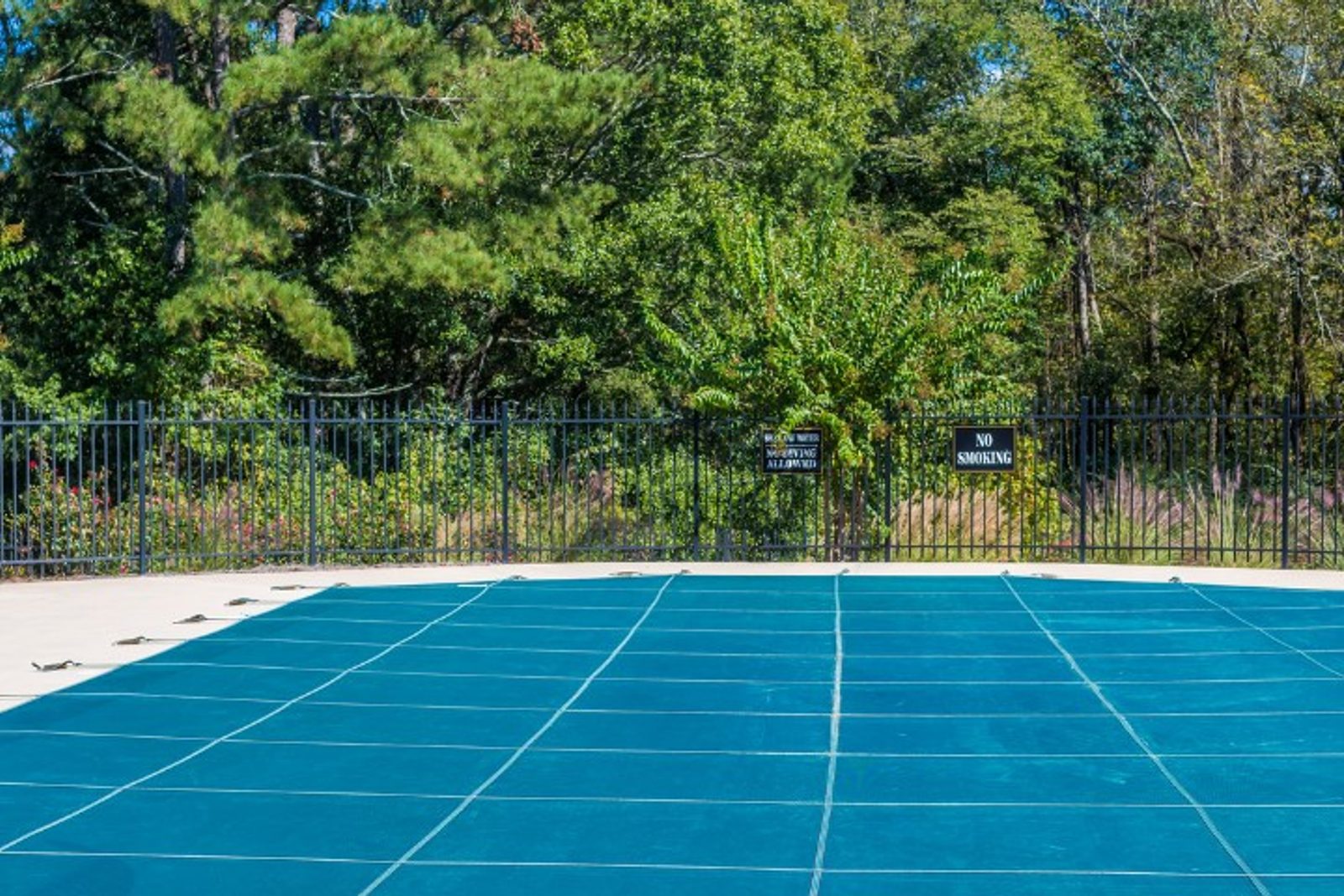
ASTM‑Compliant Safety Covers
A safety pool cover that meets ASTM standards provides secure protection when the pool is not in use. ASTM-compliant covers support weight, prevent unauthorized entry, and help reduce accidental drownings by creating a physical barrier over the water.
These covers are an important part of your pool safety checklist, especially for families with small children or pets.
Anti‑Entrapment Drains and Suction Safety
Anti‑Entrapment Drain Covers and Dual Main Drains
Pool drain safety is critical. Preventing suction‑related hazards means ensuring your pool has anti‑entrapment drains with covers that meet modern safety standards. Dual drains or other compliant systems help distribute suction and reduce the risk of entrapment incidents.
Providing safe circulation and preventing suction accidents are key components of inground pool safety features.
Slip‑Resistant Surfaces and Deck Safety
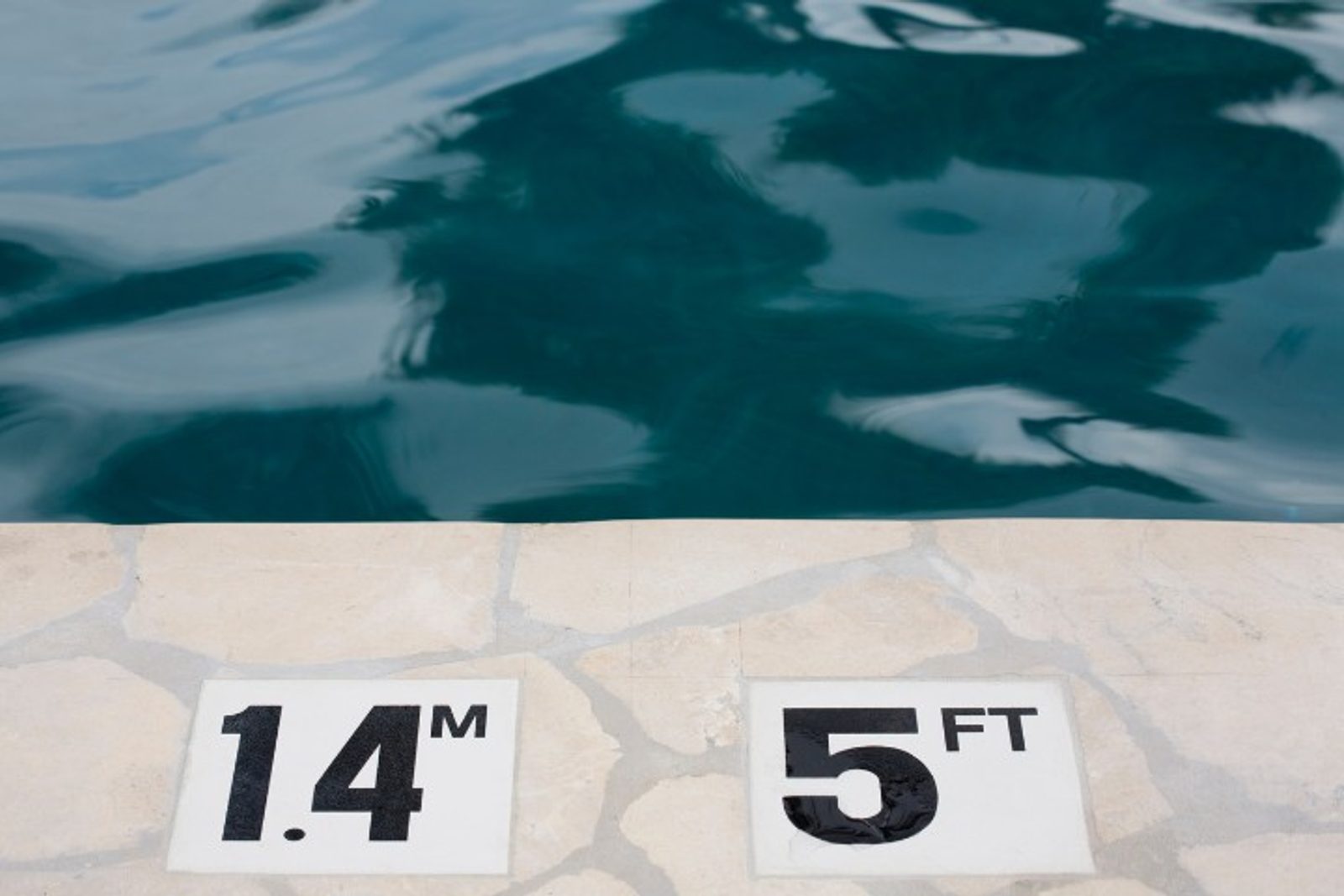
Accidents around the pool often happen outside the water. Choosing a non‑slip pool deck surface contributes to safer footing and fewer slip‑and‑fall accidents. Materials like textured concrete, pavers, or specially coated surfaces help maintain traction, especially when wet.
In addition, clear pool depth markers on the deck and pool walls help swimmers understand where shallow areas end and where deeper water begins, increasing awareness and preventing diving accidents.
Proper Lighting and Visibility
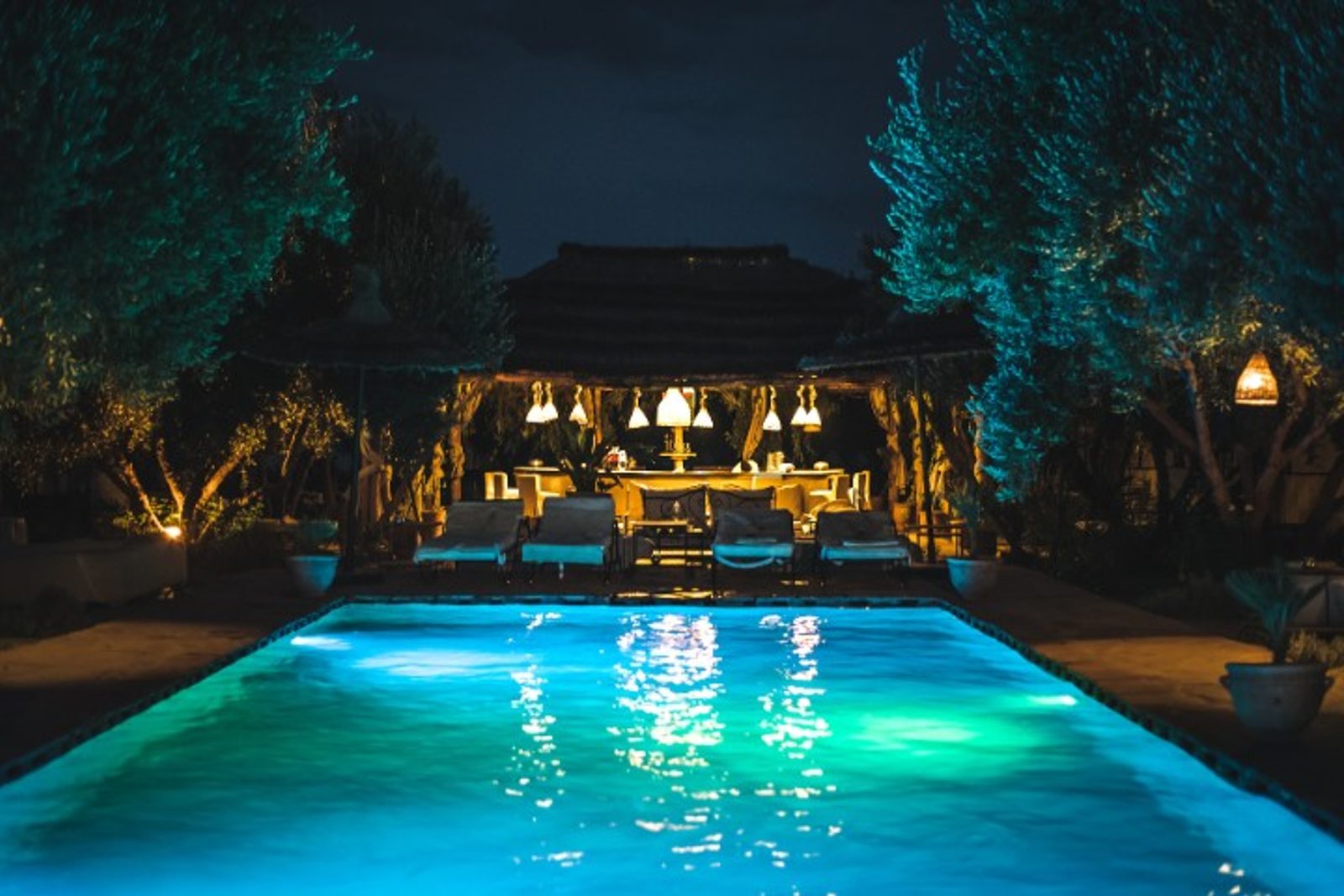
Pool Lighting Visibility at Night
Good pool lighting visibility is essential for evening swimming. Well‑placed lights around the pool deck, steps, and waterline help identify edges and drop-offs, while motion or zone lighting enhances supervision zones. When designing your pool, consider lighting that improves safety without compromising ambiance.
Electrical Safety and Equipment Protection
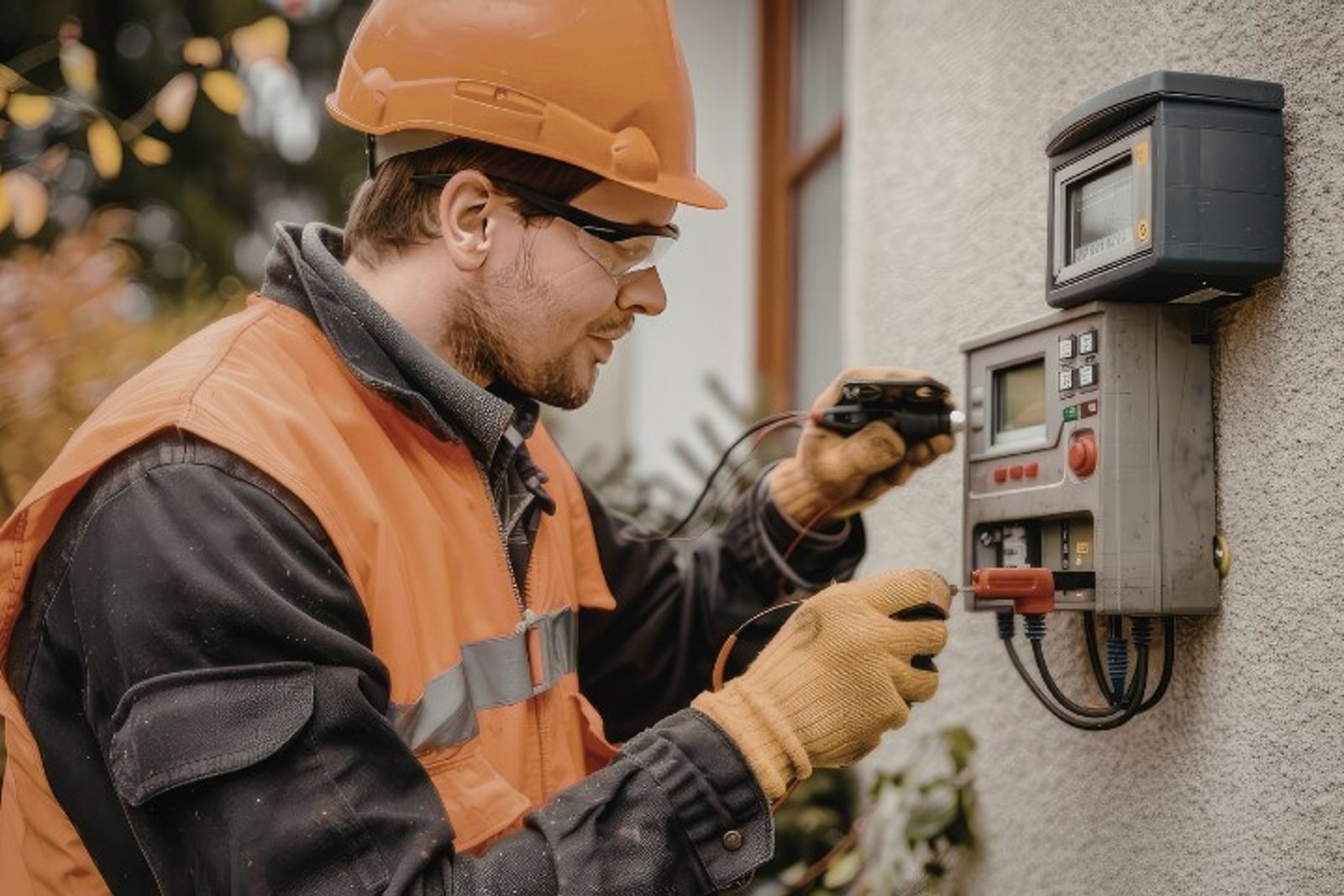
GFCI Pool Outlets and Bonding
Electrical safety is a non‑negotiable element of a modern pool. All outdoor outlets near the pool should be GFCI pool outlets to reduce the risk of shock. Additionally, proper equipment bonding grounding ensure that pumps, heaters, lights, and other components remain safe and compliant with electrical codes.
These compliant pool equipment practices help prevent electrical hazards that could cause injury or damage.
Emergency Equipment and Rescue Tools
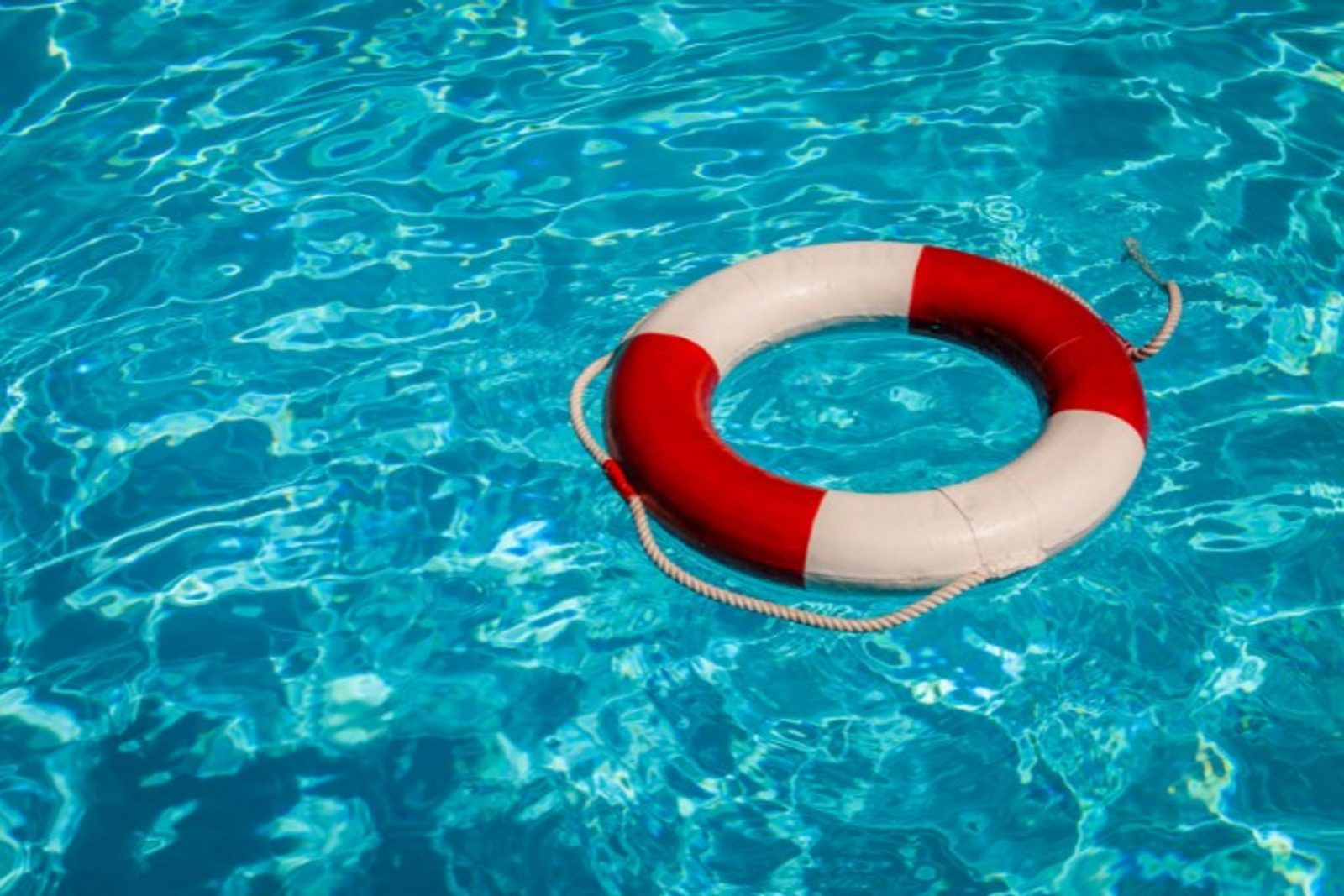
Life Rings, Reach Poles, and CPR Preparedness
Even with the best safety planning, emergencies can happen. Stock your pool area with essential emergency rescue equipment, such as life rings, and reach poles. These tools allow rescuers to assist someone in distress without entering the water.
Encouraging or requiring CPR training pool owners reinforces safe practices and prepares households to act immediately if an emergency occurs.
Smart Pool Technology and Automation
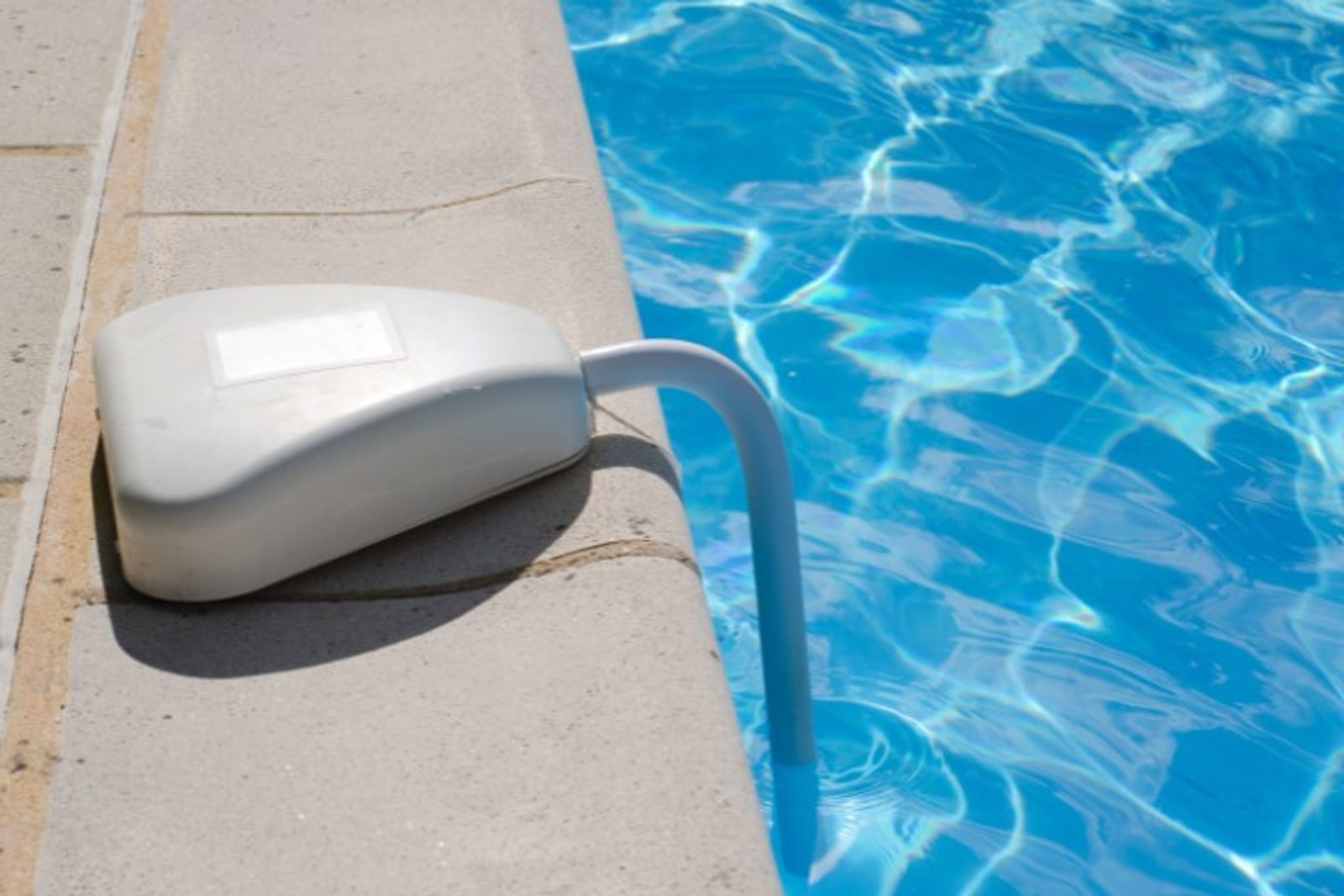
Pool Surface Alarms and Smart Systems
Modern technology offers enhanced pool safety options, including pool surface alarms, underwater motion detectors, and smart automation systems. These systems can alert homeowners to unexpected pool activity, support scheduling for supervision zones, and integrate with mobile devices for remote monitoring.
Automation helps streamline pool management and supports long‑term pool water quality improvement and safety.
Pool Circulation and Sanitation for Health and Safety
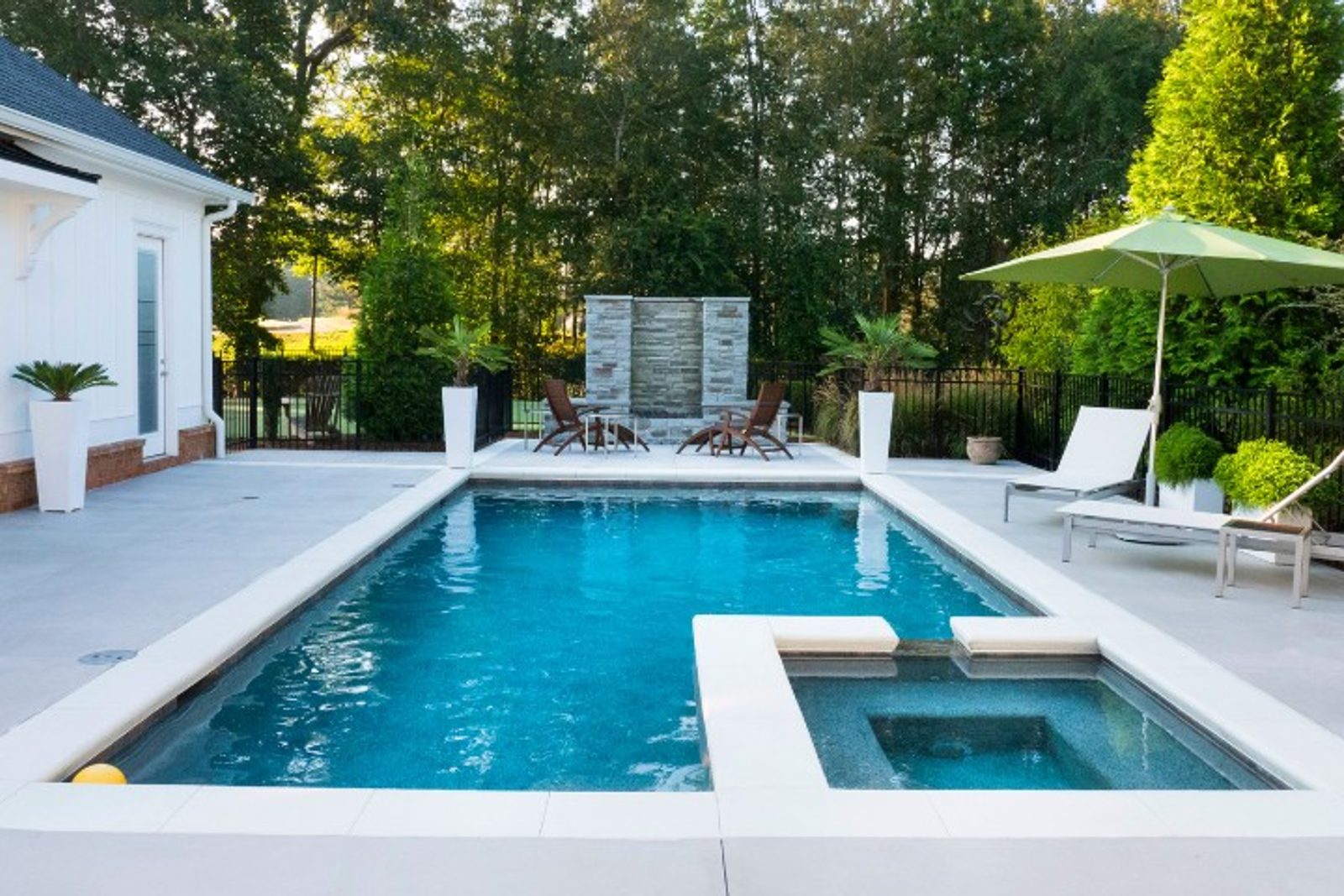
Pool Circulation Systems and Sanitation
Safe swimming involves more than preventing accidents; it includes maintaining clean water. Efficient pool circulation systems and sanitation options help prevent contamination, algae buildup, and chemical imbalances. While this relates to overall pool health more than immediate access hazards, it is an important part of responsible pool design.
Communication and Rules Around the Pool
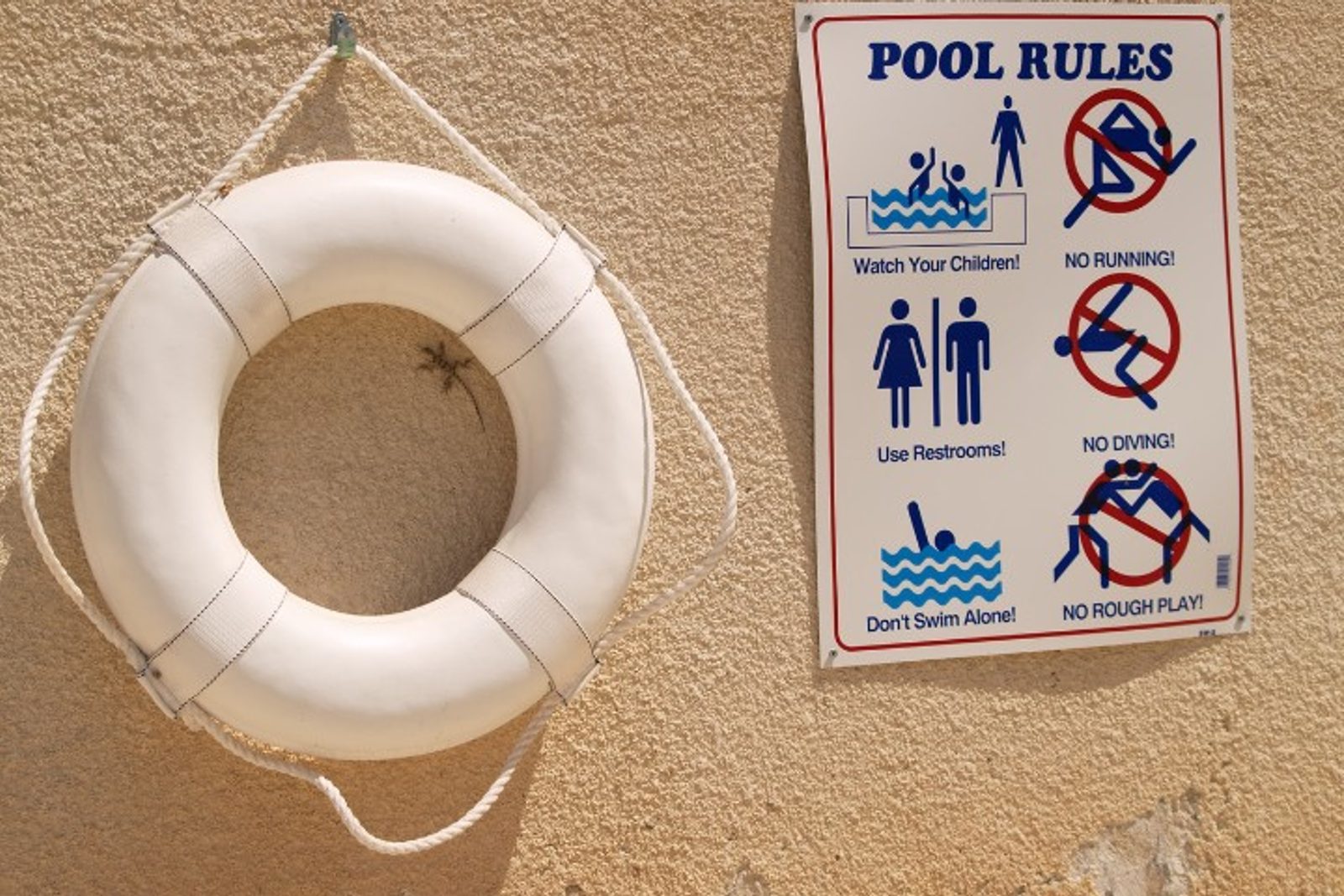
Pool Rules Signage and Clear Sightlines
Posting pool rules signage that outlines safety expectations, no‑running zones, and supervision requirements encourages responsible behavior. Position signage where it is clearly visible from seating areas and entrances.
Also, build your pool with clear sightlines from patios, kitchens, or common areas so caregivers can easily keep an eye on swimmers.
Compliance with Local Codes and Safety Guidelines

CPSC Pool Barrier Guidelines and Local Codes
Safety guidelines from organizations such as the CPSC provide a framework for what constitutes good pool safety practice. In addition, many cities and counties have their own local pool safety codes or inspection requirements. Understanding these and ensuring your pool meets them is a critical step in protecting your home and family.
Regular pool safety inspection and adherence to zoning, fencing, and electrical standards help ensure your pool remains compliant and safe.
Lifestyle and Supervision Strategies

Supervision Zones and Active Monitoring
No matter how many pool safety features you install, active supervision remains one of the most effective ways to prevent accidents. Creating designated supervision zones helps ensure that adults can watch swimmers without obstructions or distractions.
Educating family members and guests on pool rules, ensuring there is always a responsible adult overseeing activity, and combining technology with human observation support a layered protection strategy.
Long‑Term Safety Planning
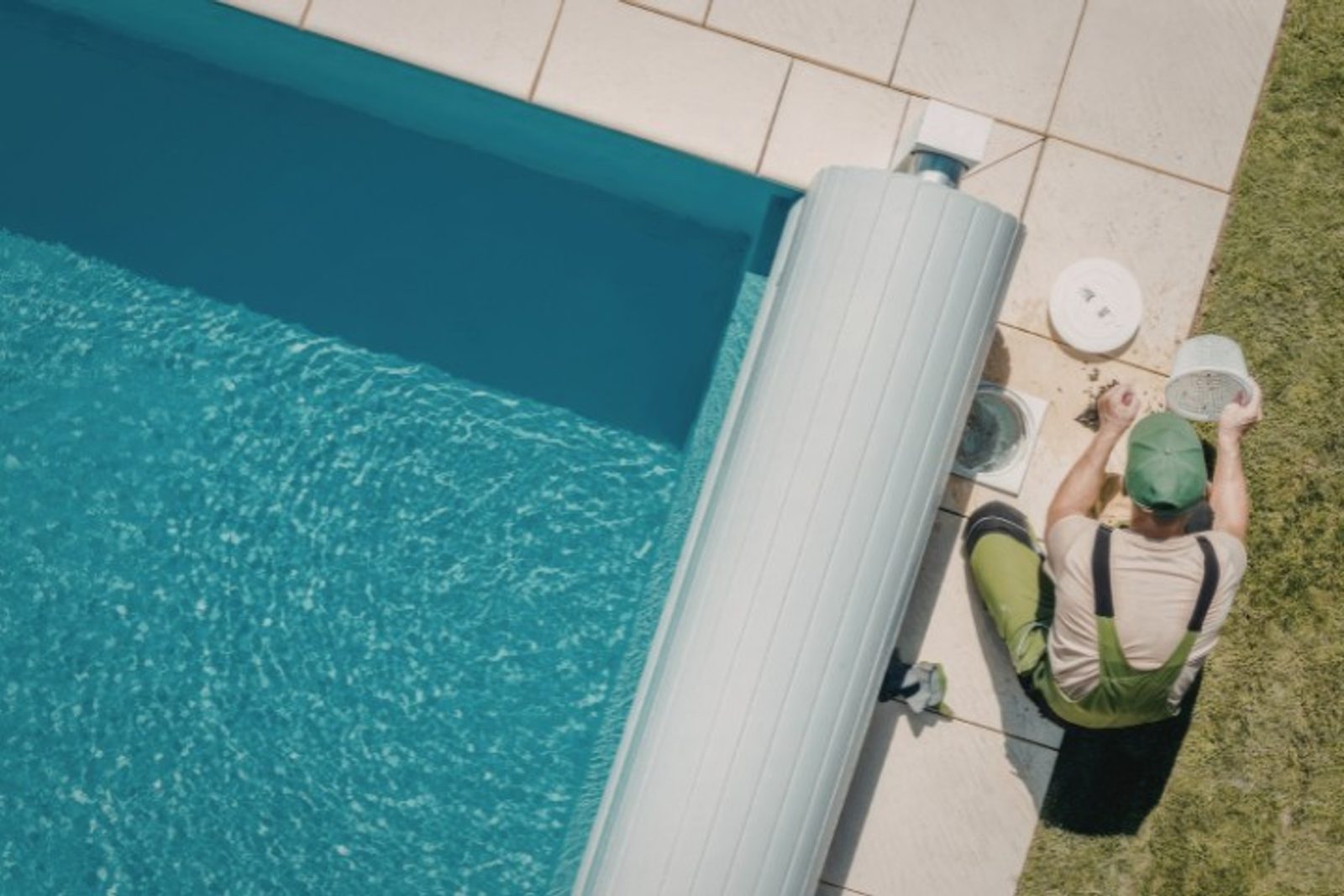
Scheduled Inspections and Maintenance
Regular maintenance and safety checks keep your pool functioning well and preserve safety features. Scheduling ongoing inspection by professionals helps catch wear, structural issues, or equipment failure early.
By investing in pool safety features that integrate with design and long‑term care, you create a pool environment that balances function, enjoyment, and peace of mind.
A Comprehensive Pool Safety Checklist
Here are the key elements to include in your pool safety checklist for residential use:
- Four‑sided fencing with self‑closing and self‑latching gates
- Compliant safety pool covers with secure locking systems
- Pool alarm systems for gates and water surface activity
- Non‑slip pool deck materials
- Clearly marked pool depth markers
- Proper pool lighting visibility for night use
- GFCI pool outlets and proper equipment bonding
- On‑site emergency rescue equipment, such as life rings and reach poles
- Pool rules signage, and supervision zones
- Regular pool safety inspection compliance checks
- CPR training for household members
Final Thoughts
Modern pool design should never sacrifice safety for style or convenience. By incorporating robust pool safety features, you protect swimmers, reduce risks, and ensure your outdoor pool is a welcoming space for friends and family. From physical barriers like four‑sided fencing and self‑latching pool gates to advanced pool alarm systems, emergency rescue tools, and compliant electrical protections, thoughtful design and ongoing supervision make all the difference.
For Houston homeowners planning a new pool or renovating an existing one, prioritizing safety now can prevent heartache later. By combining smart planning, quality materials, technology, and responsible practices, your pool becomes a safer and more enjoyable place for everyone.
Ready to integrate essential pool safety features into your modern pool design?
Contact GM Outdoor Living, Pool & Spa or visit us at our Humble or Houston office to learn how we can help you build a safer, stylish, and compliant backyard pool.
Related Articles

Planning Custom Patio Installation Around Your Pool
Your pool and patio should work as one system. Learn how smart planning prevents drainage problems, hot surfaces, awkward walkways, and costly construction changes.

Why Pool Water Turns Green: What's Really Happening in Your Pool
Houston storms can undo balanced pool chemistry in hours. Discover why rain, sunlight, and low chlorine create the perfect setup for green water.

Atascocita Pool Maintenance Tips Every Owner Needs
Atascocita’s heat, pollen, and storms can turn clear pool water fast. Learn the habits that keep algae, debris, and equipment issues under control.