Why Pool Water Turns Green: What's Really Happening in Your Pool

Have you ever walked out to your backyard, looked at your pool, and found water that looks more like a swamp than a swimming pool? Green pool water is one of the most frustrating problems a Houston homeowner can face, especially when you were swimming in it just days before. But here is the good news: green water is not random, and it is not a mystery. There is always a reason it happens, and understanding that reason is the first step toward getting your pool back.
This guide breaks down exactly why pool water turns green, what conditions allow it to happen so fast, and why diagnosing the root cause matters before you start treating anything.
Green Pool Water Is Almost Always an Algae Problem
In the vast majority of cases, green pool water is caused by algae growth. Algae are microscopic plant-like organisms that exist naturally in the environment. They float in the air, land in your pool, and wait for the right conditions to bloom.
When your pool water is properly balanced and chlorine levels are where they need to be, those algae spores have no chance. The sanitizer kills them before they can take hold. But the moment your pool's defenses slip, even briefly, algae can multiply at a remarkable rate.
A single warm afternoon combined with low free chlorine is sometimes all it takes to go from a clear pool to a visibly green one.
The Most Common Culprits Behind Green Algae Blooms
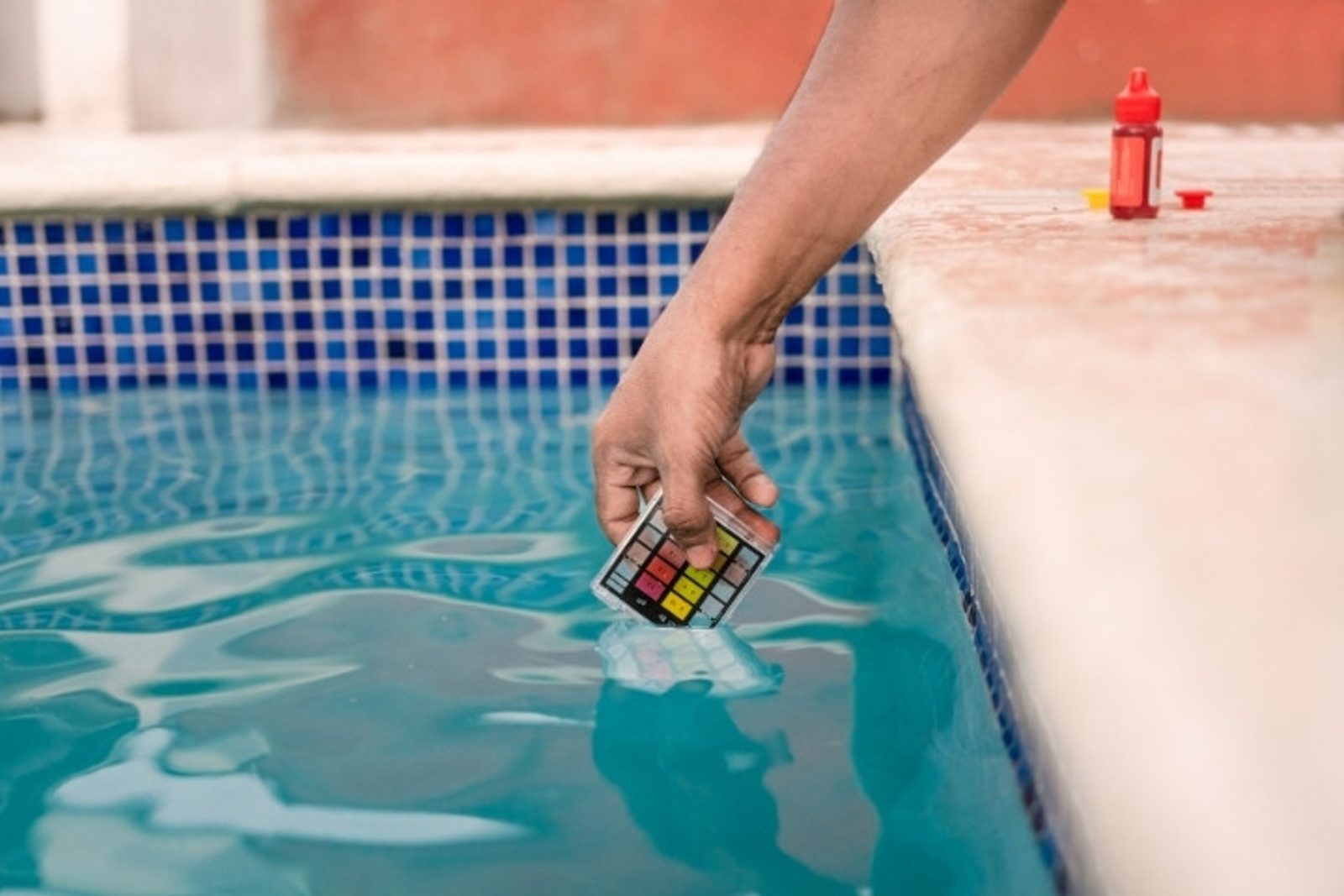
Several specific conditions create the perfect environment for algae to take over:
- Low or depleted chlorine levels: Free chlorine is your pool's primary sanitizer. When chlorine levels drop below the recommended range (typically 1 to 3 ppm), algae spores that land in your water are no longer being neutralized. Green algae, the most common type, spreads quickly once chlorine stops doing its job.
- Poor water chemistry and pH imbalance: Even when chlorine is present, an incorrect pH level can make it largely ineffective. When pH climbs too high, chlorine loses much of its sanitizing power. Total alkalinity and calcium hardness also play a role in keeping water balanced enough for chlorine to work properly.
- High cyanuric acid (CYA) levels: Cyanuric acid, often called stabilizer or conditioner, protects chlorine from being burned off by UV rays. That is useful, but too much CYA binds chlorine and weakens its ability to kill algae. Pools with excessive CYA levels can test as having "enough" chlorine while still being unable to stop an algae bloom.
- Elevated phosphate levels: Phosphates are nutrients, and algae feed on them. Pool phosphates enter the water through fertilizers, lawn runoff, leaves, and even some pool chemicals. High phosphate levels create a food source that fuels faster and more aggressive algae growth.
- Prolonged sun exposure and high temperatures: Houston summers are brutal. Extended UV exposure accelerates chlorine depletion, and warm water temperatures are ideal for algae growth. A pool that sits in direct sun for most of the day during peak summer heat is at higher risk for an algae bloom, especially if chlorine is not being replenished frequently enough.
- Missed maintenance cycles: Algae blooms rarely happen after one skipped day. But a few consecutive days of missed testing, inconsistent chemical additions, or neglected brushing can allow conditions to shift enough for algae to get started.
How Houston Weather Makes This Worse
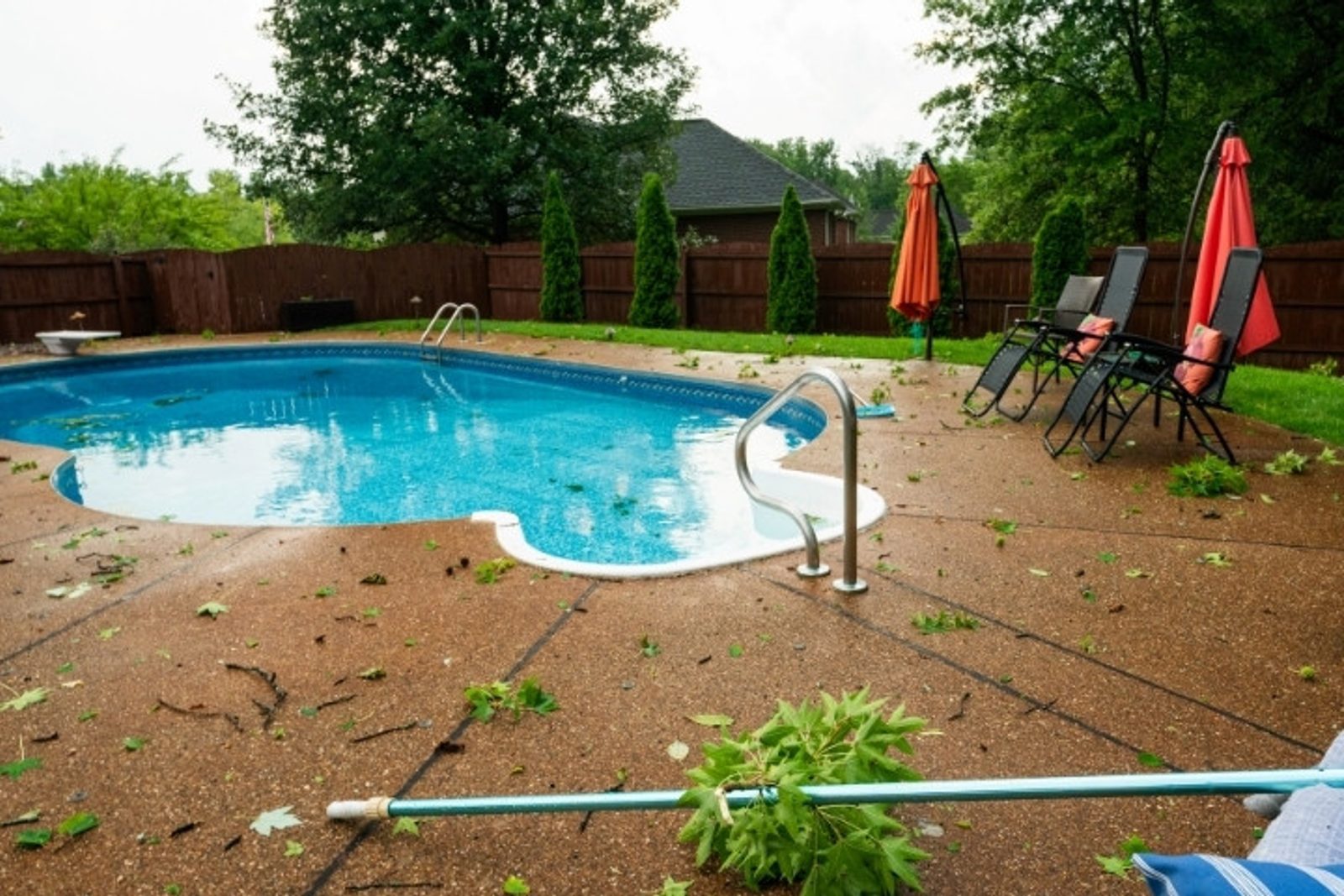
Houston's climate creates specific challenges that accelerate green pool water problems. Heavy rainfall is one of the biggest contributors. When large amounts of rain fall into a pool, it dilutes and throws off water chemistry across the board. Pool rain dilution drops chlorine concentrations, shifts pH, affects total alkalinity, and introduces organic matter and contaminants from runoff.
After a significant storm, a pool that was balanced the day before can quickly fall out of range. Many Houston homeowners discover green water in the days following a heavy rain event precisely because the dilution effect went unaddressed.
The combination of heavy rainfall, followed immediately by intense UV exposure and heat as skies clear, creates a rapid double-hit on pool chemistry that can trigger an algae bloom faster than most people expect.
Filtration and Circulation Matter as Much as Chemistry
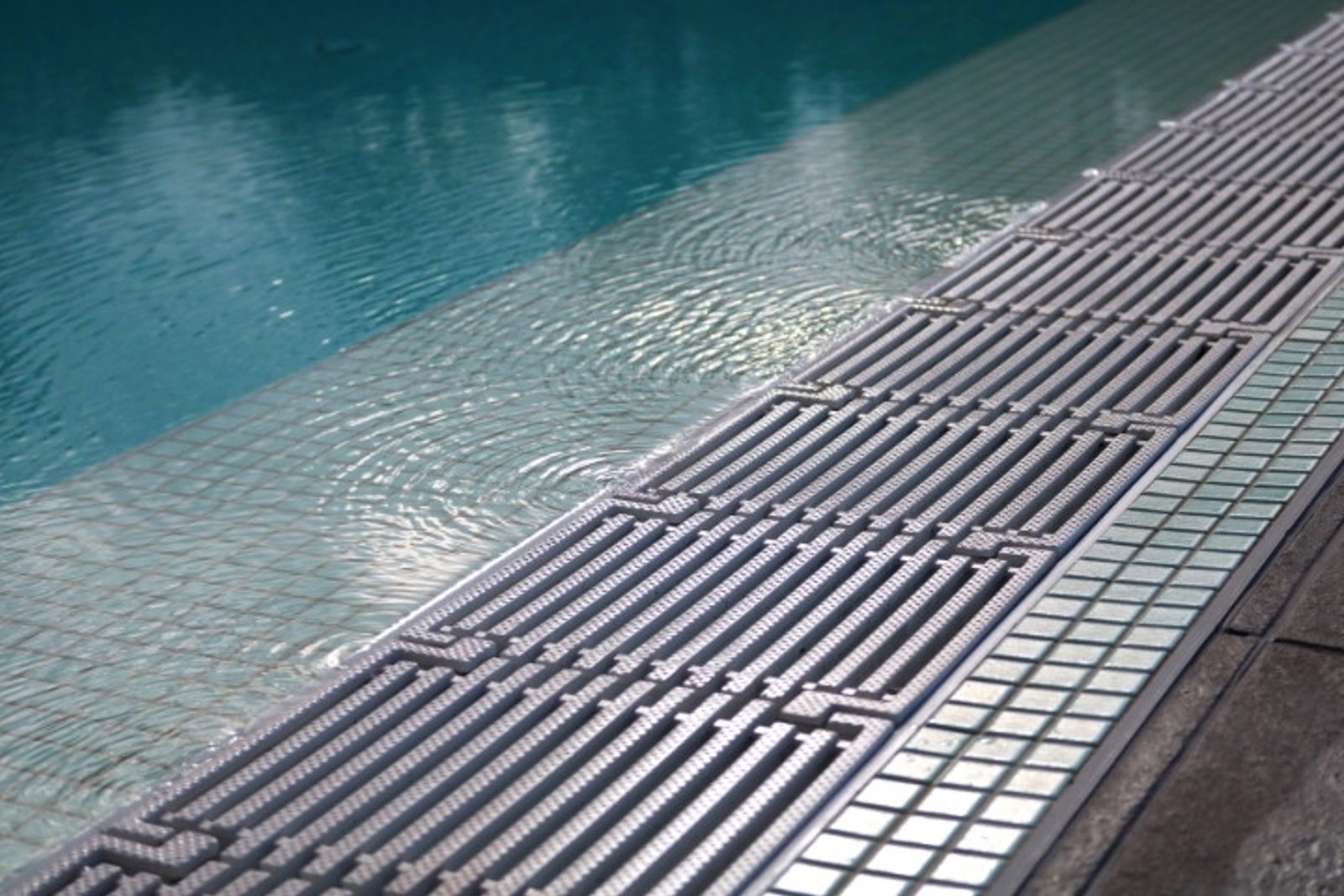
Pool chemistry gets most of the attention when it comes to green water, but pool filtration and pool circulation are just as important and are often overlooked.
Your pool pump and circulation system keep water moving through the filter, which removes particulates and allows sanitizer to distribute evenly throughout the pool. When circulation slows or stops, water in certain areas of the pool becomes stagnant. Stagnant water does not get treated effectively, even when chemical levels in the rest of the pool seem acceptable.
What Inadequate Circulation Looks Like
- Pump runtime is too short to achieve proper water turnover rate (most residential pools should turn over the full water volume at least once every 8 hours)
- Clogged or poorly functioning pool filter, whether a sand filter, cartridge filter, or DE filter, that is not removing debris and particulates efficiently
- Poor return jet positioning that leaves dead zones in corners, steps, or around obstacles
- Algae visibly growing in the corners and on steps first, which is a telltale sign that circulation is not reaching those areas
A pool that is not circulating properly is more vulnerable to algae even when you are adding chemicals consistently. The sanitizer simply cannot get where it needs to go.
Not All Green Pool Water Is Algae
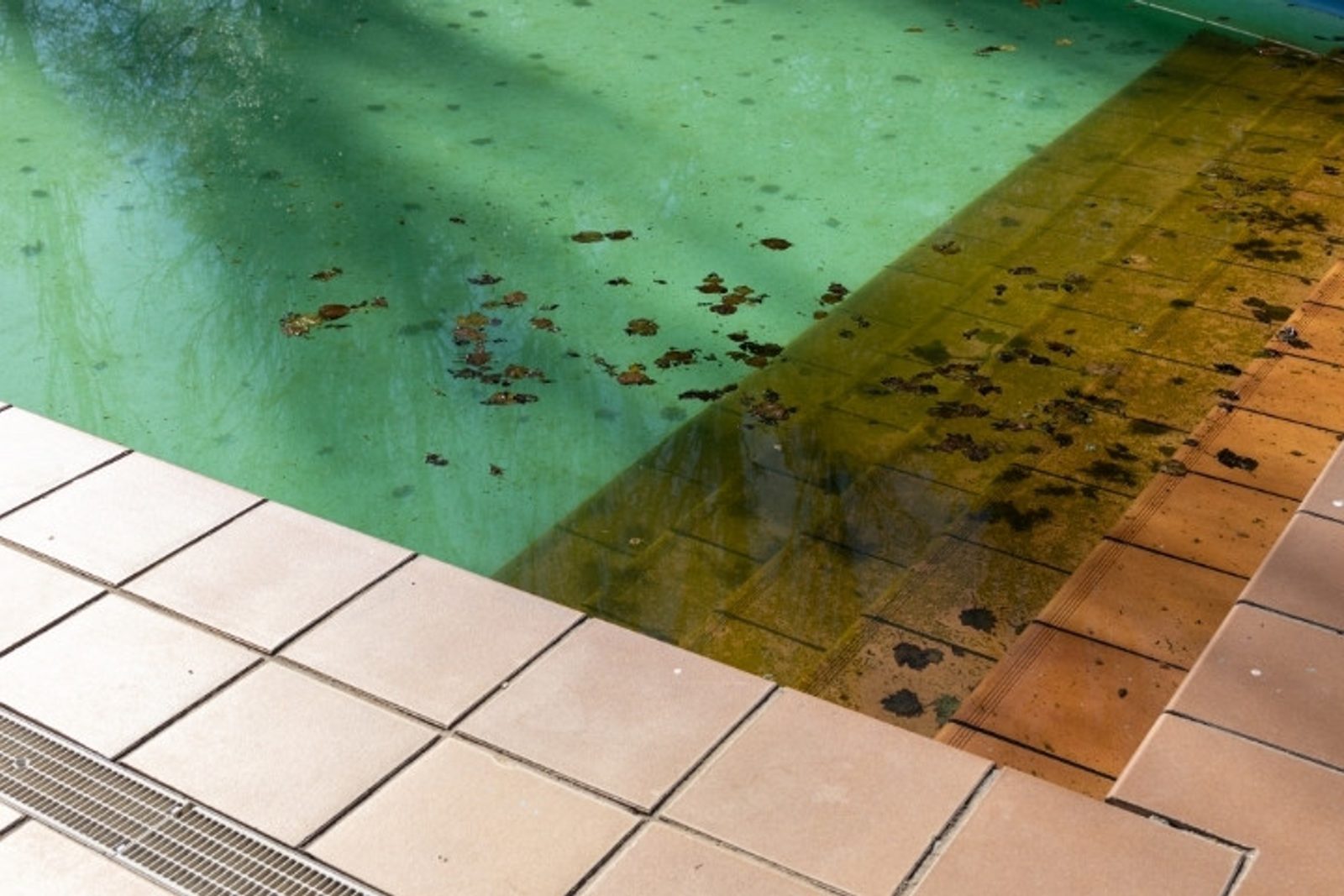
This is an important distinction that many homeowners and even some pool services overlook. In some cases, green or greenish pool water is caused by elevated copper or other metals in the water rather than algae growth.
Copper in pool water can come from several sources: corroded plumbing, certain copper-based algaecides used improperly, or well water that naturally contains elevated metal concentrations. When copper oxidizes in pool water, it can produce a greenish or teal tint that looks similar to early-stage algae.
The key difference is that metal discoloration tends to appear suddenly, often after adding chlorine or adjusting chemistry, and the water may look green but remain clear rather than cloudy. Algae blooms typically produce a murky, hazy, or cloudy pool water appearance as the bloom progresses.
This distinction matters because the treatments are completely different. A pool water test, either using a professional pool test or a quality test kit, can identify whether metals are present. Treating a metal issue with shock treatment or pool algaecide will not solve the problem and may make it worse. Treating an algae issue with a metal sequestrant will also do nothing.
Proper diagnosis before treatment is not optional. It is the difference between solving the problem and wasting time and money.
Understanding the Different Types of Algae
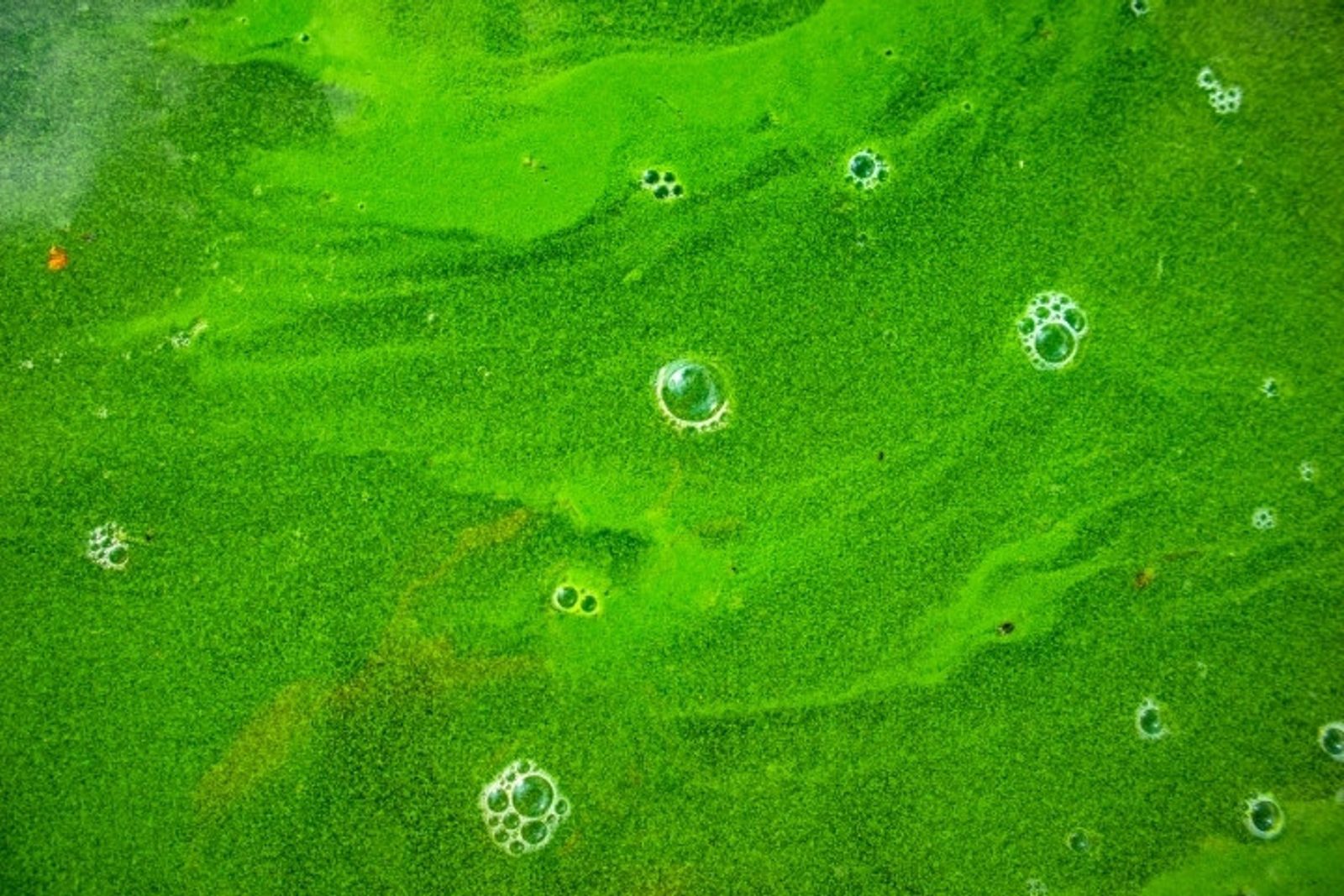
While green algae is the most common cause of green pool water, it helps to understand that not all pool algae behaves the same way:
- Green algae: The most common variety. Turns water green and cloudy. Typically responds well to shock treatment and proper chlorine restoration when caught early.
- Yellow algae (mustard algae): Tends to cling to pool walls and appears yellowish or brownish. More resistant to chlorine than green algae and often requires targeted treatment.
- Black algae: Forms dark spots on pool surfaces and is the hardest to eliminate. It has a protective outer layer that shields it from sanitizer and requires aggressive brushing and treatment.
Knowing which type you are dealing with helps determine the right approach to treatment.
Why Green Pool Water Is Never Random
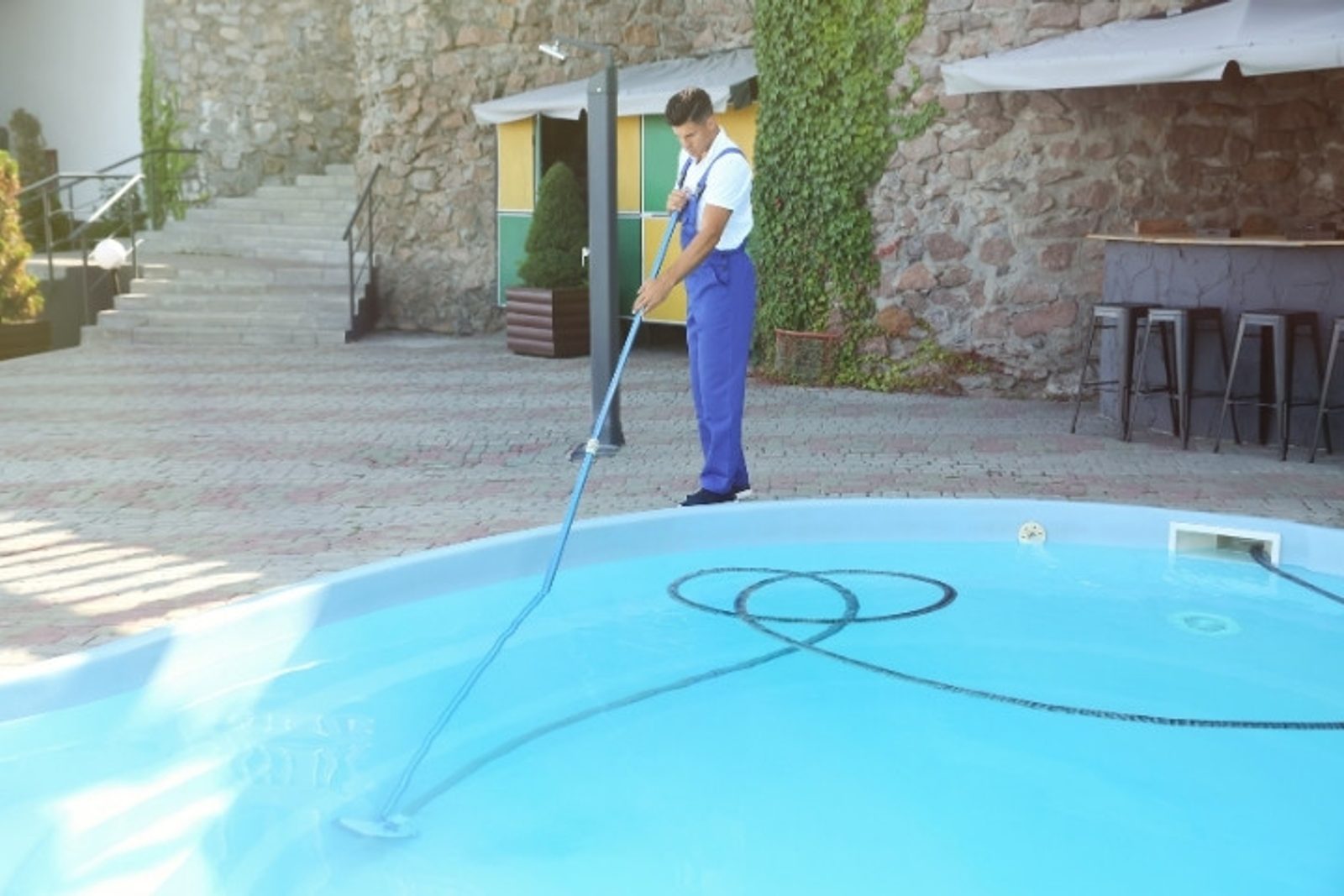
One of the most important takeaways from all of this is that green pool water does not just happen. It is always the result of a breakdown in chemistry, maintenance, circulation, or some combination of the three.
Common breakdowns that lead to a green pool include:
- Chlorine levels that were allowed to fall too low for too long
- pH or total alkalinity drifting out of the acceptable range
- CYA levels that accumulated to the point of neutralizing chlorine effectiveness
- Pump runtime that was reduced or a filter that was due for cleaning
- Post-storm neglect where chemistry was not checked and corrected after heavy rain
- Phosphate levels that crept up over time and were never addressed
Identifying which of these is responsible for your specific situation is what determines the right path to a fix. Pouring shock into a pool without understanding why it turned green in the first place often leads to repeated cycles of the same problem.
What to Do Before You Start Treating

Before reaching for shock treatment, algaecide, or any other product, the right first step is a complete pool water test. A comprehensive test will show you:
- Free chlorine and total chlorine levels
- pH level
- Total alkalinity
- Calcium hardness
- Cyanuric acid (CYA) level
- Phosphate levels
- Presence of copper or other metals
Basic test strips can give you a starting point, but a professional pool test from a local pool supply store or service provider will give you the full picture and help you understand exactly what needs to be corrected before treatment begins.
Let the Pros at GM Outdoor Living, Pool & Spa Help
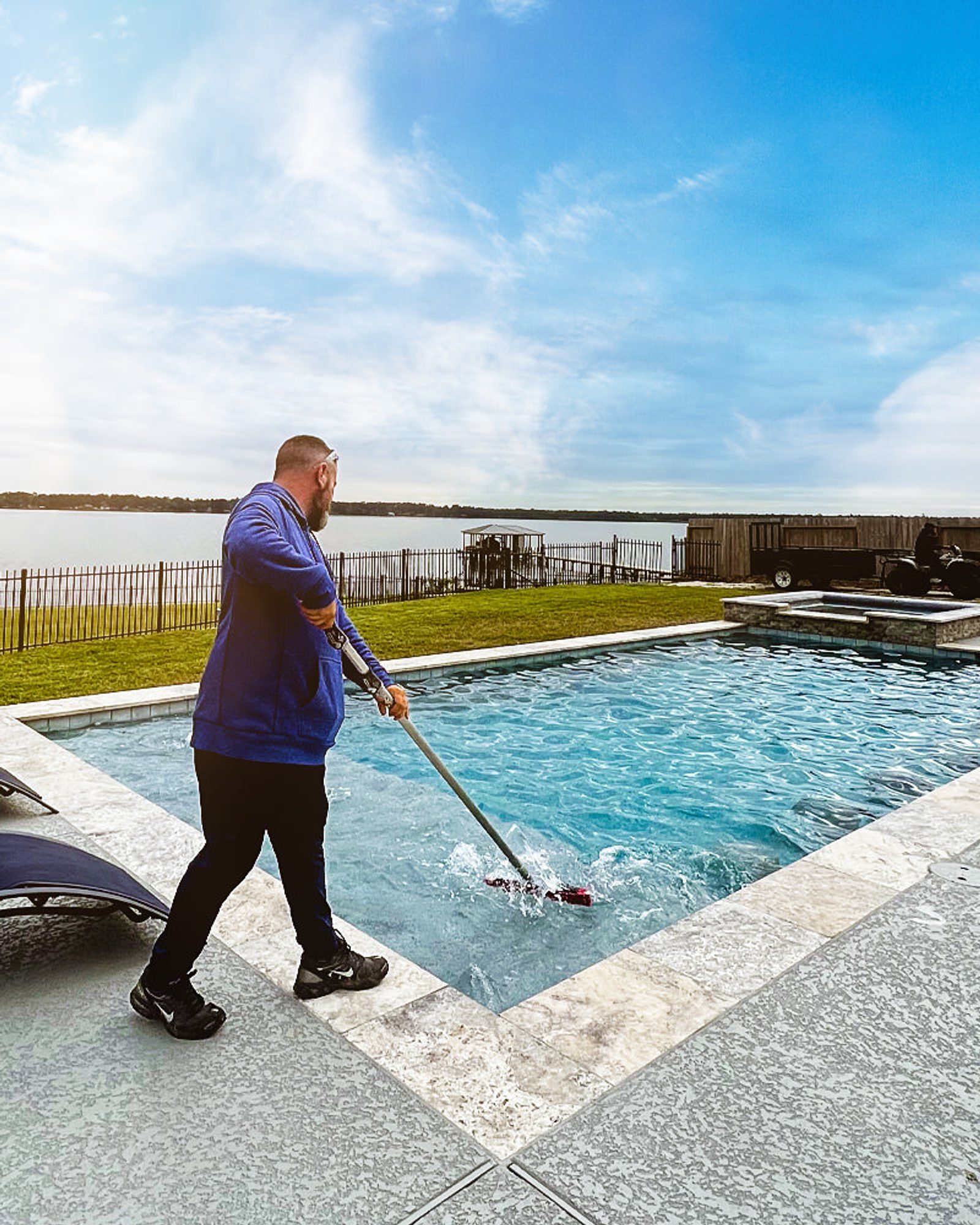
Green pool water is a sign that something in your pool's system needs attention, and getting it right the first time saves you time, money, and frustration. If your pool has turned green and you are not sure where to start, or if you are dealing with recurring green water despite your best efforts, the team at GM Outdoor Living, Pool & Spa is here to help.
Serving homeowners from their Humble and Houston locations, GM Outdoor Living, Pool & Spa brings the expertise to properly diagnose what is causing your green water and create a plan to restore your pool to clean, clear, and safe swimming condition.
Schedule a consultation today and get your pool back to the resort-quality space it was designed to be.
Related Articles

Planning Custom Patio Installation Around Your Pool
Your pool and patio should work as one system. Learn how smart planning prevents drainage problems, hot surfaces, awkward walkways, and costly construction changes.

Atascocita Pool Maintenance Tips Every Owner Needs
Atascocita’s heat, pollen, and storms can turn clear pool water fast. Learn the habits that keep algae, debris, and equipment issues under control.

Common Pool Problems and What's Causing Them
Dealing with cloudy, green, or smelly pool water? Discover the most common pool problems, what causes them, and when to call a pro.